China’s Sunken Lion City - Diving the Lost World Beneath Qiandao Lake
Share This Article
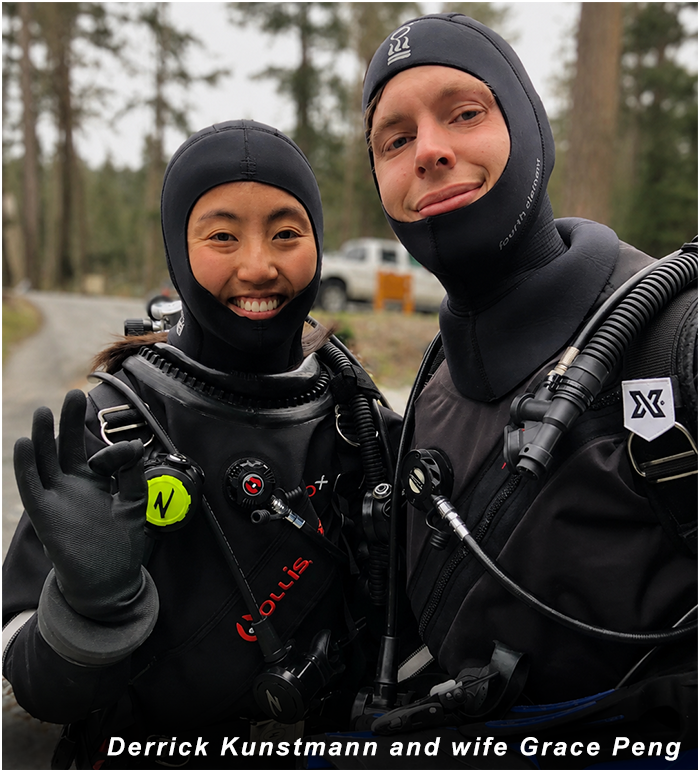
Text and Photography by Derrick Kunstmann
Graphics and Illustrations by Curt Bowen
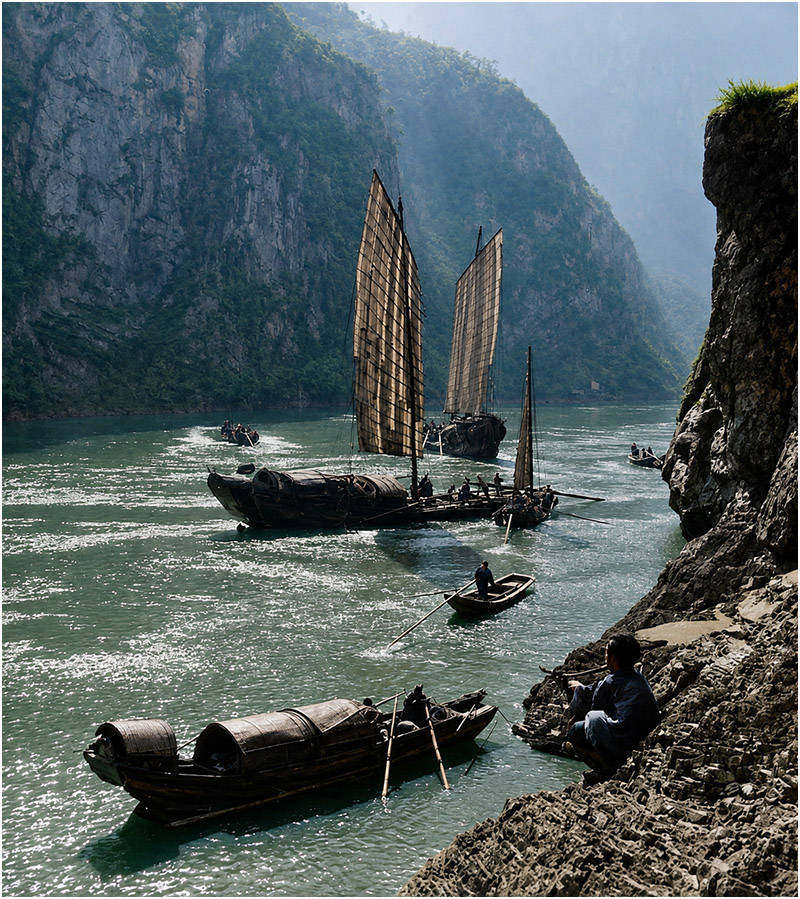
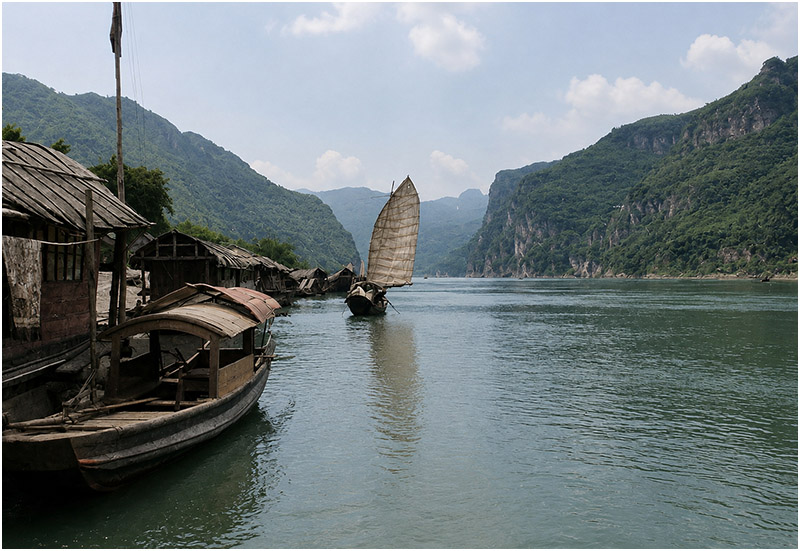
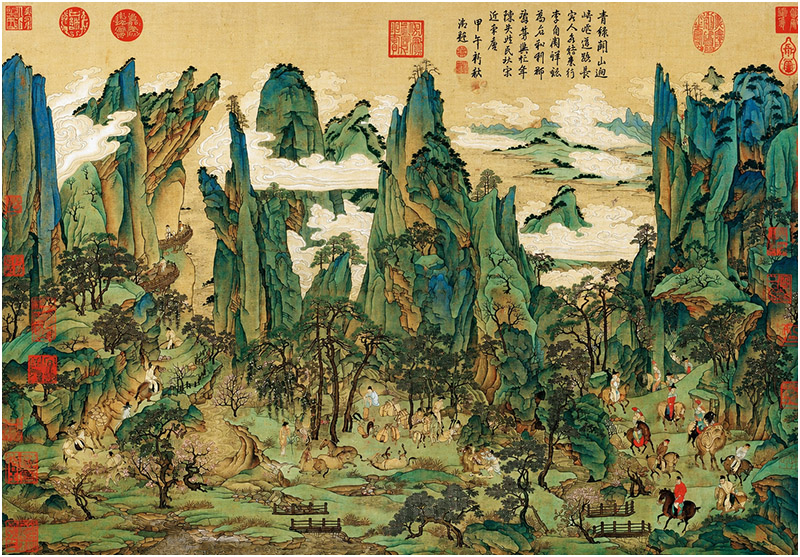
Long before stone walls rose above the valley, the Xin'an River carved through the rugged mountains of western Zhejiang Province. Flowing between forested ridges, it became an important transportation route, carrying people, goods, and ideas through communities otherwise isolated from the wider world.
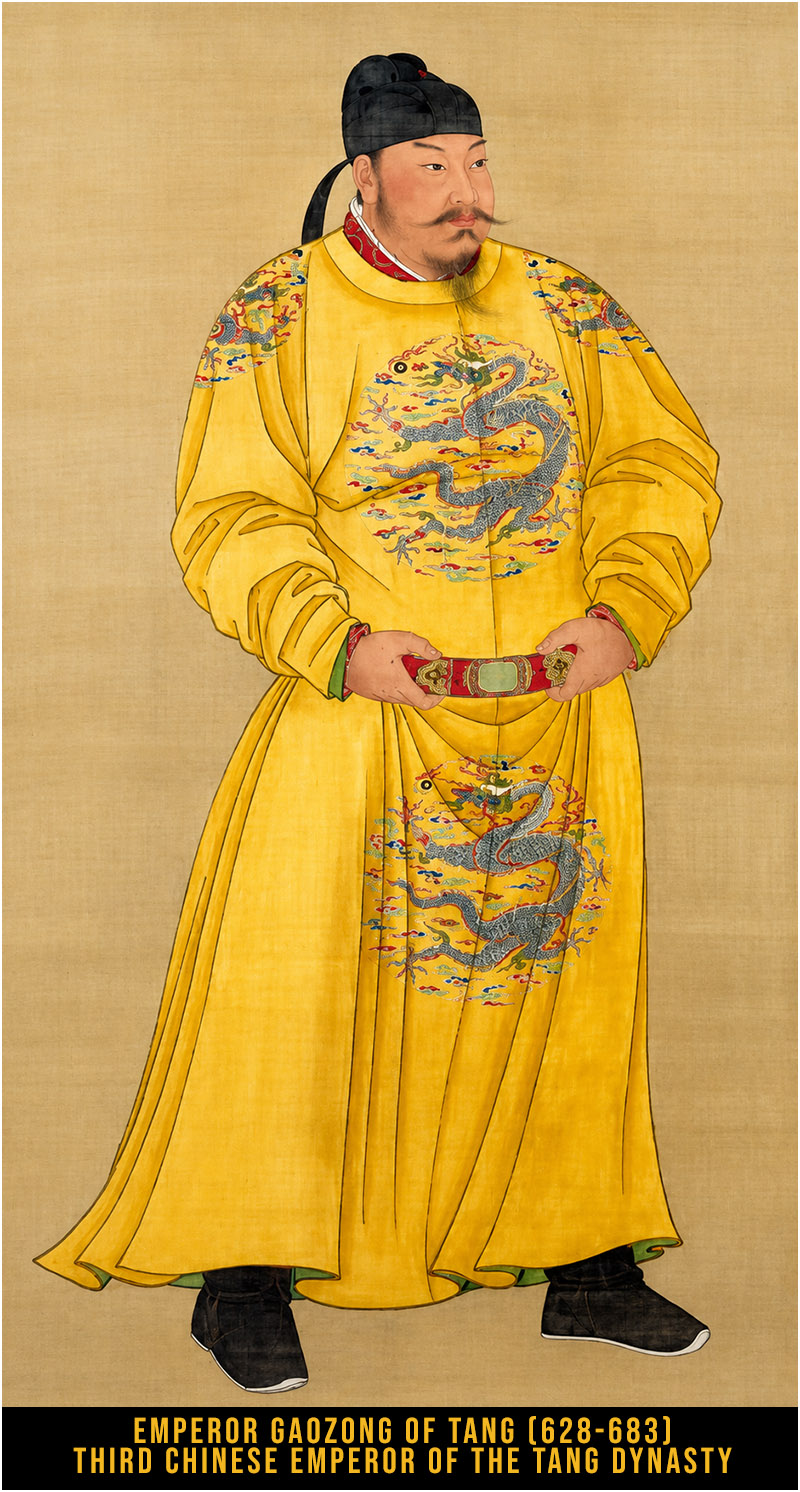
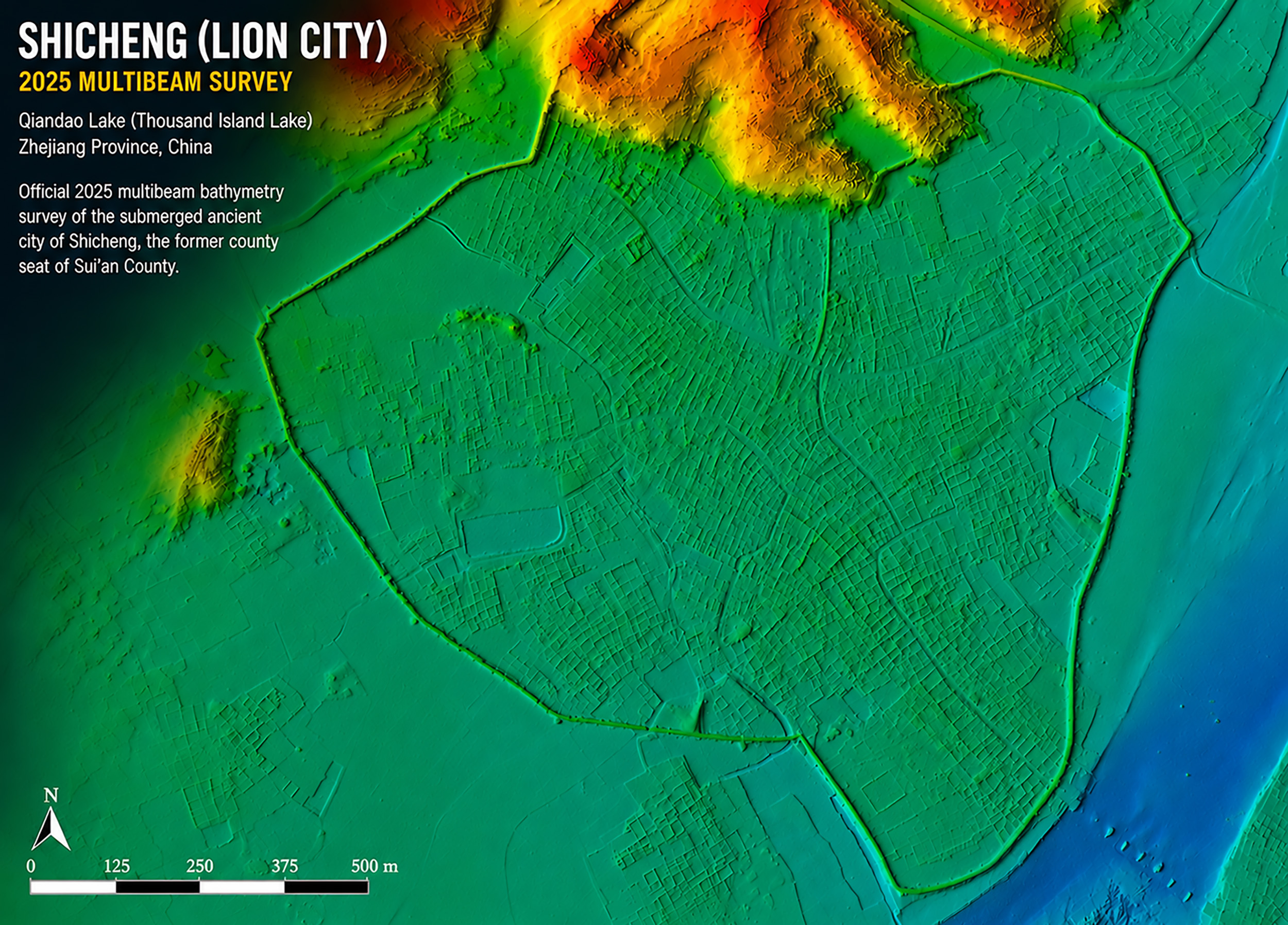
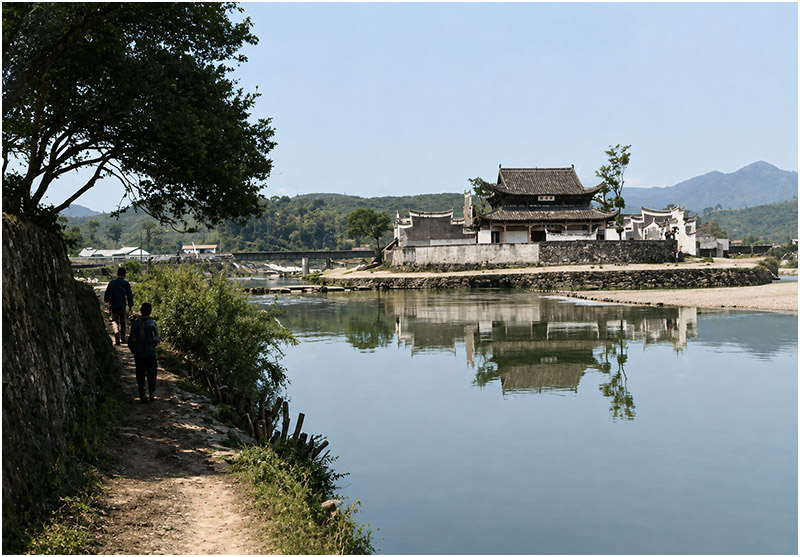
In A.D. 208, during the closing years of the Eastern Han Dynasty, the imperial government established Sui'an County. In A.D. 621, during the early Tang Dynasty, the county seat was relocated beneath Five Lion Mountain, where the walled city of Shicheng—Lion City—developed. Its name came from five nearby peaks said to resemble crouching lions overlooking the valley.
The location offered natural protection, fertile farmland, abundant timber, and access to the Xin'an River. At the city's center stood the county magistrate's offices, surrounded by markets, workshops, temples, schools, warehouses, and homes.
The river drove Shicheng's economy. Farmers brought rice, vegetables, and fruit to market while merchants traded tea, timber, bamboo, paper, medicinal herbs, ceramics, silk, and other goods. Though never one of China's great imperial cities, Shicheng became the administrative, commercial, and cultural heart of the Xin'an River valley.
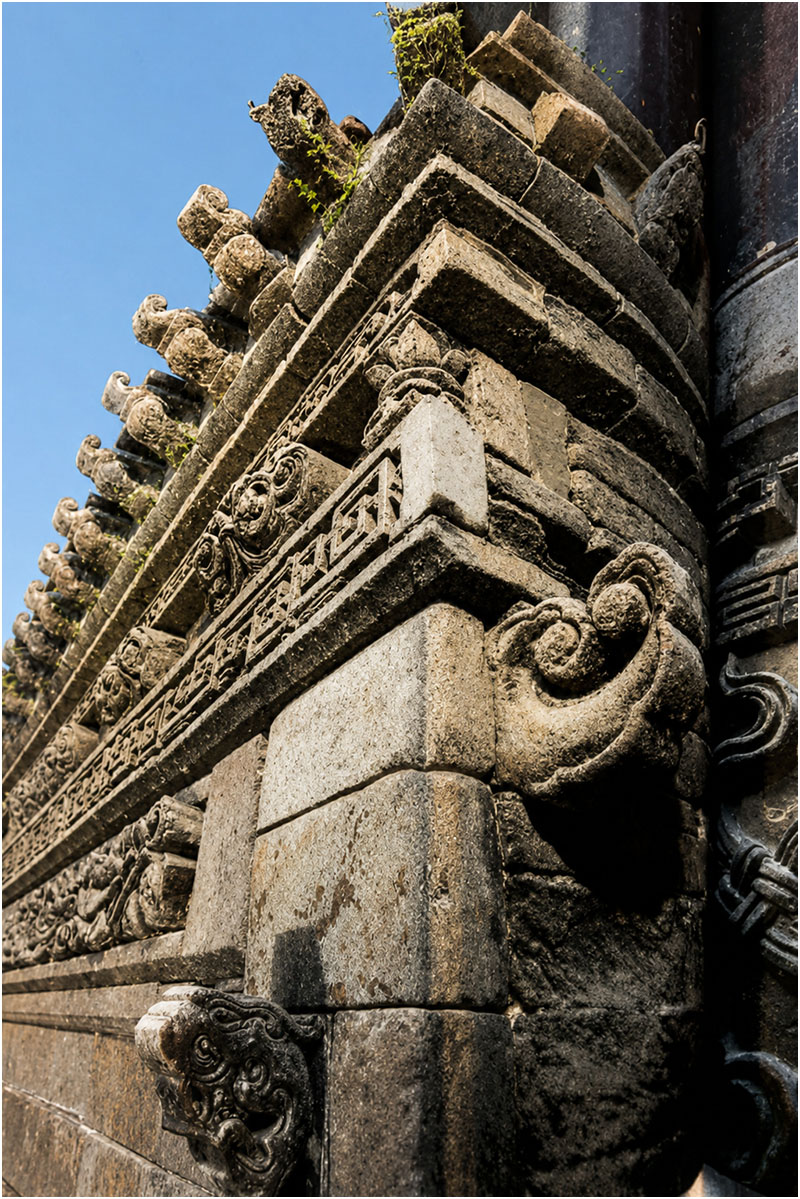
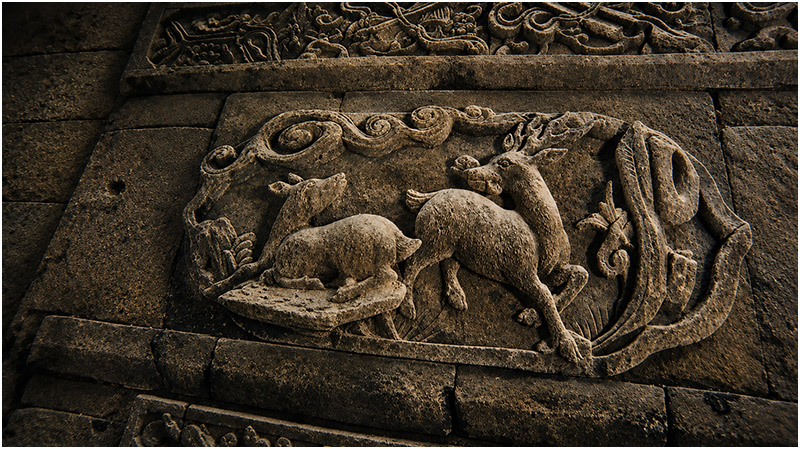
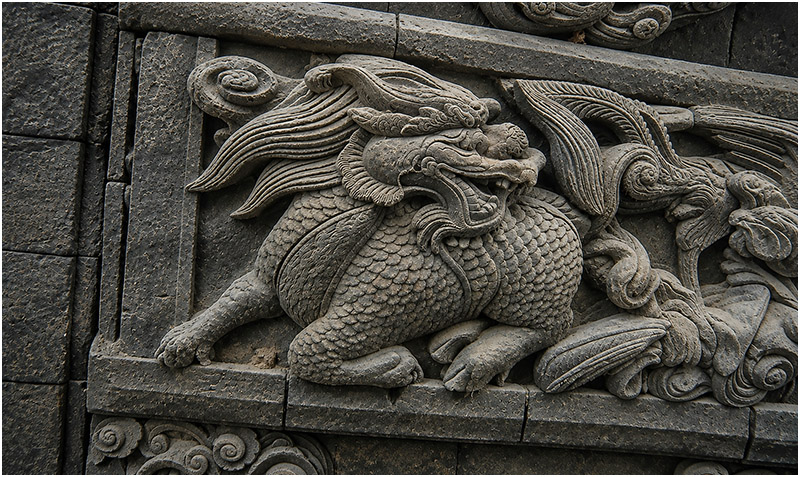
As the city prospered, bridges and temples were improved and merchants and officials built elegant homes. Skilled artisans decorated gateways, ancestral halls, beams, and brackets with elaborate wood and stone carvings—some of which remain preserved beneath Qiandao Lake today.
For more than a millennium, the Xin'an River nourished Shicheng's fields, carried its commerce, and connected its people with the outside world.
After becoming the county seat in A.D. 621, Shicheng grew into the center of Sui'an County. Over the next thirteen centuries, dynasties rose and fell, wars swept across China, and governments changed, yet the city endured.
During the Tang Dynasty (A.D. 618–907), Shicheng's position on the Xin'an River supported expanding regional trade. Tea, timber, bamboo, agricultural products, medicinal herbs, paper, and textiles traveled downstream while merchants, officials, and scholars moved through the valley.
Prosperity brought new government buildings, temples, bridges, and courtyard homes. Craftsmen carved guardian lions, dragons, phoenixes, floral patterns, and scenes from Chinese folklore into stone and timber. Buddhist, Taoist, and Confucian traditions shaped the city's religious, educational, and family life.
Shicheng remained the county seat through the Mongol conquest and Yuan Dynasty. Under the Ming Dynasty, established in 1368, public buildings were renovated and elaborate architecture flourished. In 1513, substantial defensive walls were constructed around the city and later expanded and repaired.
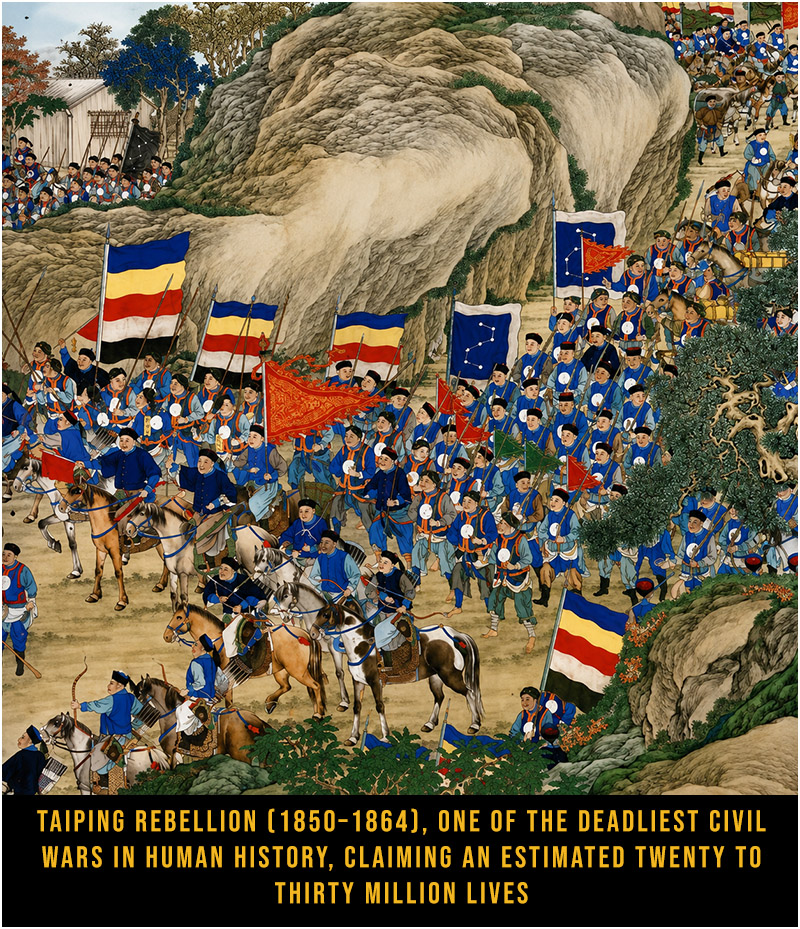
The Taiping Rebellion (1850–1864) brought widespread destruction. Fighting during the Qing Dynasty's Xianfeng era destroyed Shicheng's government compound and other public buildings, but the city recovered and government offices were rebuilt in 1868.
The Qing Dynasty collapsed in 1912, ending more than two thousand years of imperial rule. Despite political instability and the later Second Sino-Japanese War, Shicheng retained much of its historic architecture.
By the mid-twentieth century, Ming and Qing buildings, temples, ancestral halls, government offices, and stone streets reflected more than thirteen centuries of occupation. Lion City had survived dynastic change, rebellion, revolution, and war.
Its greatest transformation would come from the river that had sustained it.
By the early twentieth century, life in Shicheng still revolved around the Xin'an River. Each morning shopkeepers opened their wooden storefronts as tea merchants, pharmacies, cloth dealers, blacksmiths, restaurants, inns, grain merchants, and family businesses prepared for the day.
By the mid-twentieth century, approximately 5,000 people lived within the city. Families had occupied the same homes for generations, honoring ancestors in family halls, celebrating traditional festivals, and sending children along streets their grandparents had known.
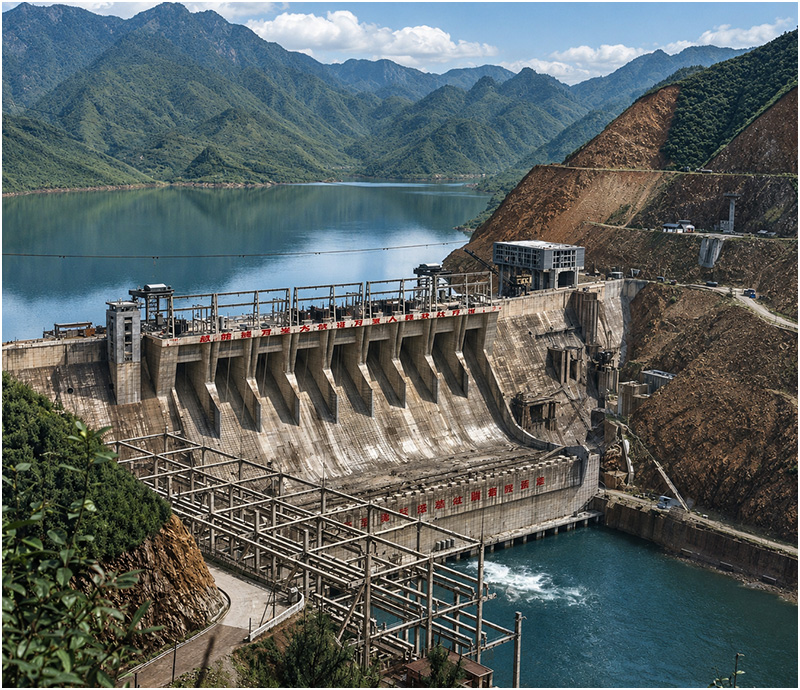
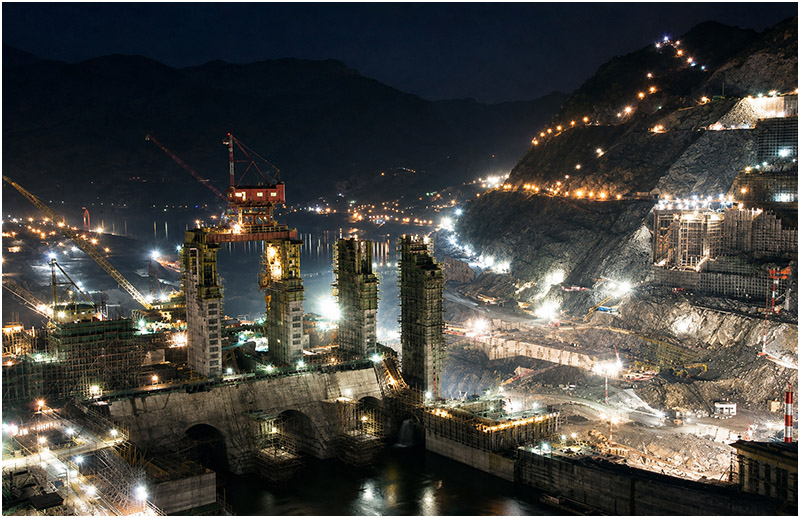
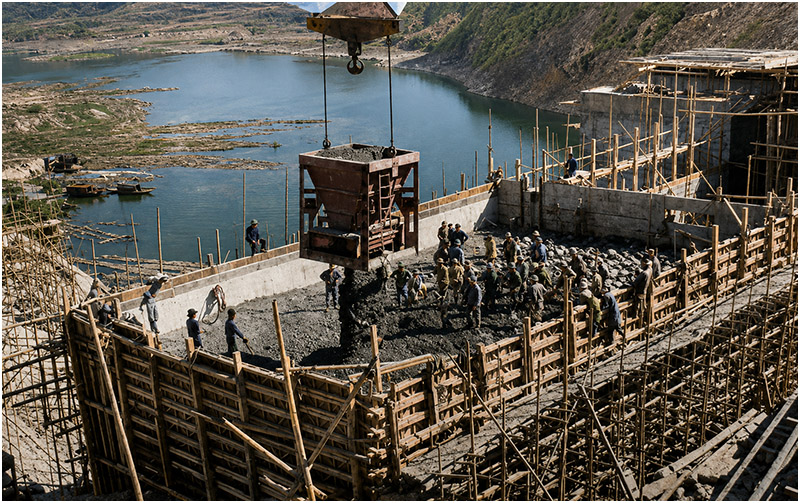
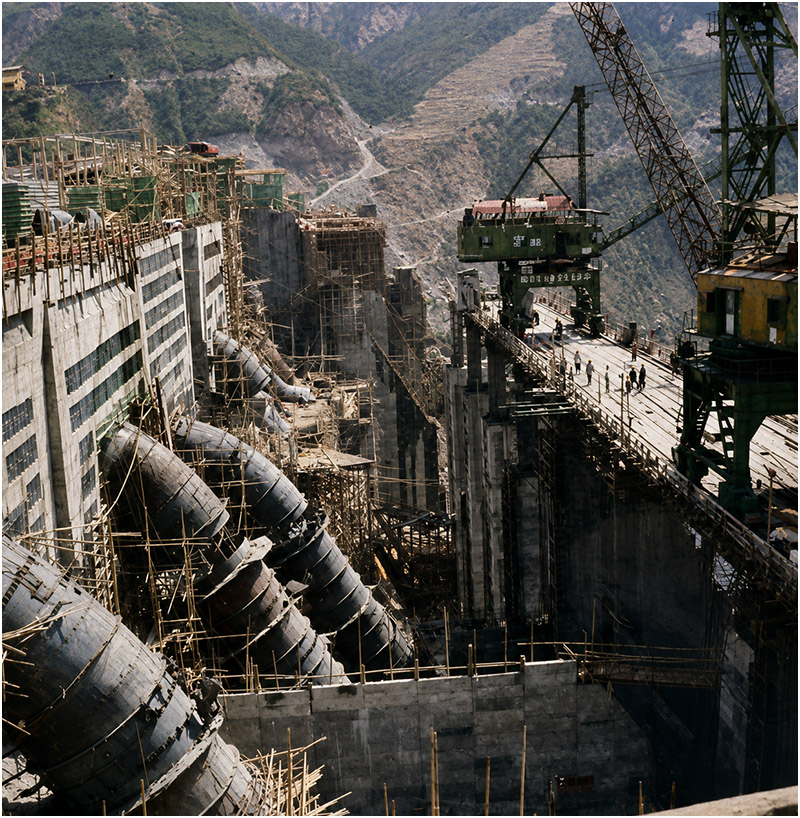
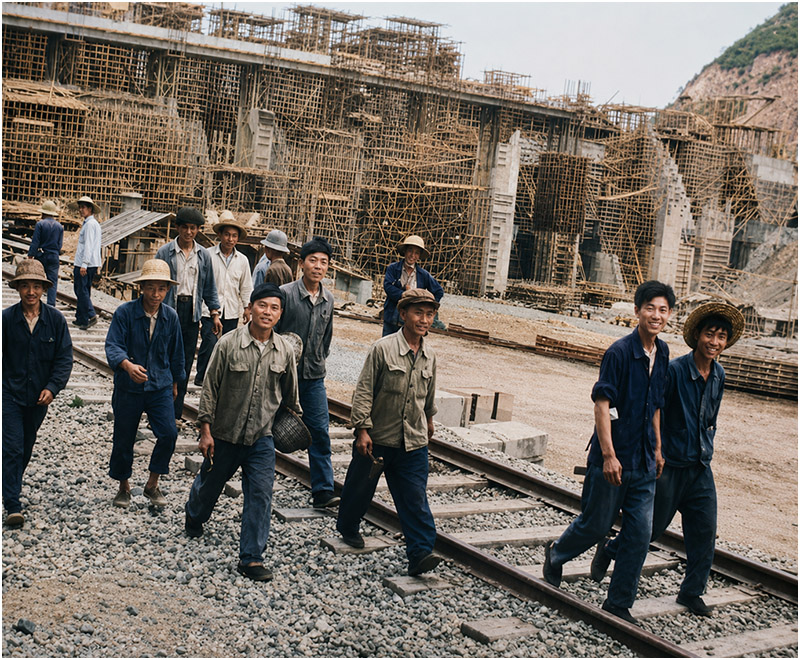
By the early 1950s, engineers and surveyors began appearing throughout the valley. The central government was planning a massive hydroelectric project on the Xin'an River to generate electricity for a rapidly modernizing nation.
As the project advanced, officials recorded homes, businesses, farmland, and public buildings. Residents learned that Shicheng and communities throughout the valley would be abandoned and submerged beneath a new reservoir.
Approximately 290,000 people would eventually be resettled. Families packed possessions, business records, heirlooms, and ancestral tablets while government offices and services prepared to move to higher ground.
Until the final stages of relocation, Shicheng continued much as it had for centuries. Markets opened, children attended school, and merchants served their customers beneath carved wooden eaves.
After more than thirteen centuries, Lion City's life as an inhabited county seat was ending.
By 1959, construction of the Xin'an River Hydroelectric Project was nearing completion. Families throughout Sui'an and Chun'an counties were relocated to new communities on higher ground. Doors, windows, timbers, and some architectural elements were salvaged, but Shicheng itself could not be moved.
On September 21, 1959, the final diversion tunnel at the Xin'an River Dam was closed and water began backing into the valley.
Fields, orchards, tea plantations, rice paddies, roads, bridges, homes, temples, schools, and ancestral halls gradually disappeared beneath the expanding reservoir.
Eventually, the water reached Lion City.
It entered through the gates and spread across stone streets, marketplaces, temple courtyards, homes, and government buildings. Shicheng was not demolished or destroyed; it was simply abandoned and inundated. Today its ruins lie approximately 26 to 40 meters (85 to 130 feet) below the surface, depending on seasonal lake levels.
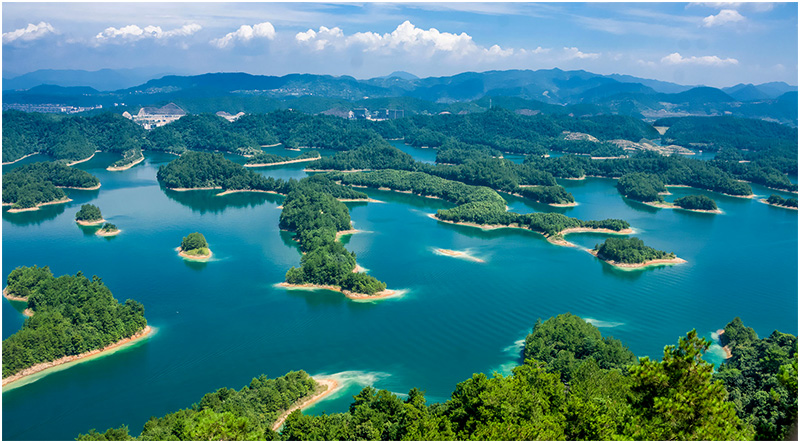
The transformation was enormous. Approximately 290,000 people were relocated as two ancient county seats and more than 1,300 villages disappeared beneath the reservoir. Historical accounts differ in how affected towns and townships are classified, citing figures including 27 towns and 49 townships. About 1,078 former hilltops remained above water, becoming the forested islands that gave Qiandao Lake—Thousand Island Lake—its name.
The reservoir also submerged roads, bridges, farmland, irrigation systems, orchards, tea plantations, and ancestral cemeteries, covering an entire cultural landscape.
Ironically, the water that erased Lion City from the surface also helped preserve it. Cool, dark freshwater protected timber, stone carvings, streets, gateways, temples, and homes from many forms of surface weathering.
For decades, Shicheng remained hidden beneath the lake. Beginning in the early twenty-first century, archaeological surveys and exploratory dives revealed how remarkably well much of the ancient city had survived.
More than thirteen centuries after Lion City was founded beneath Five Lion Mountain, divers could once again enter its gates and travel streets that had disappeared beneath the waters of Qiandao Lake.
Text and Photography by Derrick Kunstmann
Hidden just over four hours by train from Shanghai Pudong Airport lies Qiandao Lake, a vast reservoir covering 580 square kilometers (224 square miles). Its name translates to "Lake of One Thousand Islands," inspired by the countless forested islands scattered across its surface.
But hidden beneath Qiandao Lake's surface are some of the world's finest dives for those interested in Chinese culture and history. Twenty to thirty-five meters (66 to 115 feet) below the surface lie the remains of Shicheng, more commonly known as Lion City. This sprawling city was founded in A.D. 621 during the Tang Dynasty and served as the county seat of Sui'an County for more than 1,300 years, becoming the political, economic, cultural, and transportation center of the region until A.D. 1959. That year, the Chinese government flooded the valley to create the reservoir seen today. Unfortunately, the majority of the city's buildings were deliberately dismantled before inundation. A handful of remarkable structures, however, survived beneath the rising waters. These surviving buildings remained hidden for nearly fifty years until A.D. 2006, when Leigh Chen, owner of Big Blue Shanghai, rediscovered them. Here is his firsthand account of that exploration.
"Back in 2006, I first heard from a friend about an ancient submerged city in Qiandao Lake called Shicheng (Lion City). Intrigued, I drove from Shanghai with a few friends to dive the site, guided by a local fisherman. Although we had the GPS coordinates for Shicheng, strong winds and waves that day made it impossible for the boat to hold position accurately. So, we decided to try a free dive first—just to see what was down there.
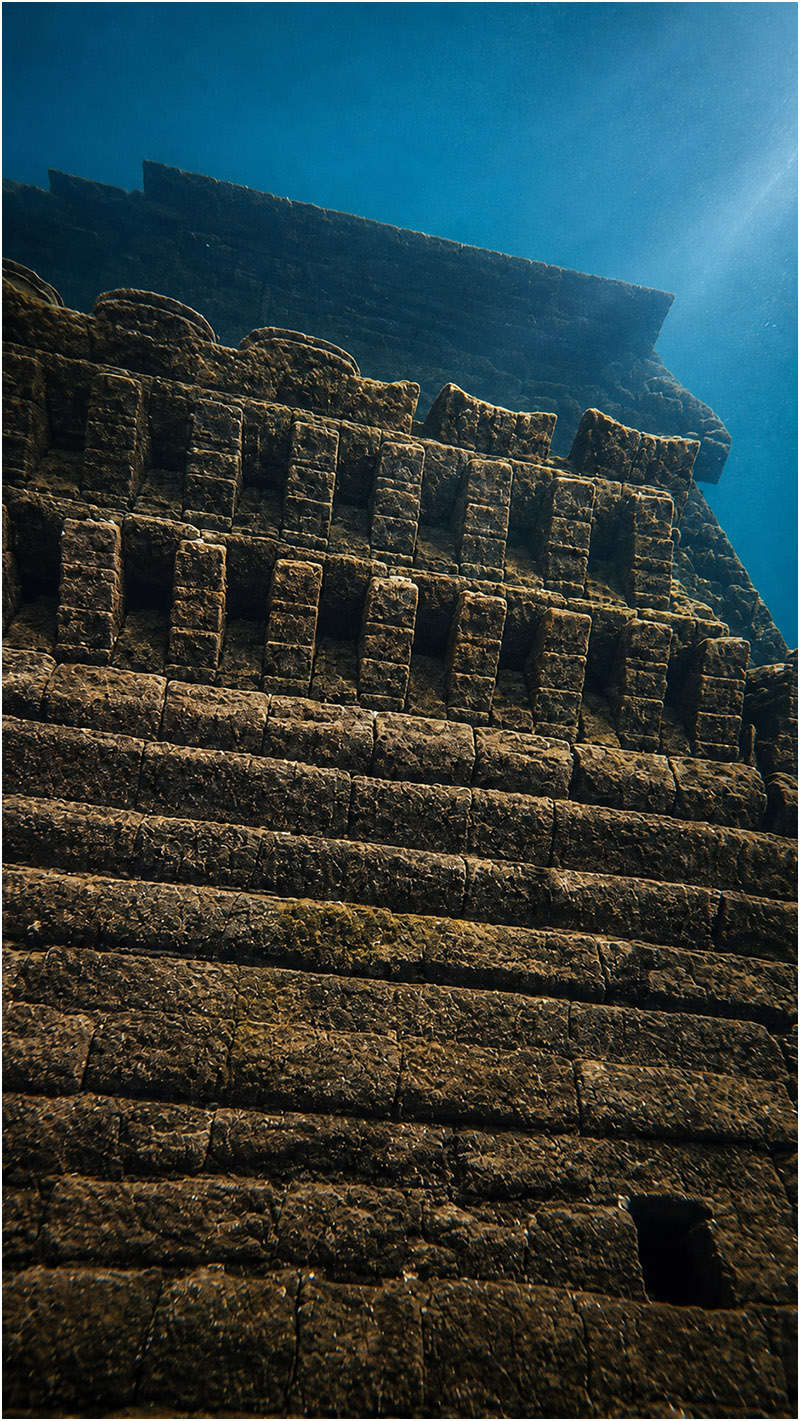
Above: One of the few brick buildings still standing within the submerged village rises almost intact from the lakebed at an estimated depth of 18–22 meters (60–72 feet). Constructed from traditional fired bricks with projecting decorative courses beneath the roofline, the structure has survived remarkably well despite decades underwater. Its intact walls offer a rare glimpse into the architectural character of the valley's later residential and commercial buildings.
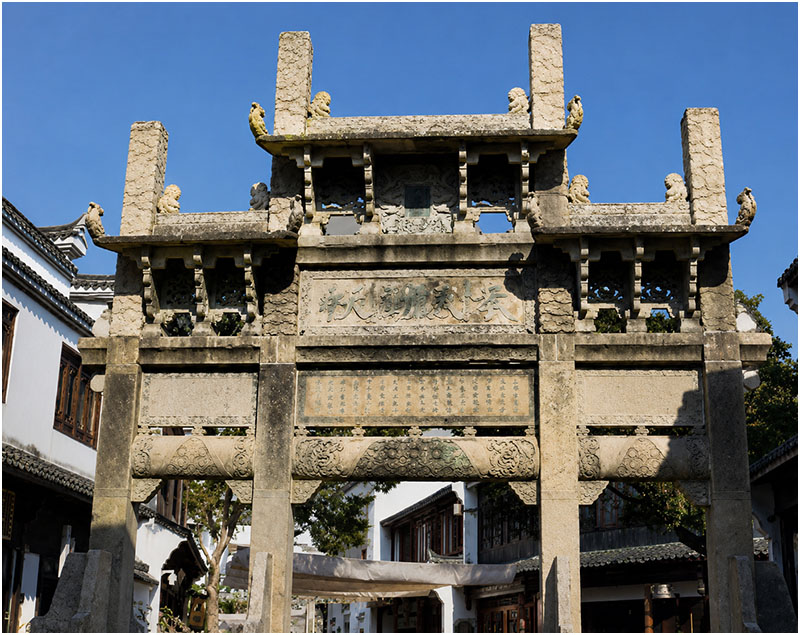
To our surprise, we instantly spotted a stone paifang (memorial archway) on our very first descent: about 6–7 meters (20–23 feet) tall and 5 meters (16 feet) wide, with exquisite carvings still intact. After exploring around it, we hoped to find rows of houses—but saw nothing else that day, and subsequent dives, hampered by Qiandao Lake's low visibility, yielded no further discoveries.
Over the next year, we made more than ten dives in the area but never saw that arch again and began questioning the accuracy of the GPS coordinates. Eventually, after reconfirming the location with our friend, we committed to a two-week systematic search, diving from the GPS point and swimming in straight lines at 5-degree intervals. On the fourth day, we finally located Shicheng's city wall. We deployed an SMB there, and from then on all subsequent dives started from that marker, leading us to discover the Jieshao Fang (Chastity Arch) and other ruins."
Today, with these ancient remains thoroughly charted, Leigh and his team at Big Blue facilitate regular diving expeditions to the submerged ruins—the very place where our weekend of exploration first took root.
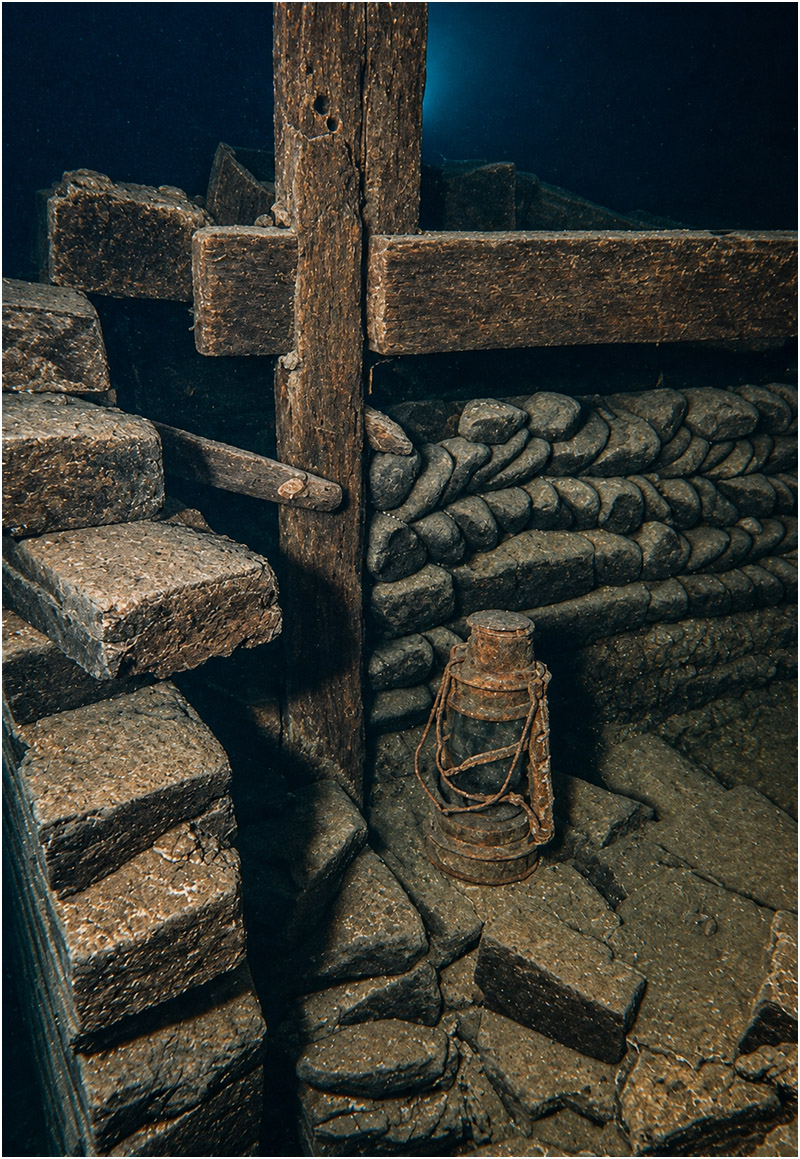
Above: An abandoned kerosene lantern rests undisturbed on the stone floor of a submerged village building, providing a poignant reminder of the lives abruptly displaced when the Xin'an River valley was flooded in 1959. Discovered during the expedition's first day of diving at an estimated depth of 18–22 meters (60–72 feet), the lantern remains where it was left more than six decades ago, surrounded by collapsed roof tiles and timber framing that once formed part of a family's home.
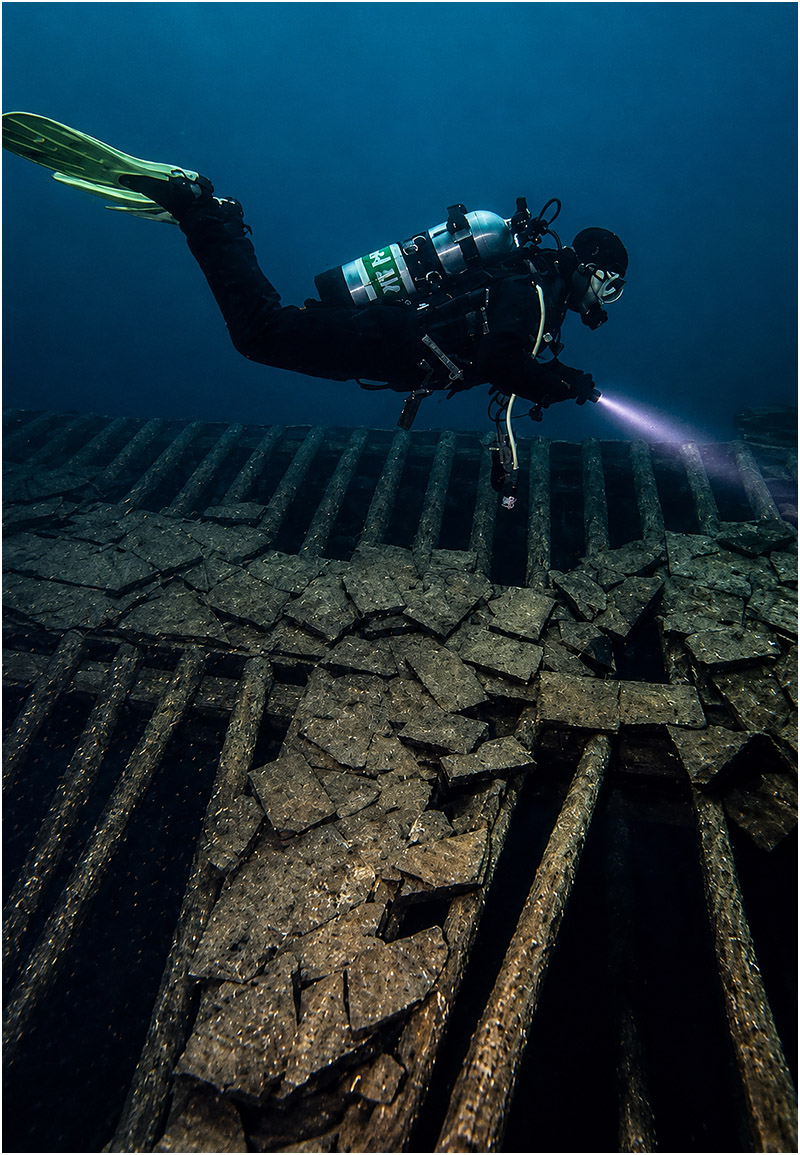
We arrived at Qiandao Lake in late March. At 8:00 a.m., Leigh picked us up at our hotel for our first dive. Our first dive was a check dive in 13°C (55°F) water. After fitting our trilaminate drysuits, replacing wrist and neck seals, and analyzing our nitrox cylinders, we headed to the boat to begin our underwater adventure into Lion City.
Our check dive took place in the bay beside the dive shop. After a two-minute ride to the end of the bay, we descended the goby-covered sandy slope to 13 meters (43 feet), where we followed an underwater berm to our turnaround point. A small ornamental plaque sits here, its weathered inscription in an ancient local dialect recounting a farmer's family history. From the plaque, we returned to the dive shop to discuss the real reason we had come to Qiandao Lake—the ruins.
After our surface interval, we loaded the boat once more and headed ten minutes away to a submerged village where two afternoon dives would take place. This village lies 20 to 30 meters (66 to 98 feet) below the surface and consists of the ruins of stone and wooden structures, along with several remarkably intact wooden buildings, including residential homes and halls dating from the late Ming and Qing dynasties.
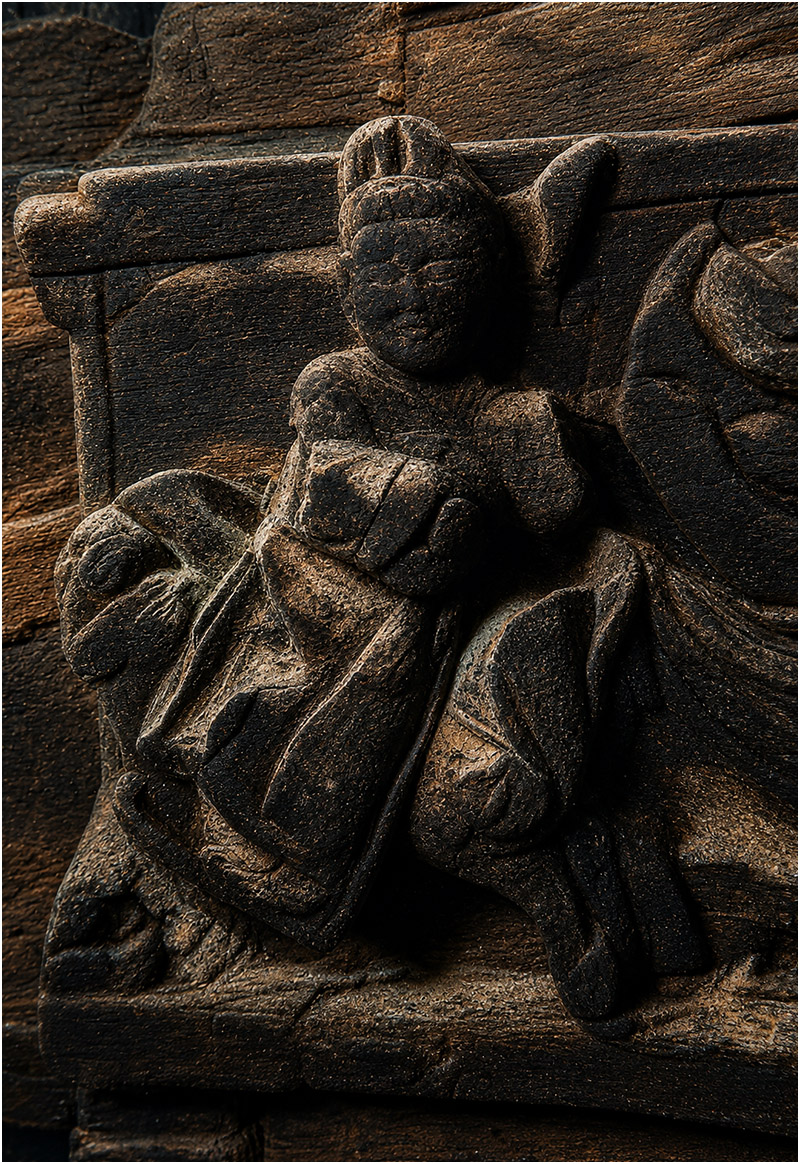
Above: A finely sculpted monk adorns the Chastity Archway, one of Shicheng's most elaborate ceremonial monuments, now resting at an estimated depth of 26–28 meters (85–92 feet).
The first dive focused on the village's Ancestral Hall. The hall is a large two-story wooden structure with its entrance adorned by stone plaques. Big Blue has installed a convenient guideline from the surface to the rooftops below, where the Ancestral Hall rests at 28 meters (92 feet). Diving these ruins requires precise finning, as many of the weathered wooden carvings, both inside and out, are extremely fragile. We entered through the main doorway and took in the massive wooden beams supporting the upper floor. Intricately carved wooden lions crowned each pillar as though they had guarded the hall for centuries. Moving single-file, we slowly ascended to the second floor, admiring the carvings before exiting through a hole in the roof. As we finned back toward the surface, we watched the crumbling ruins disappear into the silty water below, all of us in awe of the remarkable history we had just explored.
The second dive took us back into the village to the House of Xin, the most intact residence in the area, with all four walls and its silt-covered ceiling still in place. Approaching the home at a depth of 22 meters (72 feet), we examined the intricate wooden carvings surrounding the entrance before entering the enclosed room. Inside, space was tight and light was scarce, making constant awareness of our position and our dive buddies' locations critical. Near the ceiling, we found even more elaborate carvings before leaving the building to explore the surrounding village. Throughout the site, collapsed stone walls, scattered clay roof tiles, and everyday artifacts—including lanterns and grinding wheels—provided a vivid sense that this had once been a thriving, lived-in community. As our no-decompression limits began to run short, we returned to the guideline and ascended to the surface to rest and prepare for day two.
On day two, we returned to the dive shop for a quick briefing before departing farther into the reservoir. It was a one-hour boat ride to the center of the lake, where hundreds of forested islands stretched in every direction. Spirits were high as we took in the scenery, eager to return to the water.
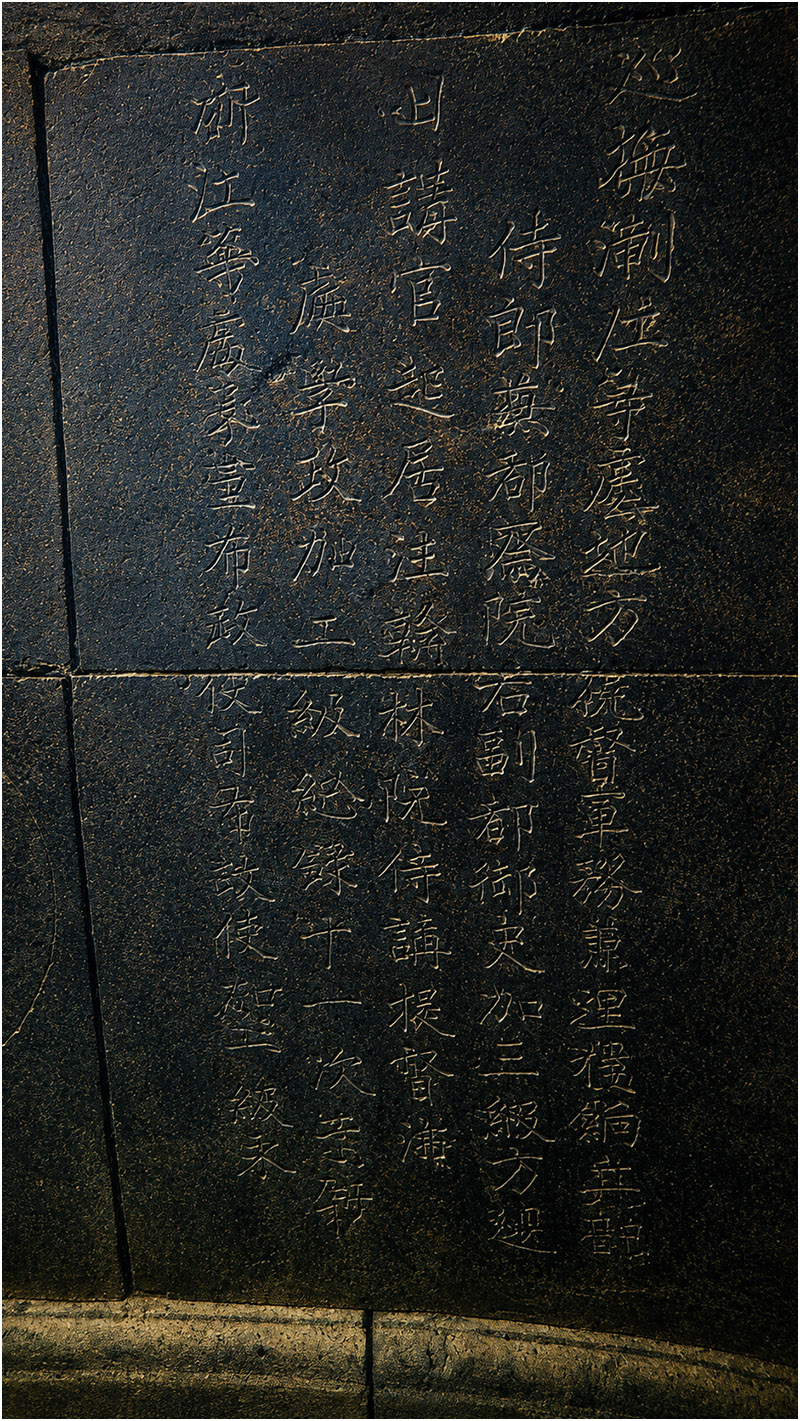
Above: The dedication inscription on the Honor Bridge records the names and official titles of the county magistrates, assistant magistrates, patrol inspectors, and Confucian educators responsible for the bridge's construction or restoration. More than six decades after the valley was flooded, the deeply carved characters remain remarkably legible beneath 31–33 meters (102–108 feet) of water, preserving an invaluable record of Shicheng's civic administration.
Here we dived from one of the islands where the Honor Bridge and Chastity Archway dive sites are located. Both sites are accessed from the same guideline. Tied to a tree on shore, the line descends a steep slope to 32 meters (105 feet). At that depth, nitrogen narcosis was noticeable, and the team maintained tight positioning and communication throughout the dive. Visibility was no more than 2 meters (6.5 feet), requiring high-powered dive lights to penetrate the cold, murky water.
Starting with Honor Bridge, we approached the top of the structure and immediately noticed its intricate stone carvings, all covered by a thick layer of silt deposited since previous divers had visited. Standing nearly 5 meters (16 feet) high with its base disappearing into the silty bottom, the bridge seemed to emerge from complete darkness. We slowly circled and passed beneath the span, admiring carvings of warriors, horses, and other animals, along with finely carved inscriptions recording the names and titles of local officials. Looking up at the massive stone blocks supporting the bridge overhead, I was struck by the engineering skill and craftsmanship of the people who built it centuries ago. With our no-decompression limits quickly disappearing, we reluctantly returned to the guideline and ascended to prepare for our final dive of the weekend.
The final dive to the Chastity Arch was another deep descent into the darkness. Resting at 28 meters (92 feet) in just 2 meters (6.5 feet) of visibility, the arch was built to honor a local widow who remained unmarried after her husband's death. The monument is richly decorated with intricate carvings and inscriptions along its length. Here we also witnessed the scars of looting. Several carved human figures had been deliberately damaged, their heads broken away by thieves hoping to sell them on the antiquities market. It was a sobering reminder of how fortunate we were to experience these fragile archaeological sites, which may not survive intact for future generations. Eventually, it was time to ascend the steep slope back to the boat, bringing to a close one of the most unique dive destinations we have ever explored.
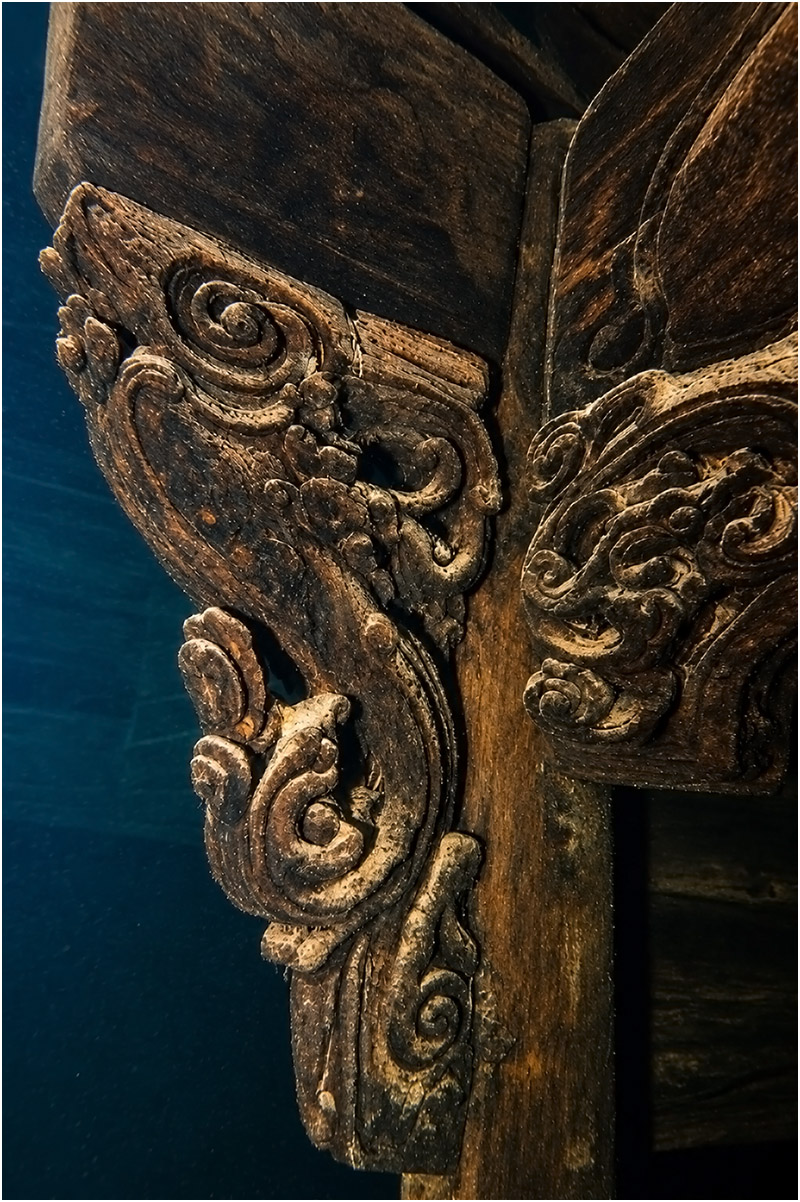
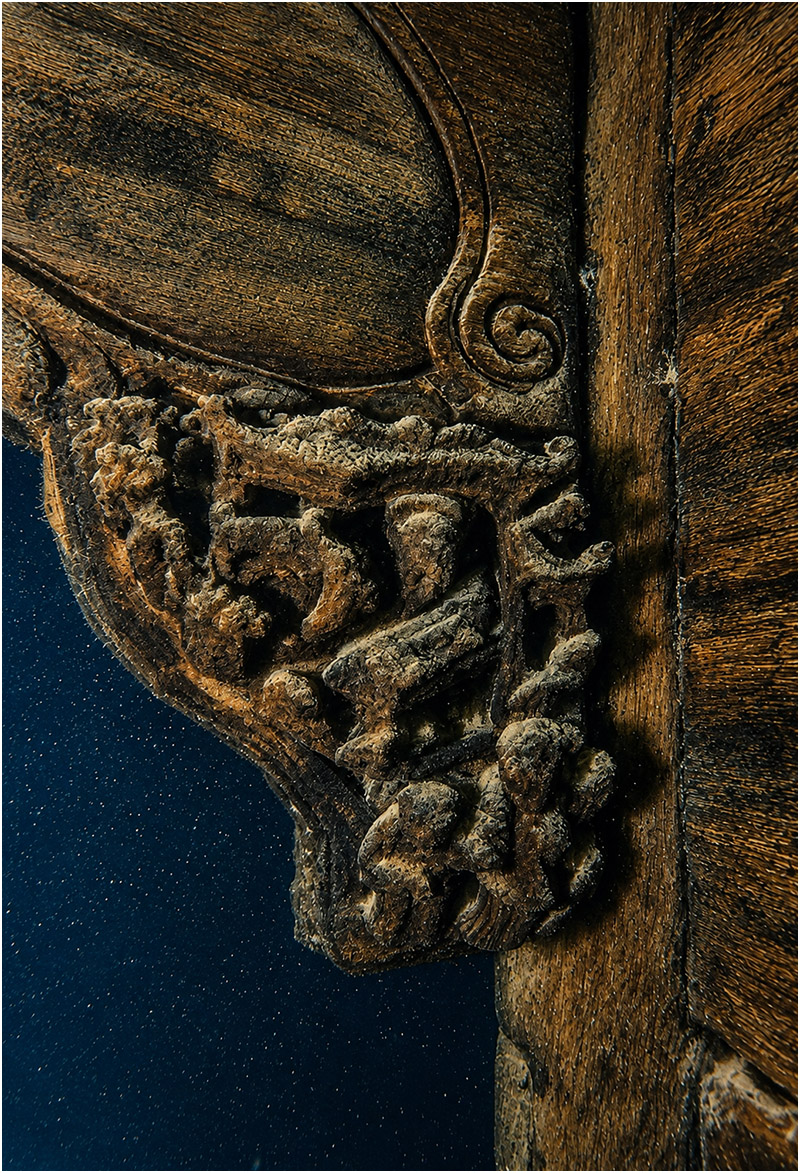
Above: Decorative wooden bracket carving preserved within the Shicheng Ancestral Hall at a depth of 26 meters (85 feet). Despite more than six decades beneath the waters of Qiandao Lake, the finely carved timber retains remarkable detail, illustrating the exceptional craftsmanship of Qing Dynasty artisans.
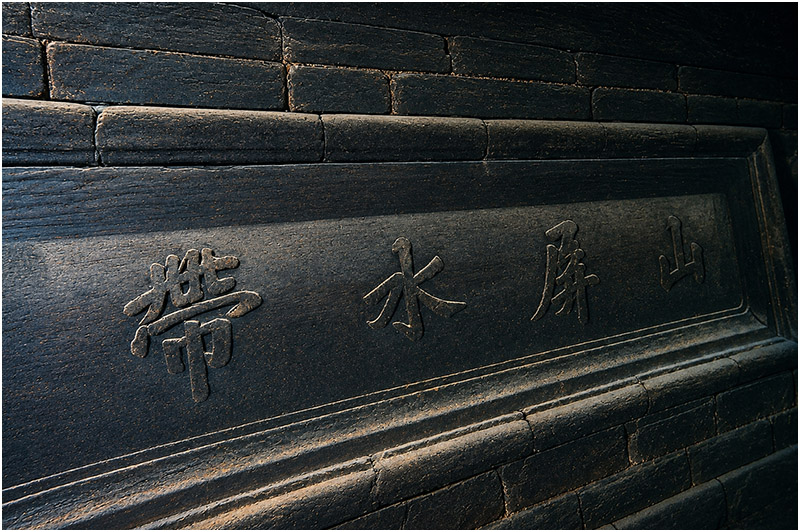
Above: An inscribed stone plaque remains embedded within the Chastity Archway, its carved Chinese characters still crisp after decades beneath the waters of Qiandao Lake. Located at an estimated depth of 18–22 meters (60–72 feet), the inscription reflects the importance of written calligraphy in traditional Chinese monumental architecture, where commemorative plaques honored virtue, family lineage, or significant local achievements.
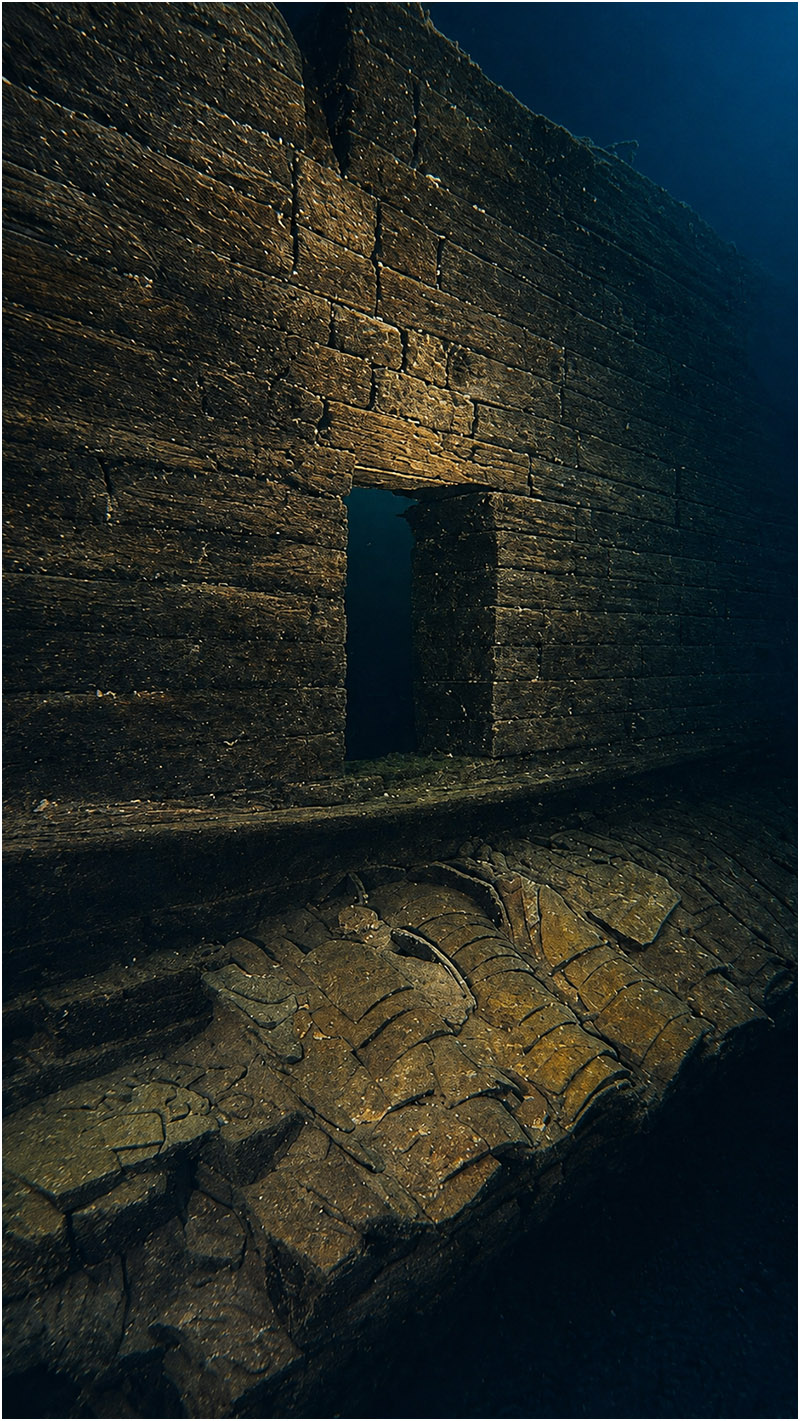
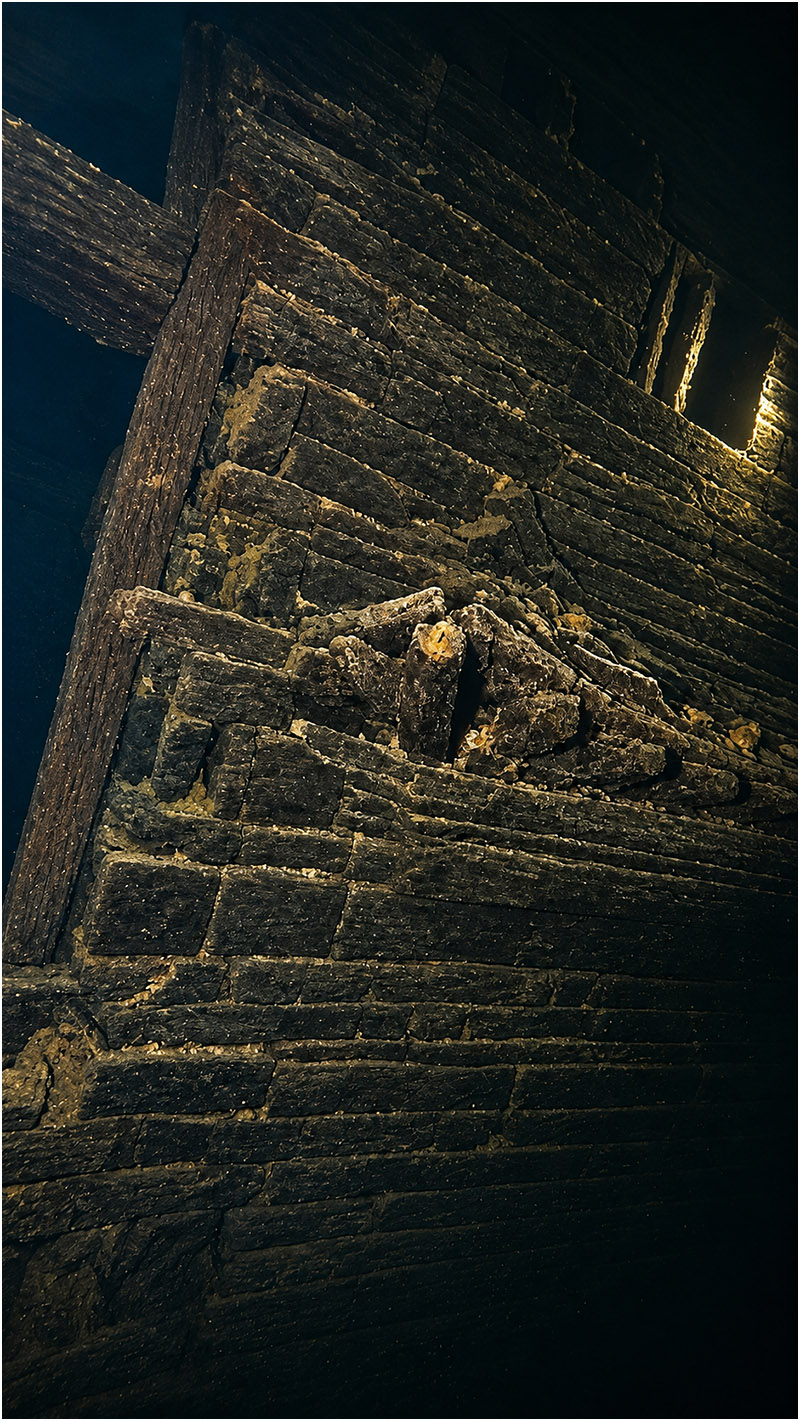
Above: The brick walls and doorway of another residence remain standing above a blanket of collapsed clay roof tiles, preserving a remarkably intact glimpse of traditional Huizhou architecture beneath 18–22 meters (59–72 feet) of water. As the waters of the newly formed Qiandao Lake slowly rose in 1959, many roofs failed in place, leaving their hand-fired shingles scattered across the original timber framework. The exceptional preservation of the brick masonry, timber lintel, and roofing materials offers archaeologists and divers a rare opportunity to study the construction methods of a Chinese city frozen in time.
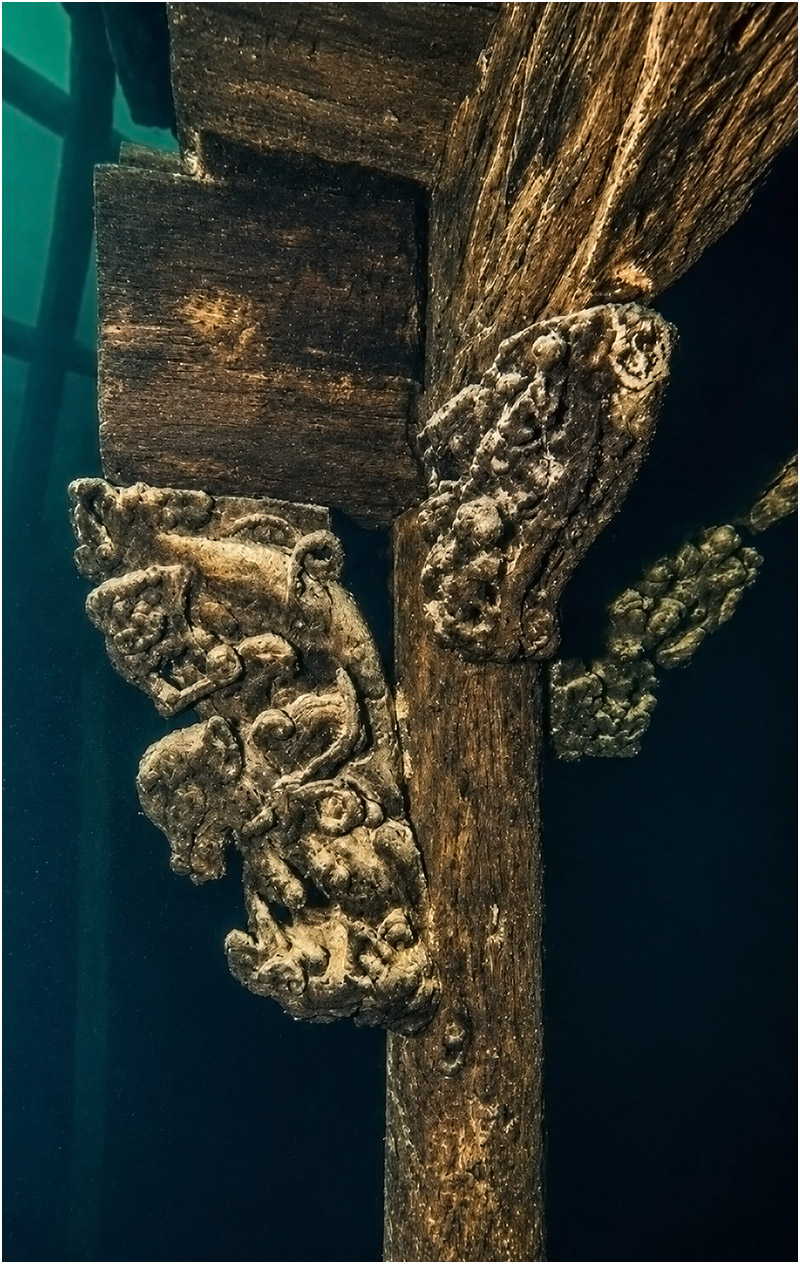
Above: A carved wooden guardian lion decorates a structural bracket on the House of Xin at a depth of 19–20 meters (62–66 feet). Symbolizing protection and good fortune, the intricate carving remains remarkably well preserved, offering a rare glimpse of the artistry that once adorned Shicheng's finest homes.
Above: Human figures carved into an ornate timber support inside the Shicheng Ancestral Hall reveal the symbolic storytelling woven into traditional Chinese architecture.
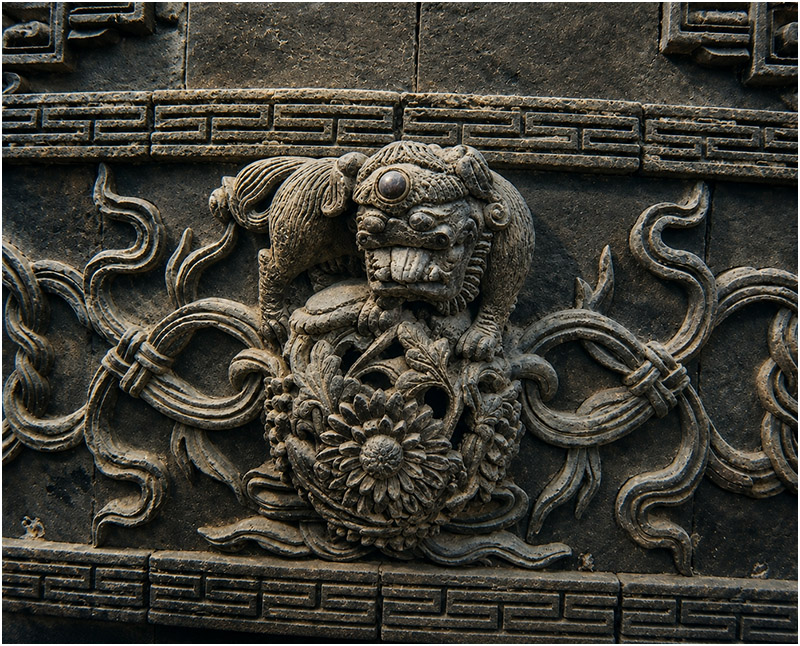
Above: A guardian lion carved from a single piece of timber decorates a structural bracket on the House of Xin, resting at a depth of 19–20 meters (62–66 feet). In traditional Chinese architecture, guardian lions symbolized protection, strength, and prosperity, serving as both decorative and spiritual sentinels.
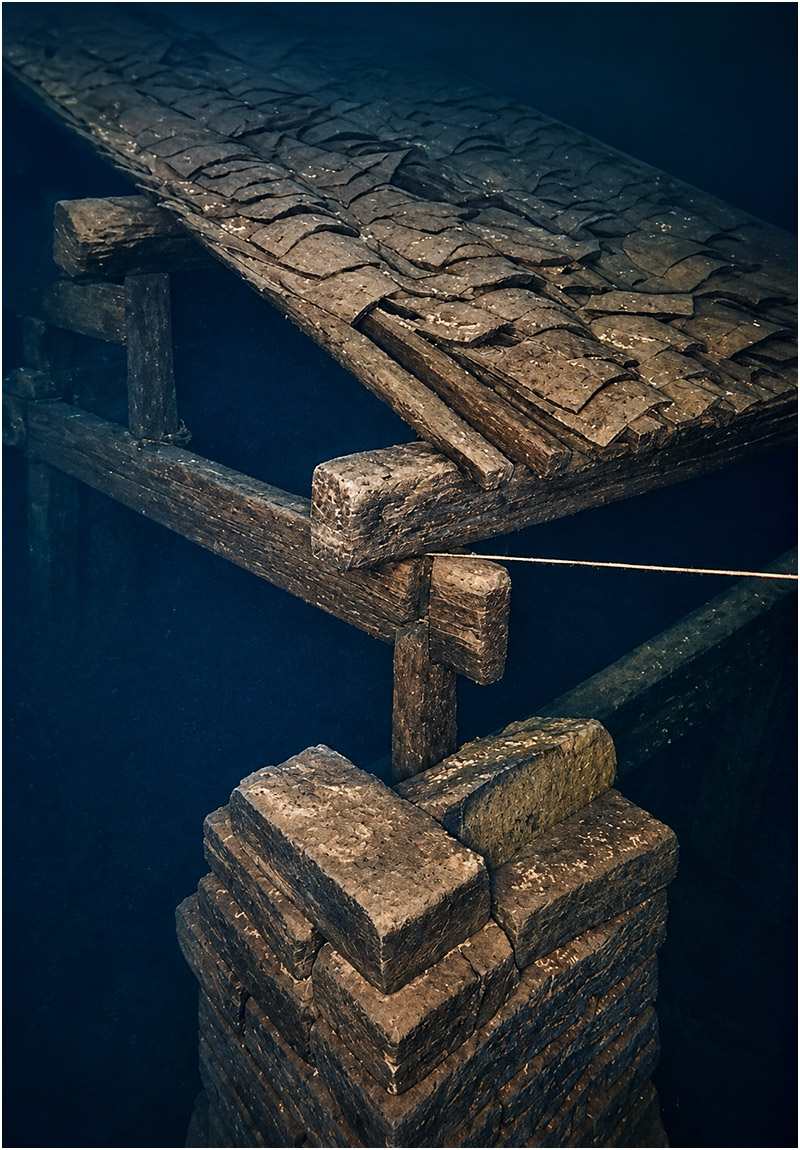
Above: A permanent diver guideline stretches beneath the preserved timber roof of an ancient village building at a depth of 16–18 meters (52–59 feet), providing a safe navigation route through Shicheng's maze of submerged streets and structures. The remarkably intact timber framework, hand-hewn beams, and overlapping clay roof tiles illustrate the durability of traditional Huizhou construction techniques, while the guideline marks the careful balance between modern exploration and the preservation of one of China's best-preserved underwater archaeological sites.
Above: The brick walls of a residence in Shicheng's submerged village remain remarkably intact at a depth of 18–23 meters (59–75 feet), preserving the craftsmanship of traditional Huizhou architecture. Constructed with tightly laid fired bricks and massive timber framing, homes like this lined the city's narrow streets for generations before the Xin'an River valley was inundated in 1959.
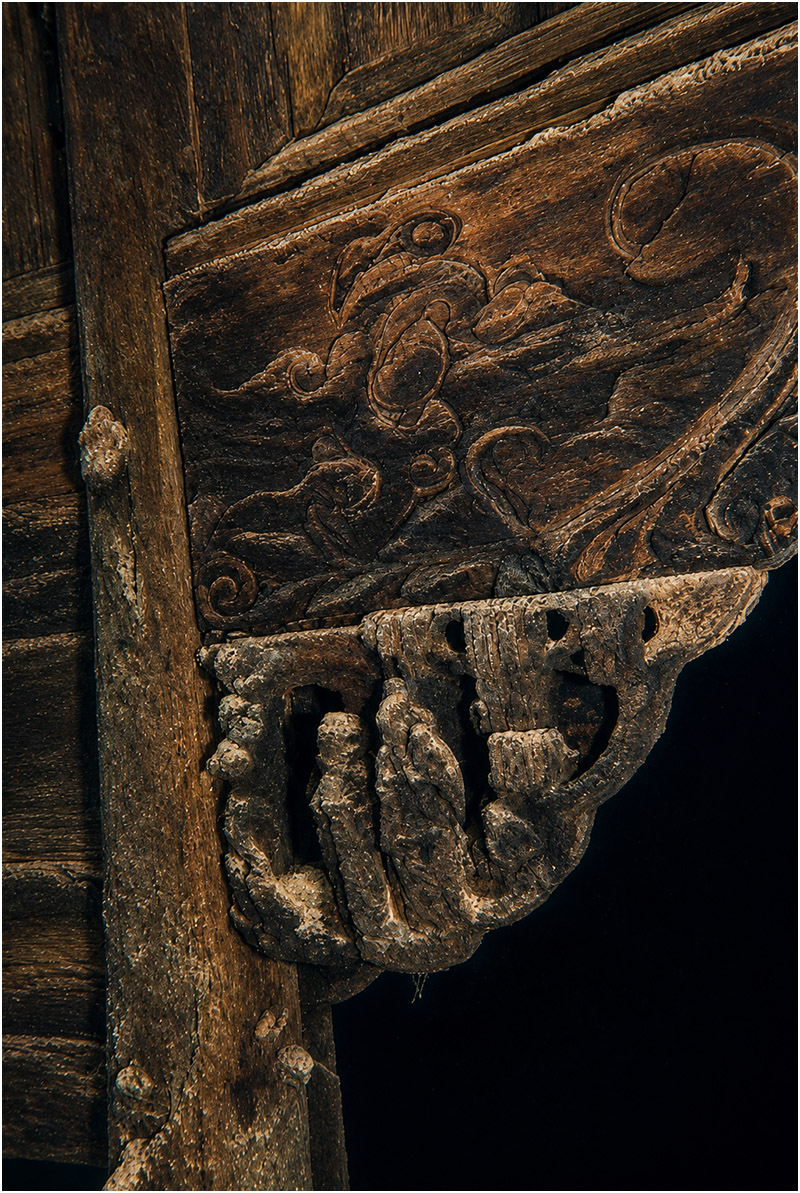
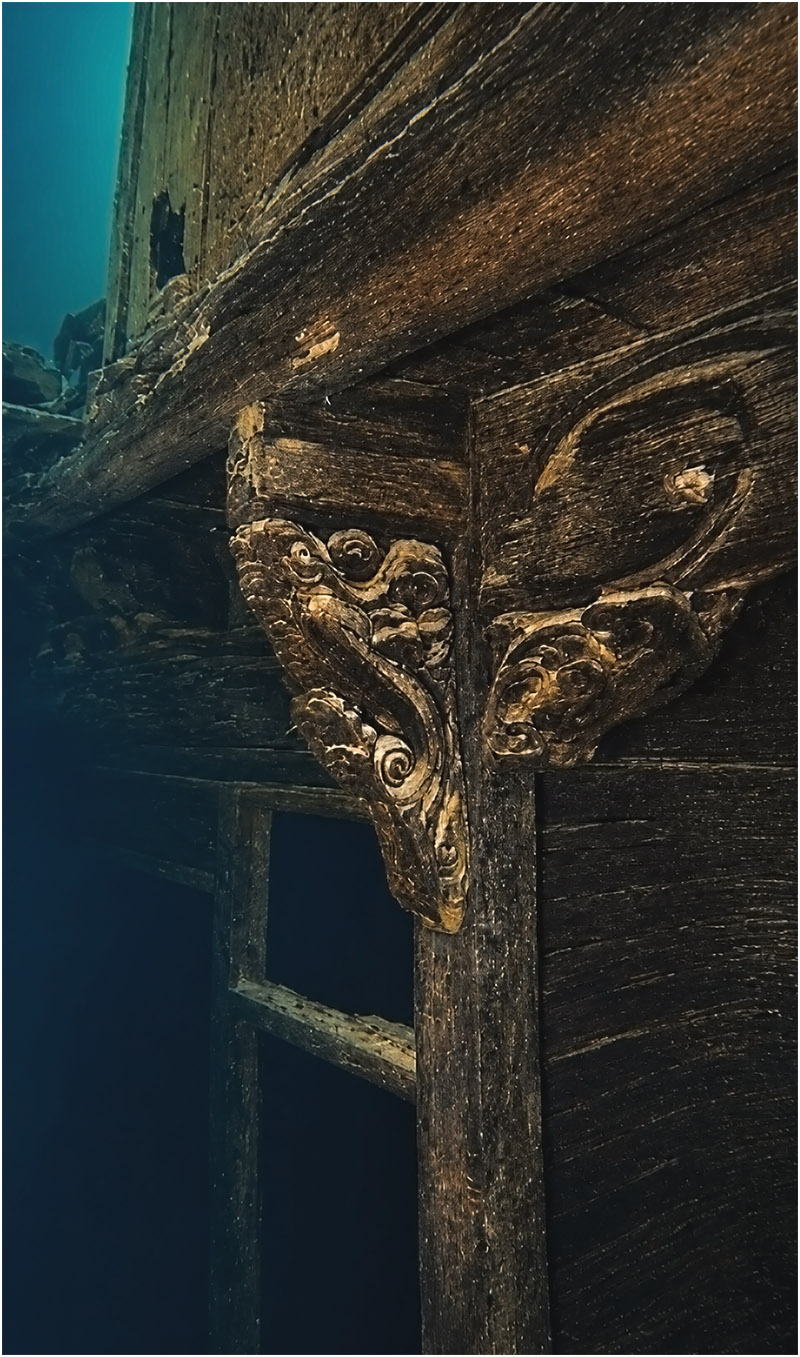
Above: Intricately carved wooden brackets decorate the exterior of the House of Xin, where master craftsmen transformed essential structural supports into elegant works of art. Resting at a depth of 19–20 meters (62–66 feet), the flowing scrollwork reflects the refined Huizhou architectural style that flourished during the Ming and Qing dynasties.
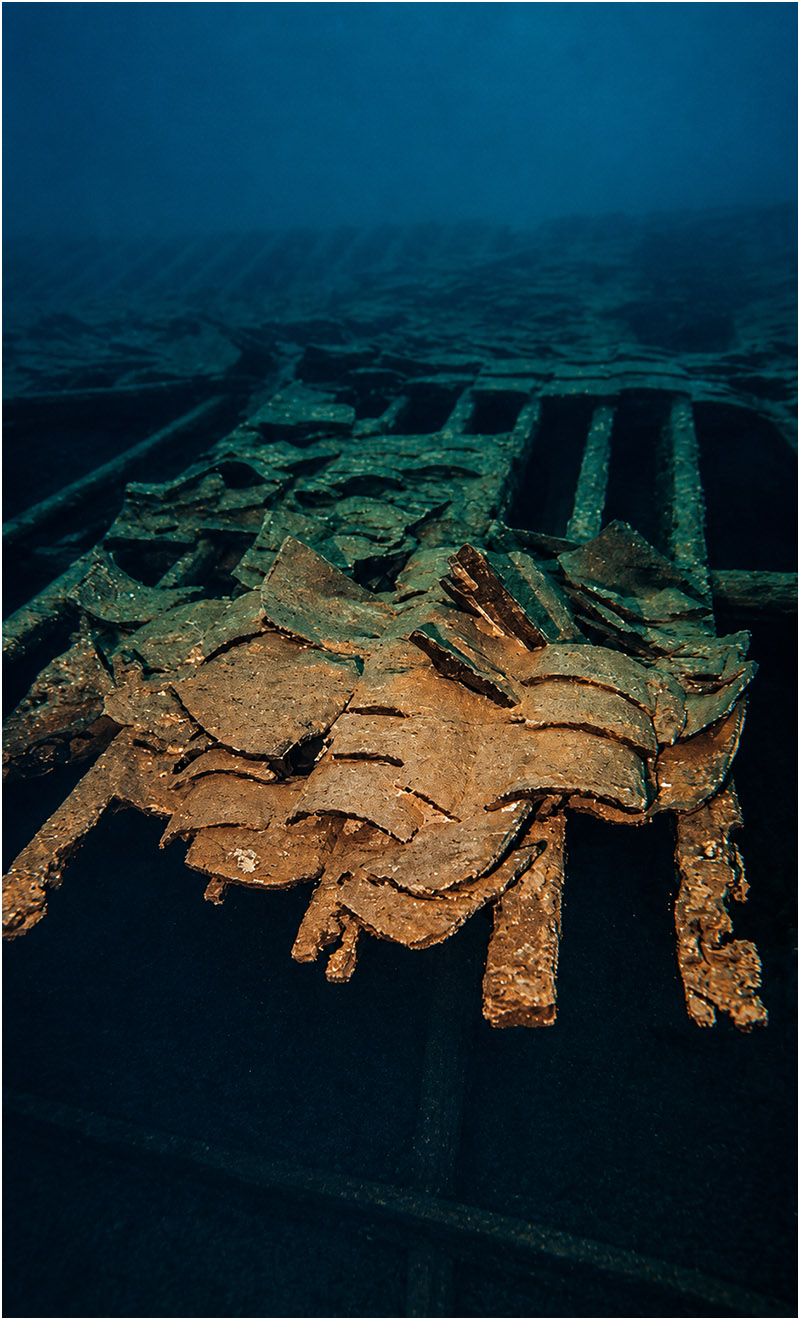
Above: Hand-fired clay roof shingles rest on the original timber rafters of a collapsed building in Shicheng at 16–19 meters (52–62 feet). Preserved where they fell during the flooding of 1959, they provide a remarkable glimpse of traditional Huizhou roofing techniques.
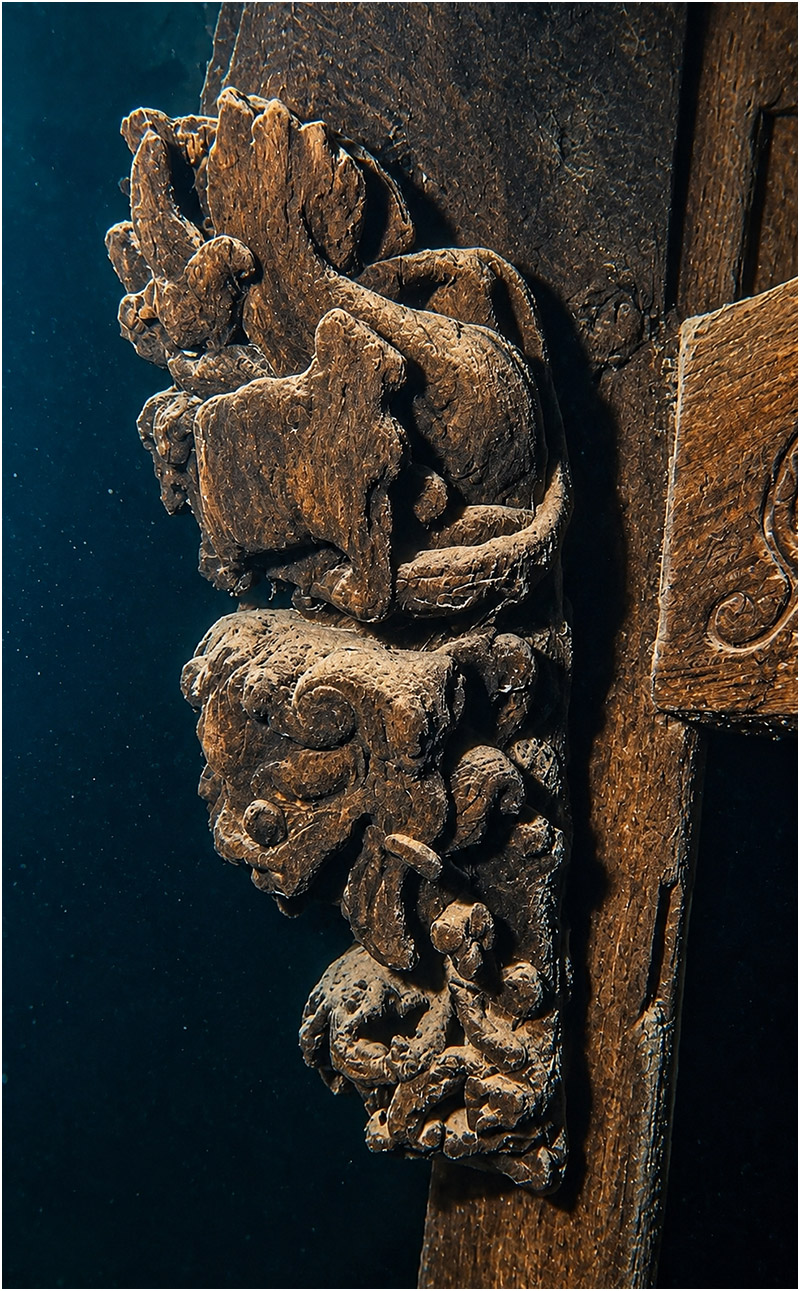
Above: An elaborate wooden bracket on the House of Xin features deeply carved figures, animals, and flowing ornamental scrollwork, reflecting the artistic traditions of Huizhou architecture during the Ming and Qing dynasties. Now resting beneath 19–20 meters (62–66 feet) of water, the carving has survived remarkably well, with its intricate relief still revealing the skill of the craftsmen who transformed functional architectural elements into enduring works of art more than a century before Shicheng was submerged.








 In A.D. 208, during the closing years of the Eastern Han Dynasty, the imperial government established Sui'an County. In A.D. 621, during the early Tang Dynasty, the county seat was relocated beneath Five Lion Mountain, where the walled city of Shicheng—Lion City—developed. Its name came from five nearby peaks said to resemble crouching lions overlooking the valley.