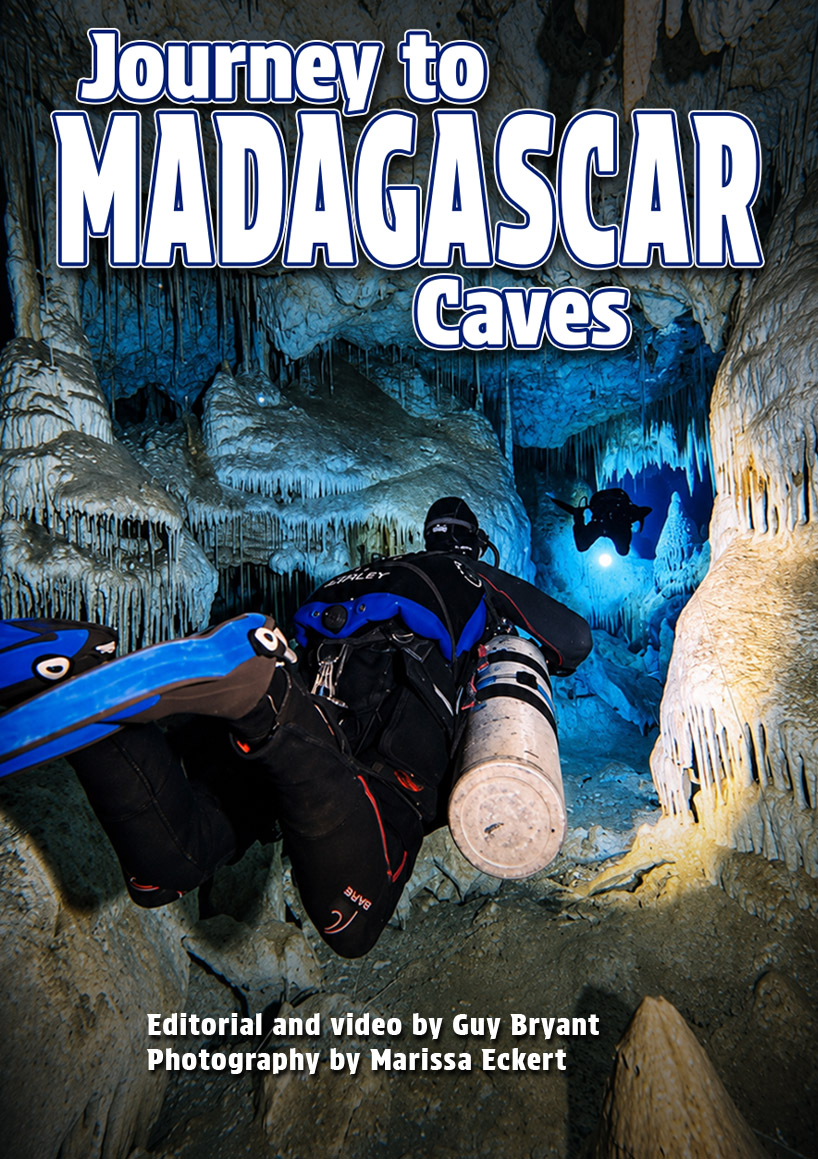
The Invitation, Journey to Madagascar, and Arrival at Anakao
Some dive trips begin with a phone call. Mine began with a text message while I was floating on the surface of the Celebes Sea during a surface interval between dives at Sipadan Island in Malaysian Borneo.
The message was from cave diver Marissa Eckert.
"Would you be interested in cave diving in Madagascar?"
It didn't take me long to answer.
Sixteen years earlier, Amy Sturkey and I had traveled to Madagascar to scuba dive the coral reefs surrounding the island of Nosy Be. Although the reef diving was excellent, what fascinated me even more were the towering limestone landscapes known locally as tsingy. Everywhere I looked, I saw sinkholes filled with impossibly blue water and wondered what secrets might lie beneath the surface. At one point I even visited a local dive shop hoping to rent enough equipment to investigate one of those inviting sinkholes. The answer was an emphatic "no." Cave diving simply wasn't something they wanted any part of.
Ever since that trip, the idea of returning to Madagascar to explore its underwater caves had remained in the back of my mind.
Now, that opportunity had finally arrived.
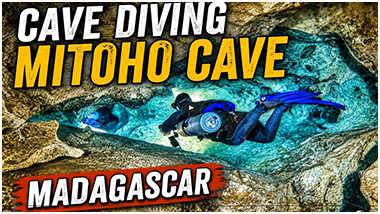
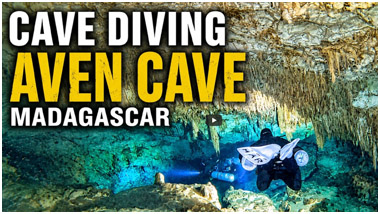
Marissa had been working with the Madagascar Cave Diving Association to organize a small expedition to southwestern Madagascar. The logistics would be handled by Tsoa Rajaobelison, one of the founding members of the Madagascar Cave Diving Association, serving as our local expedition leader and coordinator. Our six-person team would spend two weeks exploring some of Madagascar's most remarkable flooded cave systems, including Aven (Vitany), Mitoho, Malazamanga, Anjanamba, and Andakatamivola Caves. Several of these caves had only been explored by cave divers within the past decade, and much of the region remains one of the least-visited cave-diving destinations on Earth.
I asked Amy if she wanted to accompany me as a non-diver. Although she enjoys recreational scuba diving, cave diving has never appealed to her. Rather than spending two weeks watching the rest of us disappear underground each day, she decided to join a dive trip to Egypt, where she explored the Red Sea before touring Egypt's spectacular White Desert. While we would each spend about fifteen days halfway around the world, our adventures would take us to very different places.
Getting There
Planning a cave-diving expedition to Madagascar is almost as challenging as the diving itself.
About six months before departure, I booked my flights on Kenya Airways, intentionally arriving in Madagascar a full day before the rest of the team. With multiple international connections, I figured an extra day would provide a cushion if anything went wrong.
It turned out to be a wise decision.
Three months later, Kenya Airways cancelled every one of my flights and refunded my ticket.
Fortunately, I was able to rebook the entire itinerary with Ethiopian Airlines while still keeping my extra day in Antananarivo. After seeing my original plans disappear overnight, I wasn't taking any chances.
This time everything went exactly as planned.
After crossing the Atlantic, connecting through Addis Ababa, Ethiopia, and spending nearly two days traveling, I finally landed in Antananarivo, Madagascar's capital city. Tsoa Rajaobelison met me at the airport and we drove to the San Cristobal Hotel, where I would spend the next two nights waiting for the rest of the team to arrive.
Throughout the following day our expedition slowly came together. One by one, the other cave divers checked into the hotel until our entire team had assembled: Marissa Eckert, Sze Wei Ku, Martijn Heemels, Ashley Kissick, Dan Logan, and me. (click the READ MORE button below to continue reading)
Photography by Marissa Eckert
(click to enlarge)
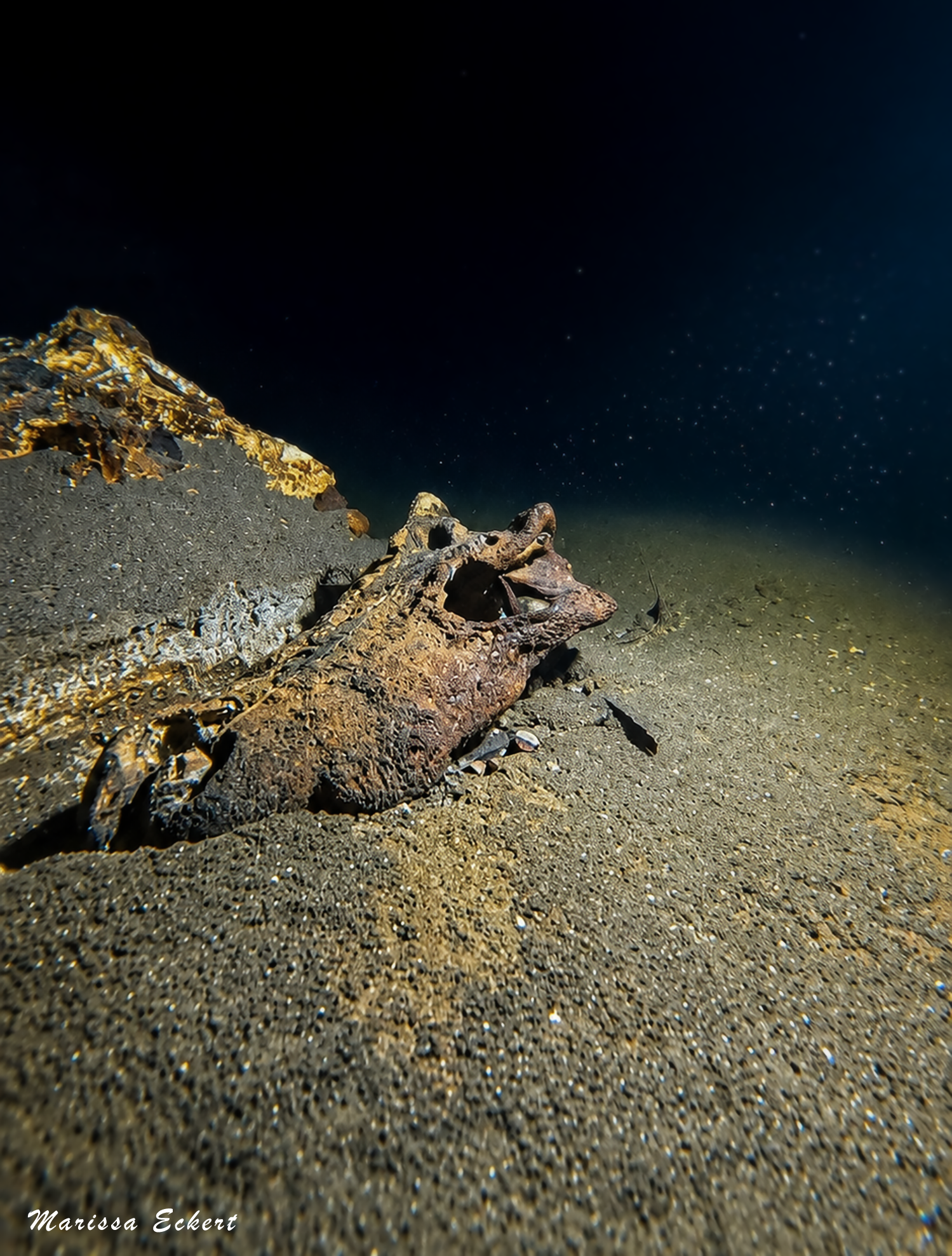
Above: Aven Vintany Cave (also known simply as Aven Cave) is a spectacular flooded sinkhole located within Tsimanampetsotsa National Park in southwestern Madagascar. It is globally renowned as a massive prehistoric fossil graveyard that preserves the remains of extinct megafauna, including giant lemurs, elephant birds, and horned crocodiles.
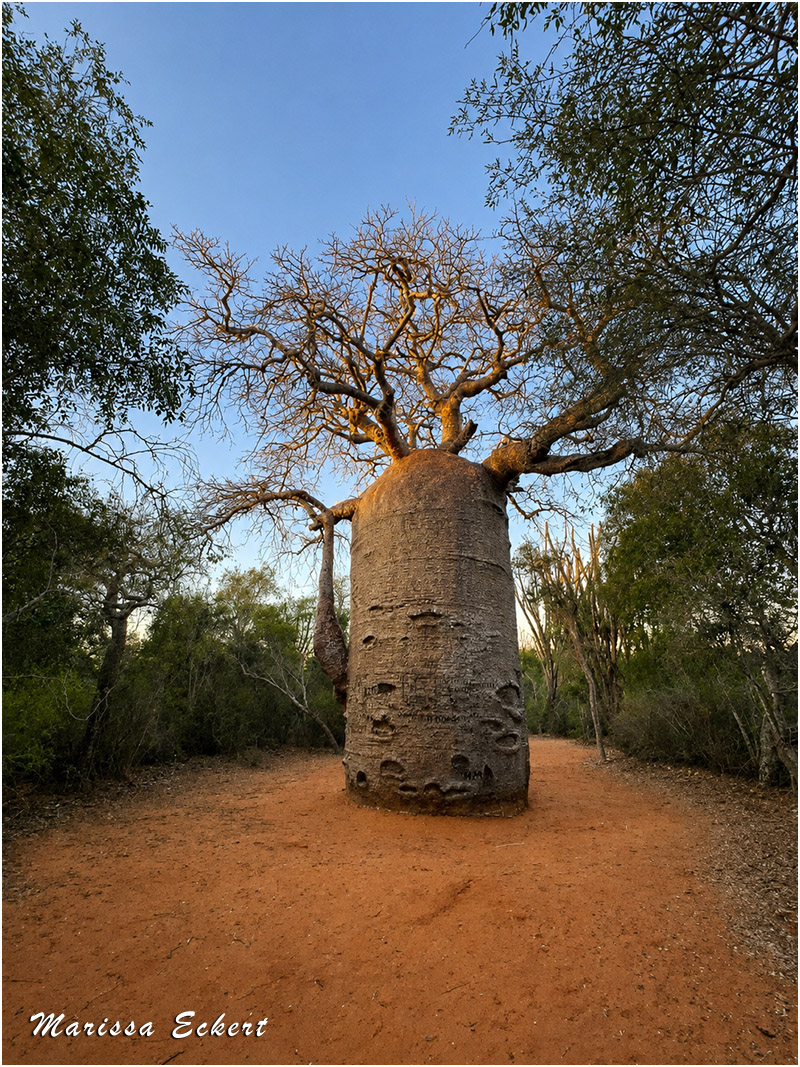
Above: Madagascar is home to six of the world's eight baobab species, which are found nowhere else. Locally known as "reniala" or "mother of the forest", these giant succulents can live for over 1,000 years.
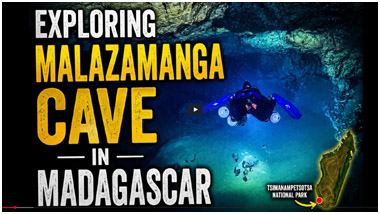
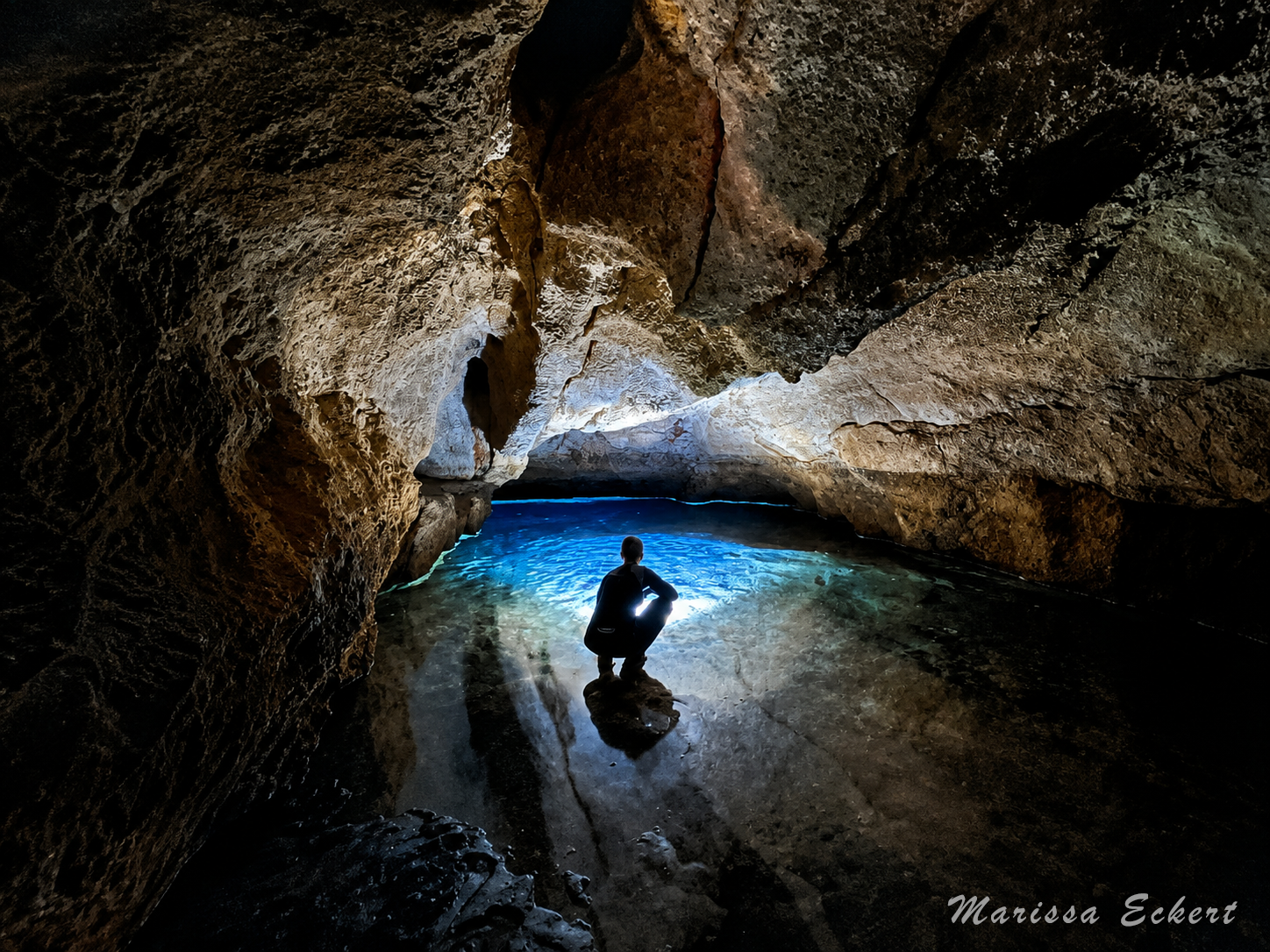
Above: Malazamanga Cave, located in the Atsimo-Andrefana Region of southwestern Madagascar near Toliara and Beheloka, is the largest submerged cave in Africa. Known locally as "Famous Blue," it is celebrated for its crystal-clear cobalt-blue water, large underground chambers, and spectacular geological formations.
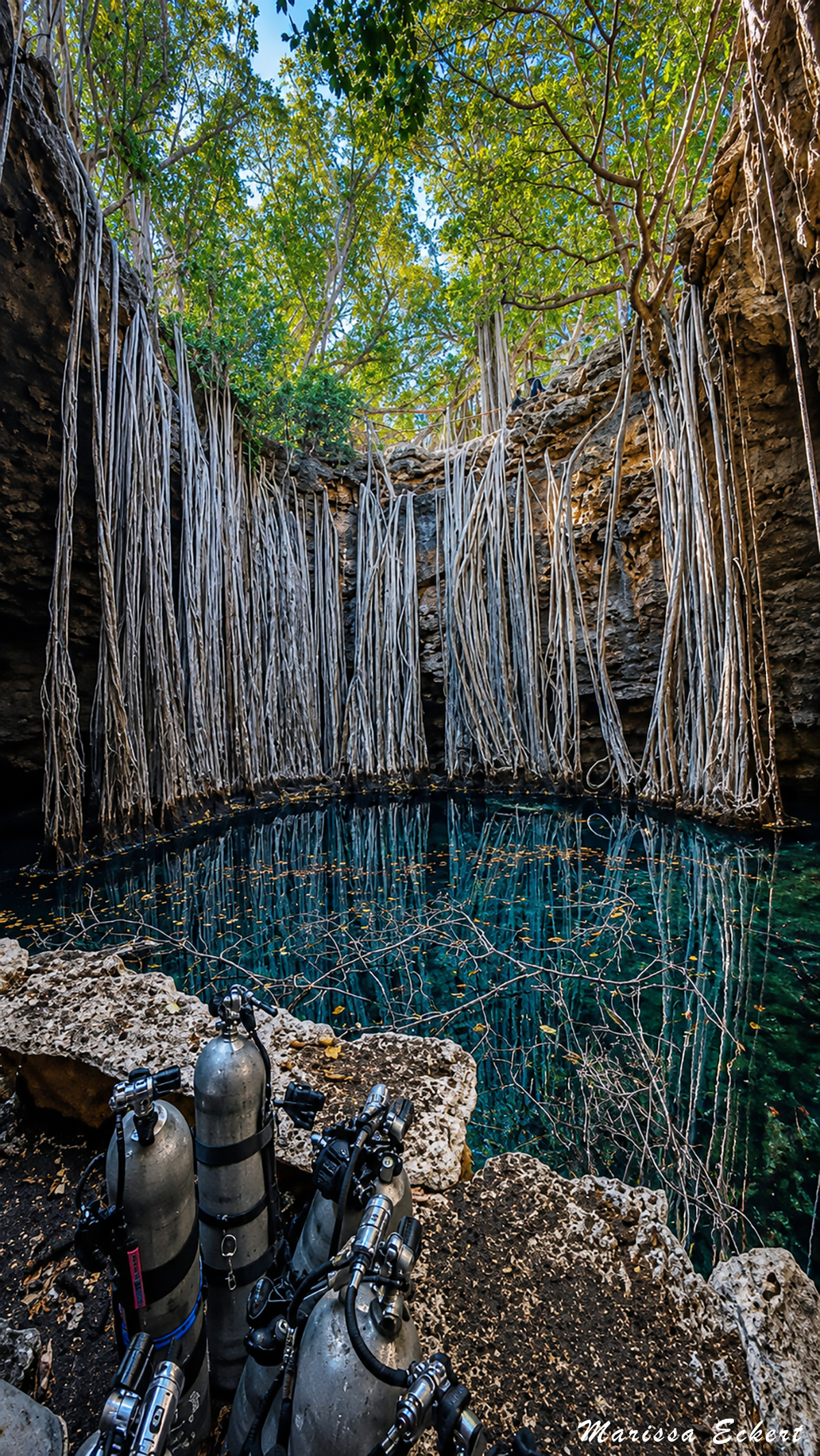
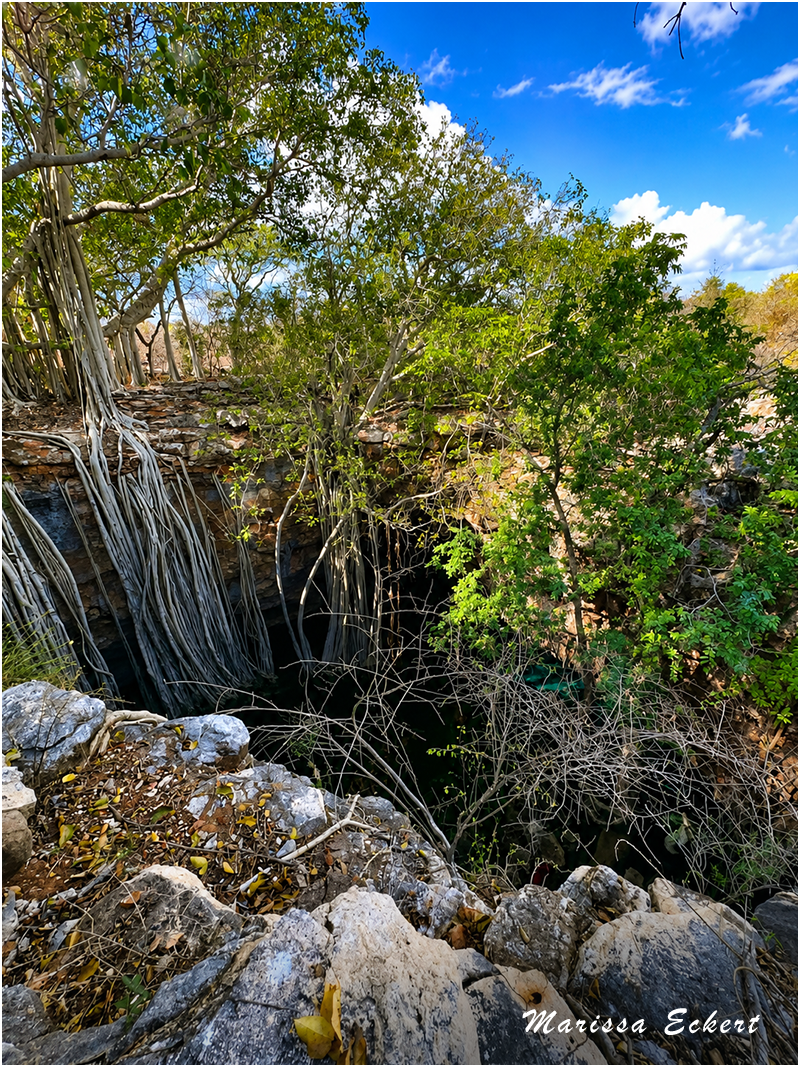
Above: This is the entrance of a cave in Madagascar, towering tree roots reach down into the pool of water to drink from the clear freshwater below—a beautiful connection between the jungle above and the hidden world beneath.
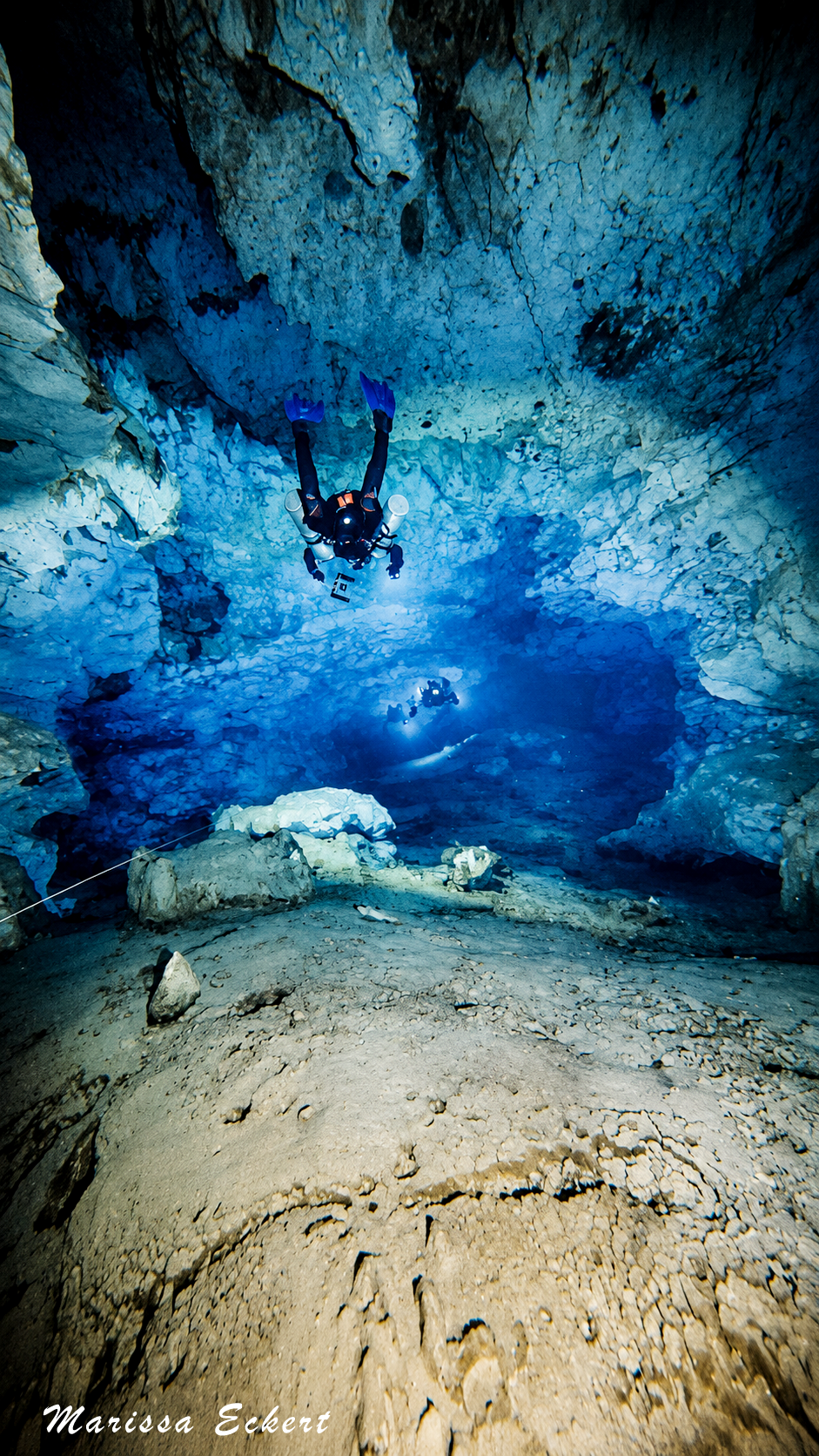
Above: Anjanamaba Cave stretches for more than 12 kilometers (7.5 miles) through the remote limestone karst of the Mikea Forest in southwestern Madagascar. It is a highly remote and geologically spectacular cave, renowned for its crystal-clear water, immense submerged passages, and massive, cathedral-like underwater corridors.
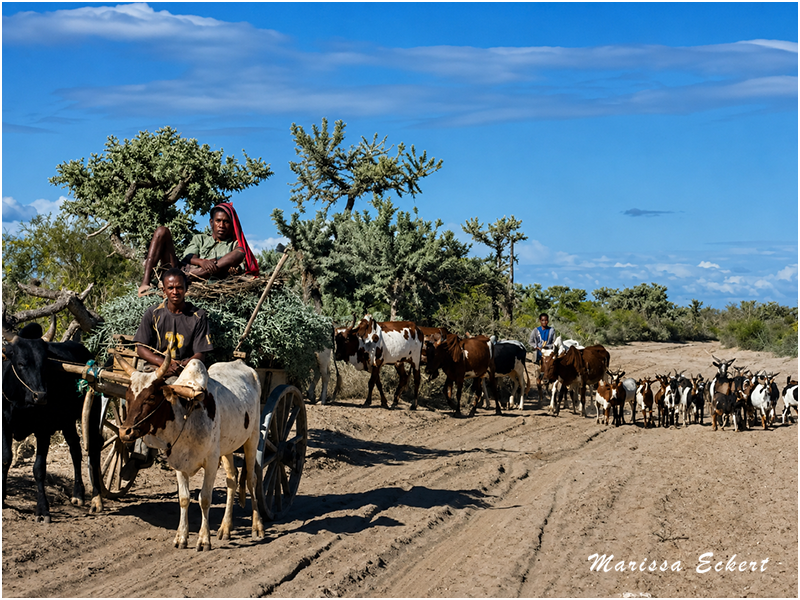
Above: n Madagascar, the zebu (known locally as omby) is a deeply revered symbol of wealth, power, and cultural identity. Alongside sheep, they form a vital part of the island's agricultural and economic landscape, with zebus uniquely embedded in ancestral traditions, rural labor, and everyday social structures.
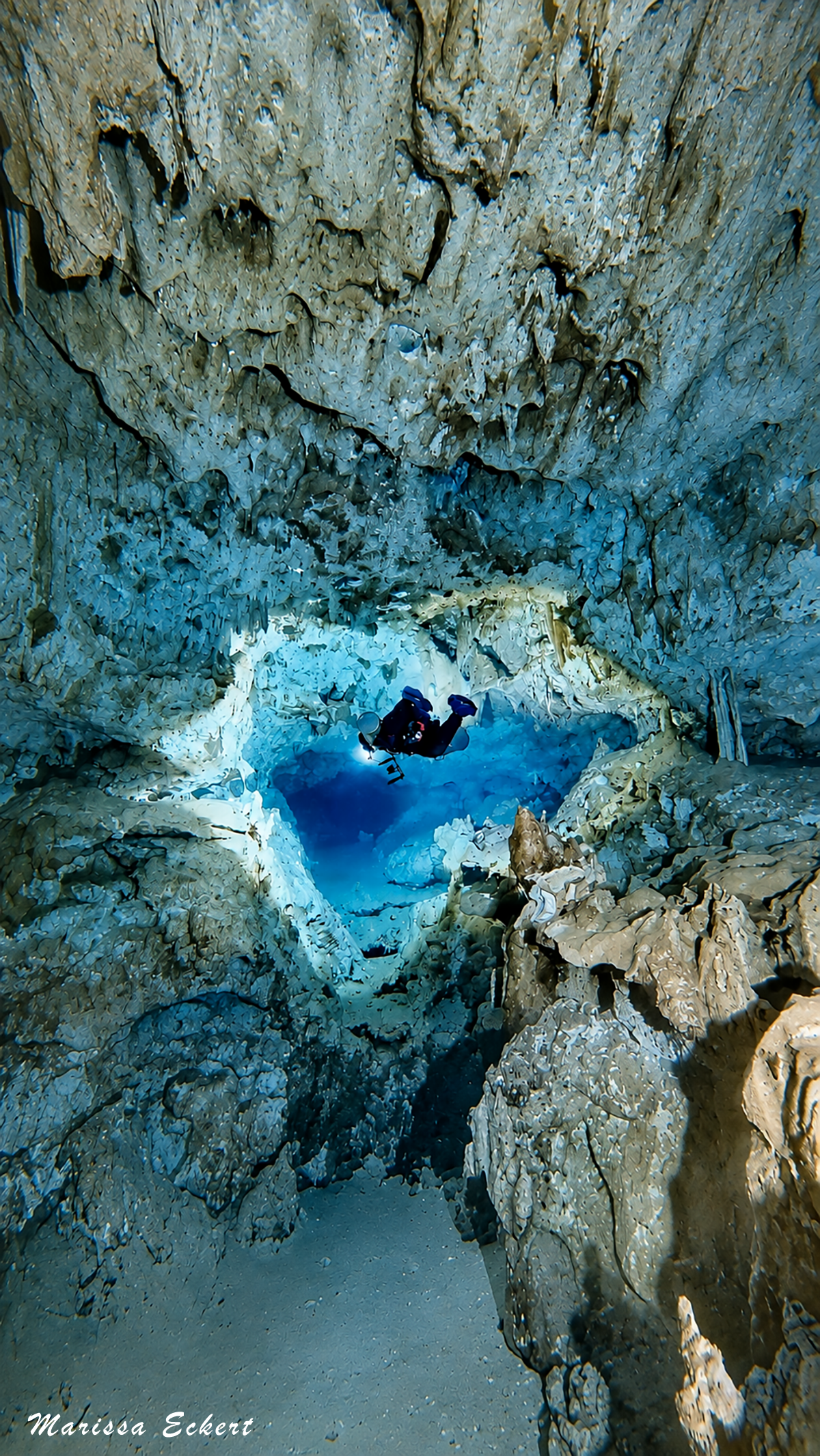
Above: A diver glides through the entrance chamber of Anjanamaba Cave, the longest submerged cave in Africa. Stretching for more than 12 kilometers (7.5 miles) beneath the limestone karst of southwestern Madagascar's Mikea Forest, the cave is famous for its extraordinary visibility, immense underwater corridors, and dramatic geological beauty.
Above: This is the entrance to a cave in Madagascar, reached after a hike through the forest and a bit of minor rock climbing. The journey in was part of the adventure, leading to an incredible underground world waiting beyond the entrance.
Above: The horned crocodile (Voay robustus) was a prehistoric apex predator that once inhabited Madagascar. It is best known for the pair of distinctive bony projections extending from the back of its skull. Long debated as a dwarf crocodile, the species was ultimately identified through ancient DNA extracted from fossil skulls housed at the American Museum of Natural History, confirming that Voay was a close relative of the true crocodiles (Crocodylus), rather than a dwarf crocodile.
Above: Some cave entrances require more than a hike to reach—they demand the right equipment and preparation. Bringing ladders allows us to safely access steep, vertical entrances that would otherwise be difficult or impossible to enter, opening the way to explore these challenging underground environments.
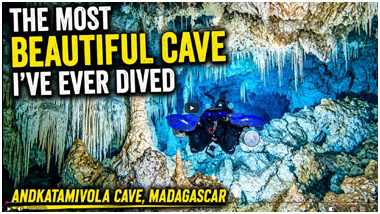
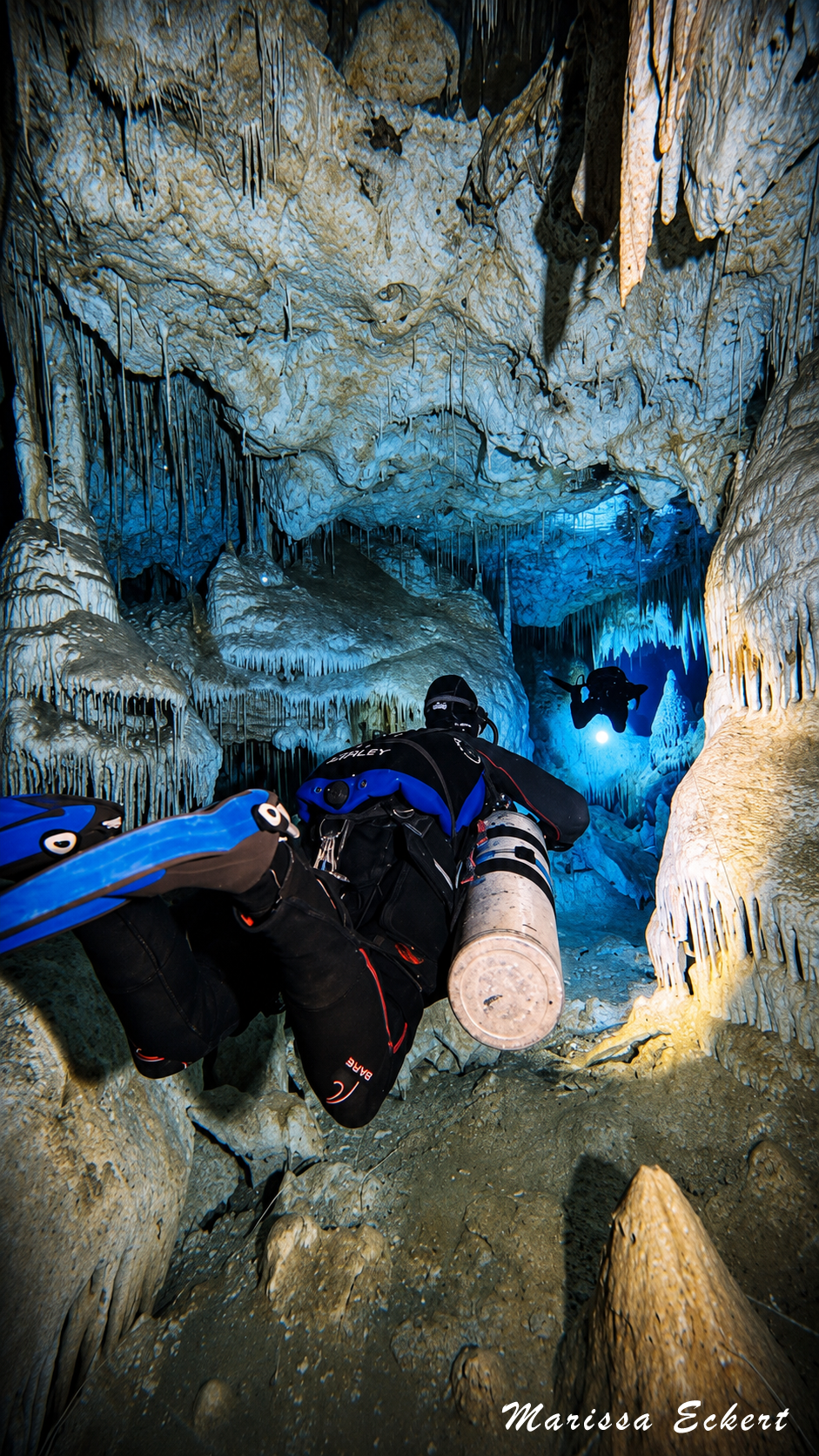
Above: Hidden within the remote, sacred lands of the Mikea people in western Madagascar, Andakatomivola Cave is one of the island's most remarkable recent discoveries. It is renowned for its extraordinary, pristine cave formations, considered among the finest found anywhere in Madagascar.
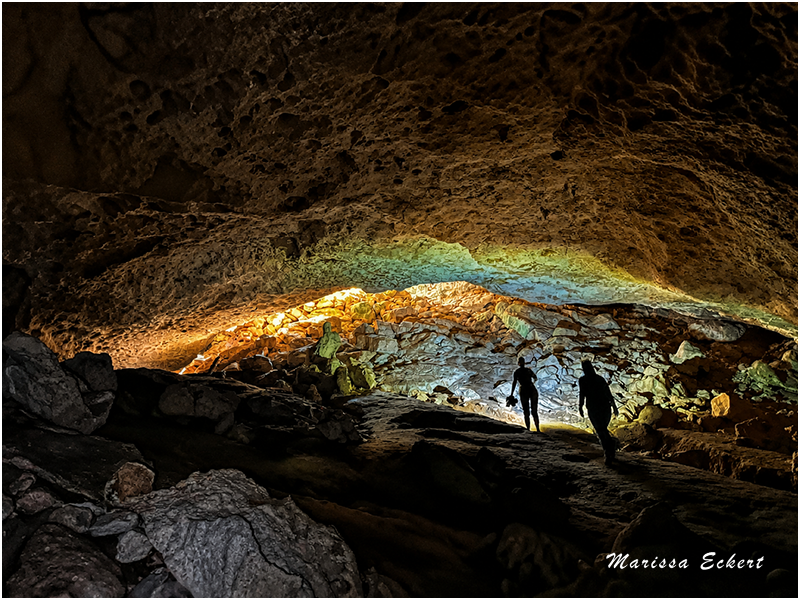
Above: Two people exit a vast cave chamber deep within the Mikea Forest, emerging from the darkness after navigating one of the region’s remarkable underground spaces.
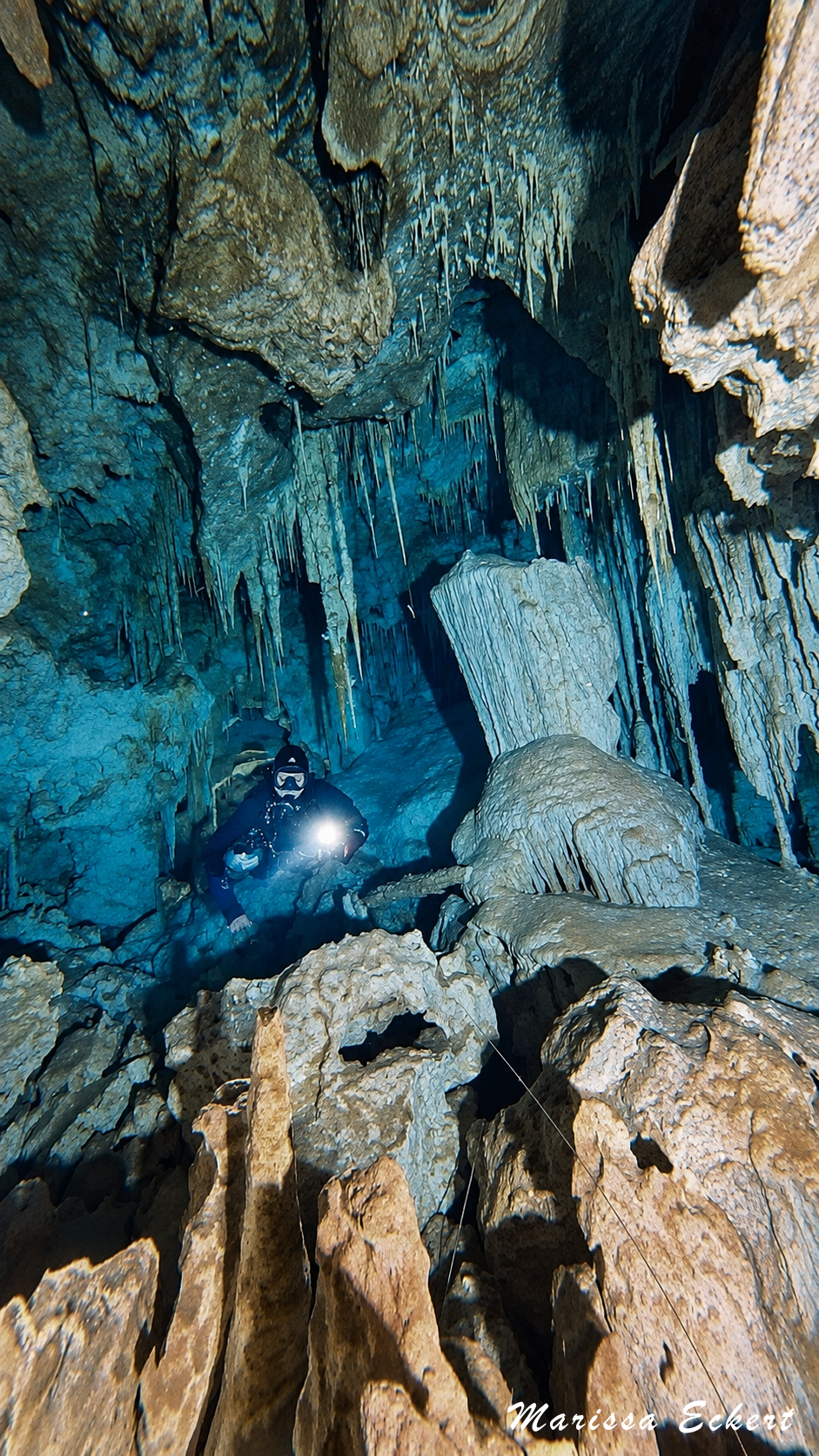
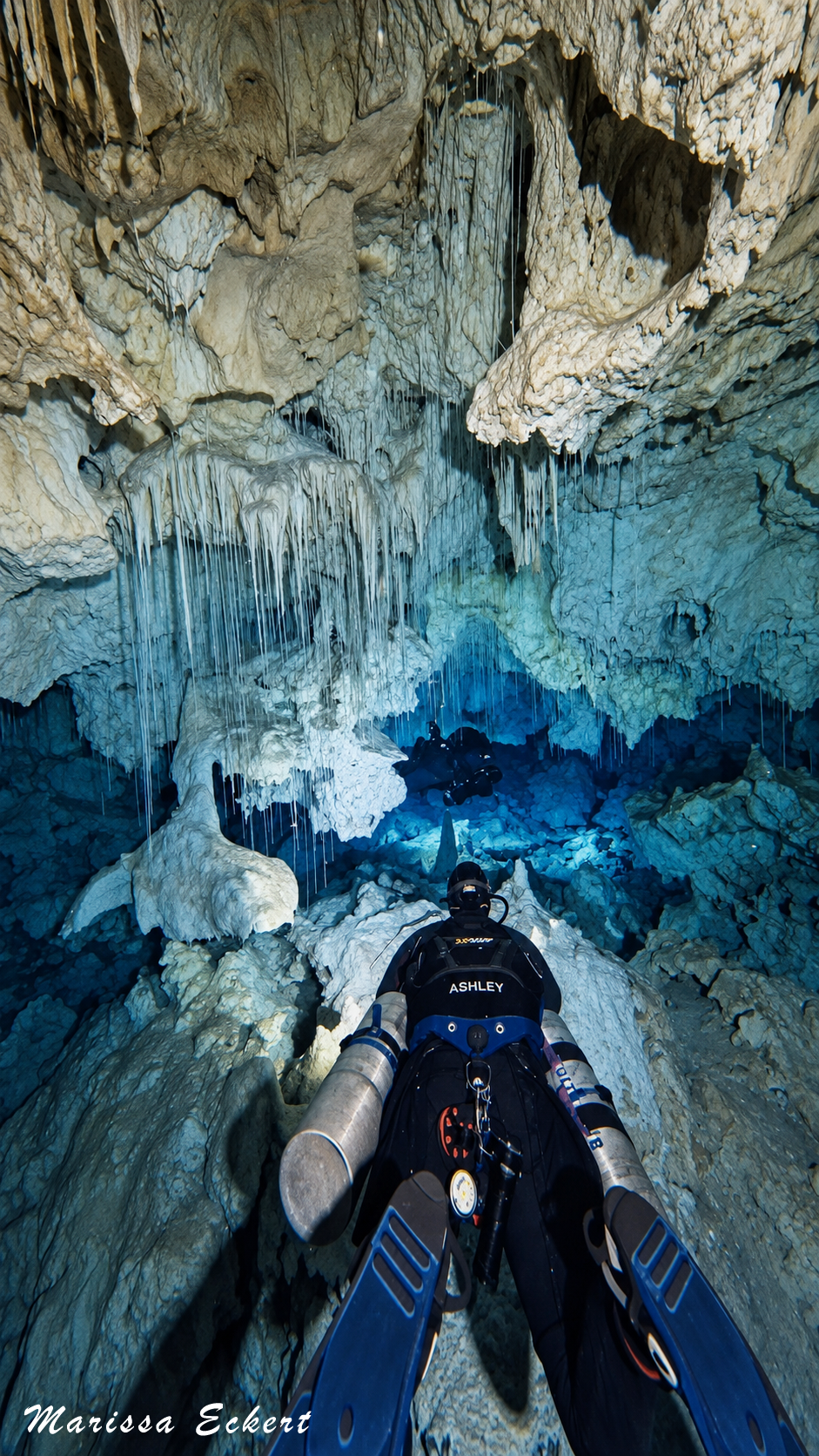
Above: Illuminated by a diver's light, the spectacular formations of Andakatomivola Cave showcase one of Madagascar's greatest underground treasures. Hidden deep within the remote Mikea region, the cave's pristine speleothems rank among the finest and best preserved on the island.
Above: In this picture, you can see just how much equipment is required to explore the caves here. Getting everything to the site was no small task—it truly took a village to make the expedition possible.
Above: A team of cave divers explores the richly decorated chambers of Andakatomivola Cave. Its delicate stalactites, flowstone, and towering columns remain remarkably well preserved within the remote Mikea region of western Madagascar.
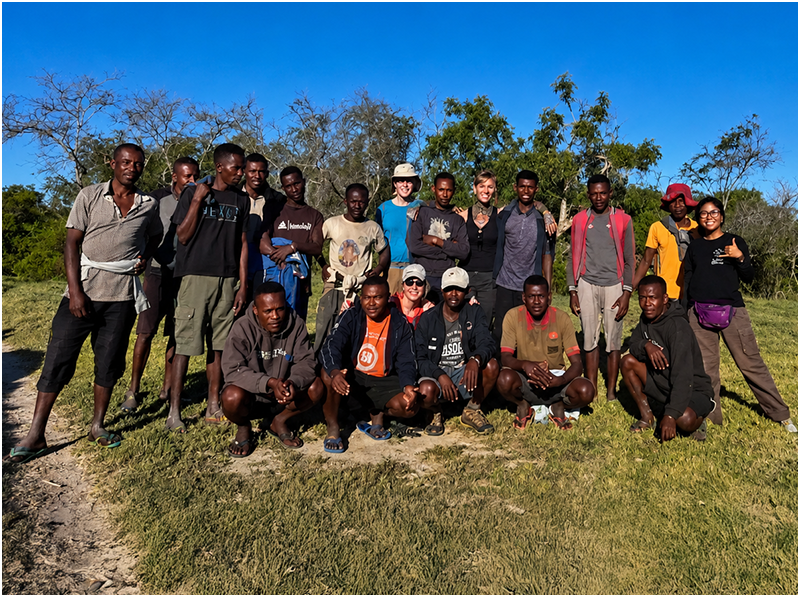
Above: This was a special moment standing alongside the incredibly hardworking local people who helped make the entire trip possible. From carrying equipment through the forest to sharing their knowledge of the area, their effort, strength, and support were essential to every part of the expedition.
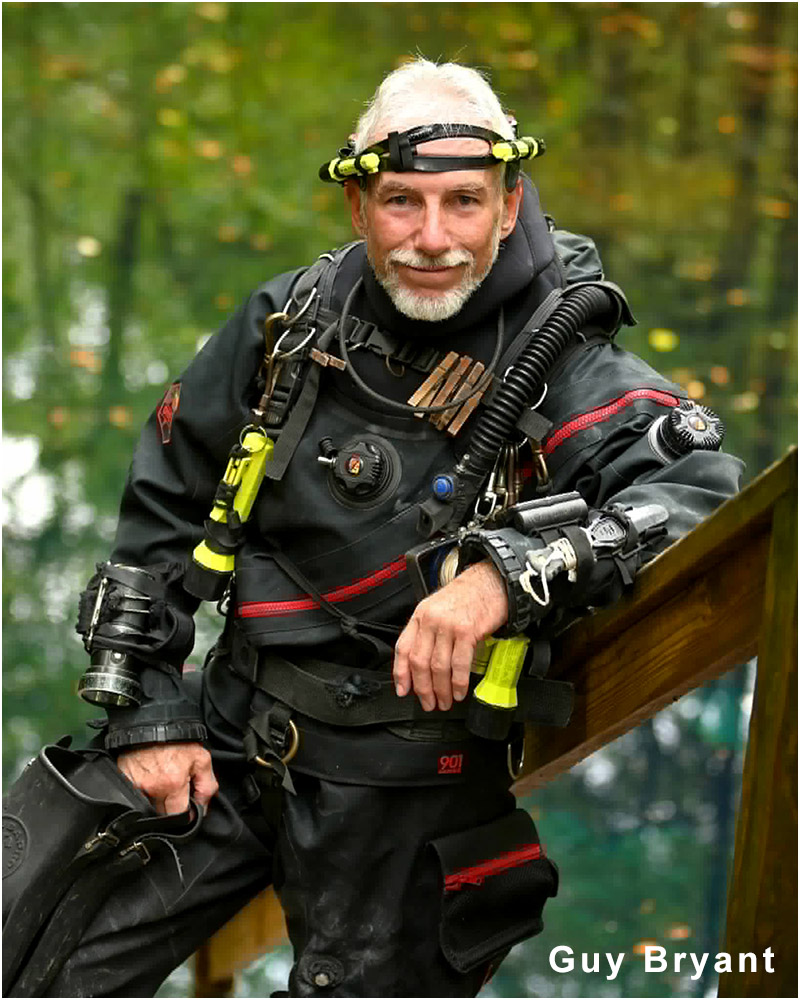
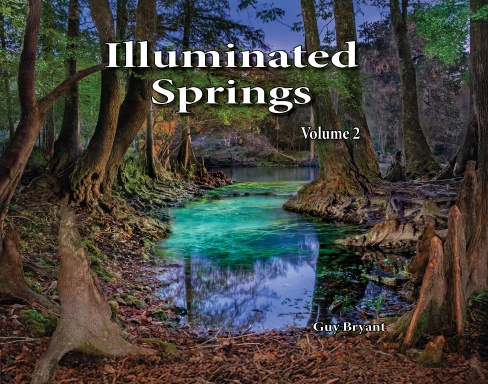
Imagine springs and sinkholes meticulously photographed during the mesmerizing hours of sunset and twilight. To photograph the springs or sinkholes, Guy and his team illuminated the clear and inviting water below the surface while simultaneously light-painting the surrounding landscape and foliage, creating a glowing, otherworldly beauty where one might expect fairies or elves to magically appear.
A Stunning Book of Spring and Sinkhole Night Photography in Florida Imagine springs and sinkholes meticulously photographed during the mesmerizing hours of sunset and twilight. To photograph the springs or sinkholes, Guy and his team illuminated the clear and inviting water below the surface while simultaneously light-painting the surrounding landscape and foliage, creating a glowing, otherworldly beauty where one might expect fairies or elves to magically appear.