The Collision that Sank Two Destroyers - HMS Hoste / HMS Negro
Text and Illustrations by Curt Bowen
Video by Dominic Robinson
Photography by Rick Ayrton
My Track
0:000:00
🔊
Audio Player: Let ADM read the editorial for you.
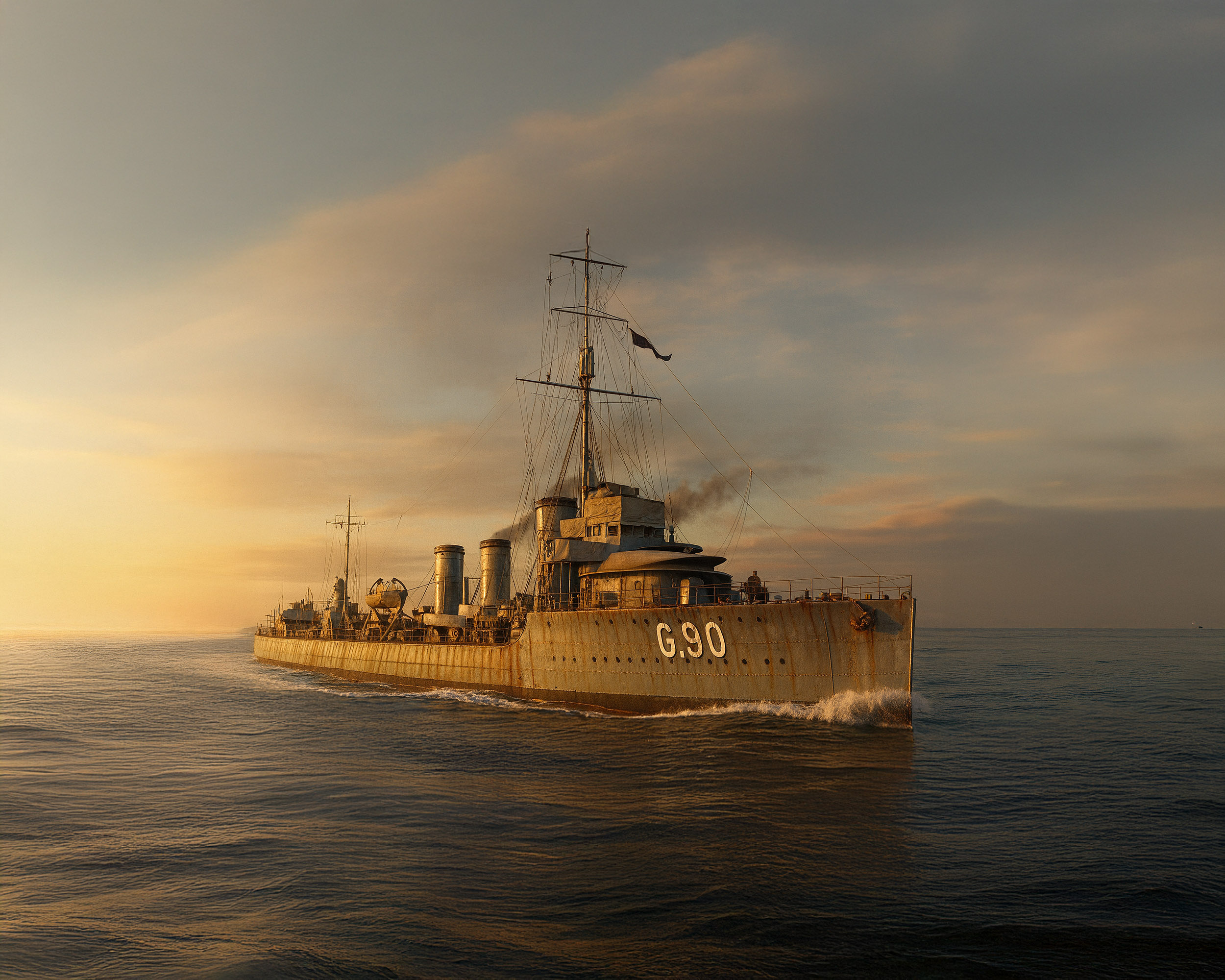
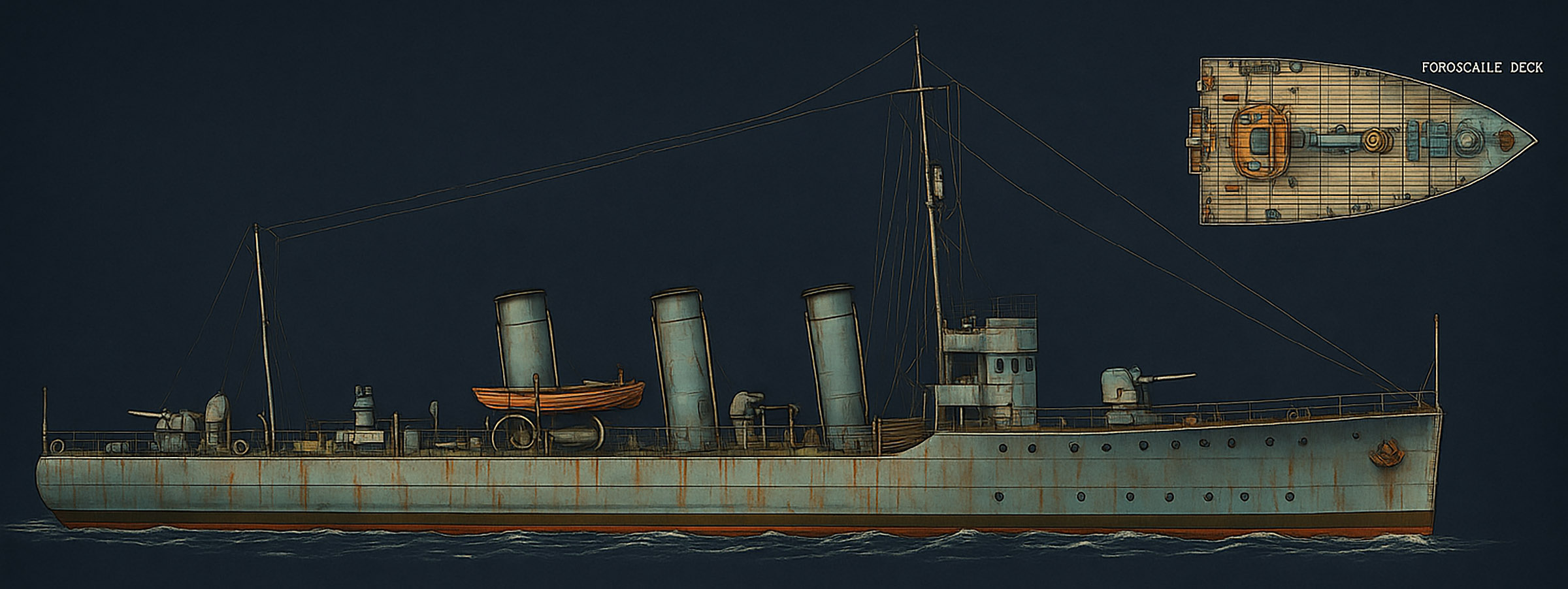
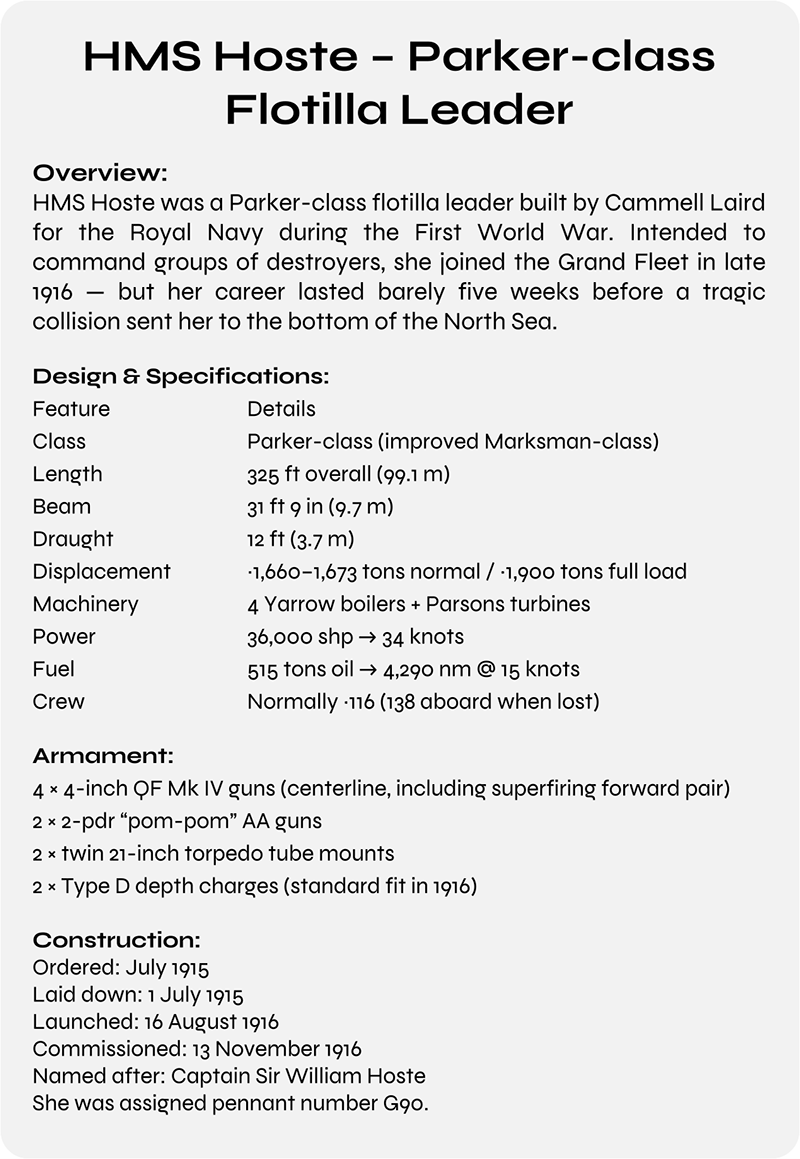
The night the ships collided began, as nights often do, with confidence. Confidence was useful at sea, especially in December, especially in the North Sea, and especially when surrounded by other confident men aboard other confident ships, all of them convinced that steel, procedure, and habit could out-argue weather. Confidence was also fragile, which was why the sea enjoyed it so much. HMS Hoste was new enough to believe in herself. She still smelled faintly of fresh paint and untried machinery, and her crew spoke of her as if the present tense were guaranteed. She was a flotilla leader, which meant she was larger than the destroyers she commanded and therefore assumed she was wiser. She could make thirty-four knots if asked politely, her guns pointed exactly where they were told, and nothing significant had yet gone wrong. Behind her steamed HMS Negro, smaller, a little older, and less inclined to optimism. Negro had already learned that the sea did not care what you were for or how recently you had been completed.
The Grand Fleet was exercising, which is the naval term for pretending something will go wrong in order to prevent it from happening. This required steaming in formation through a winter gale, at night, because the enemy—if he appeared—would not have the courtesy to wait for daylight or calm water. The fleet moved like a traveling town of steel, lights dimmed, signals flashing briefly, bows punching holes in black water. Then Hoste’s steering failed. It did not explode or catch fire; it simply stopped obeying. The rudder answered late, or not at all, or too much, and Hoste wandered alarmingly close to ships who had not agreed to be wandered into. Orders were shouted, corrections made, and collision narrowly avoided. Everyone agreed this was far too exciting for routine maneuvers. Someone sensible decided Hoste should return to Scapa Flow. Sensible decisions, however, have consequences. An escort was assigned—HMS Negro—because nothing attracts disaster faster than a damaged ship attempting to look normal. Negro took station astern, about four hundred yards back: close enough to see, far enough to avoid trouble, assuming trouble respected spacing.
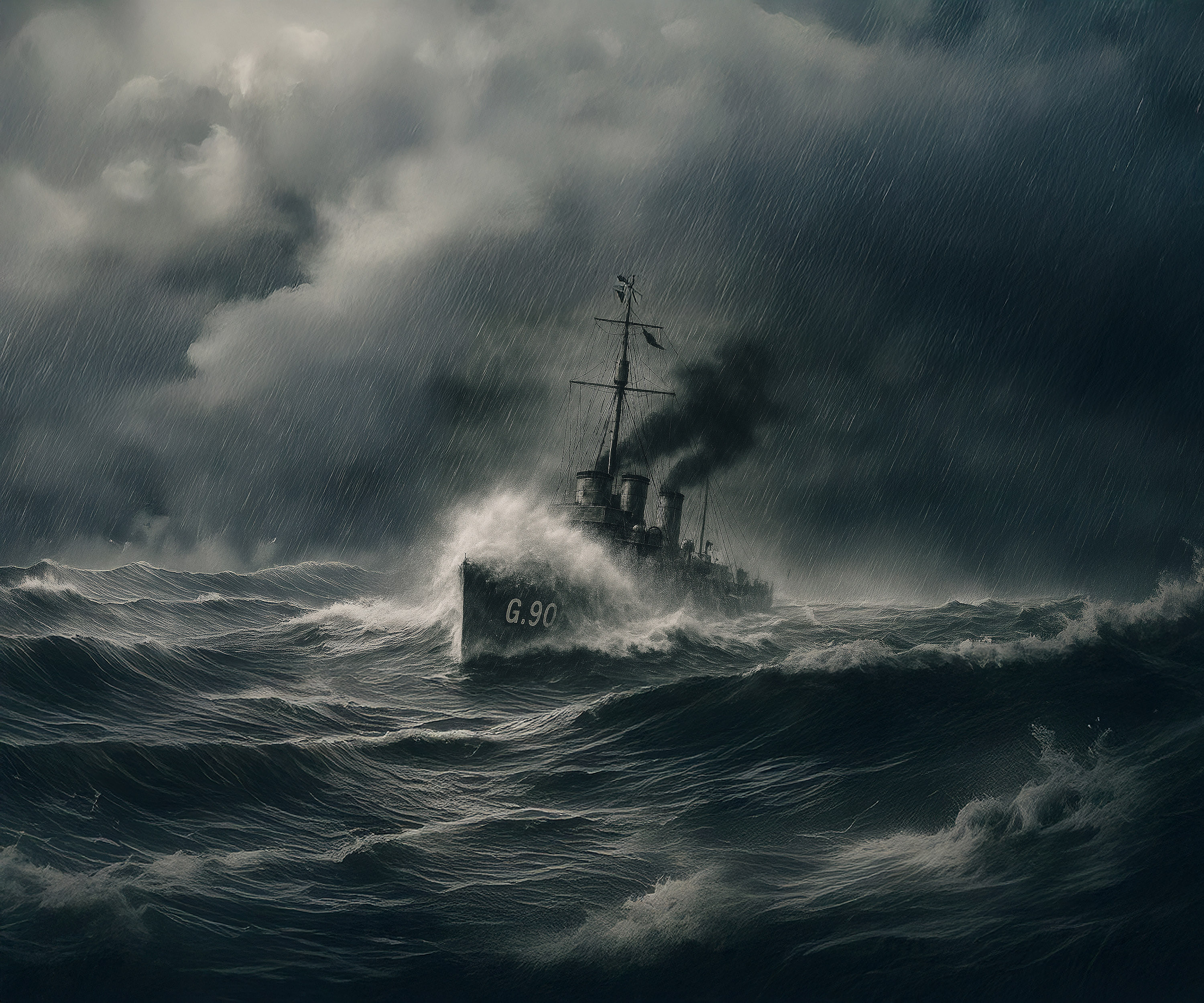
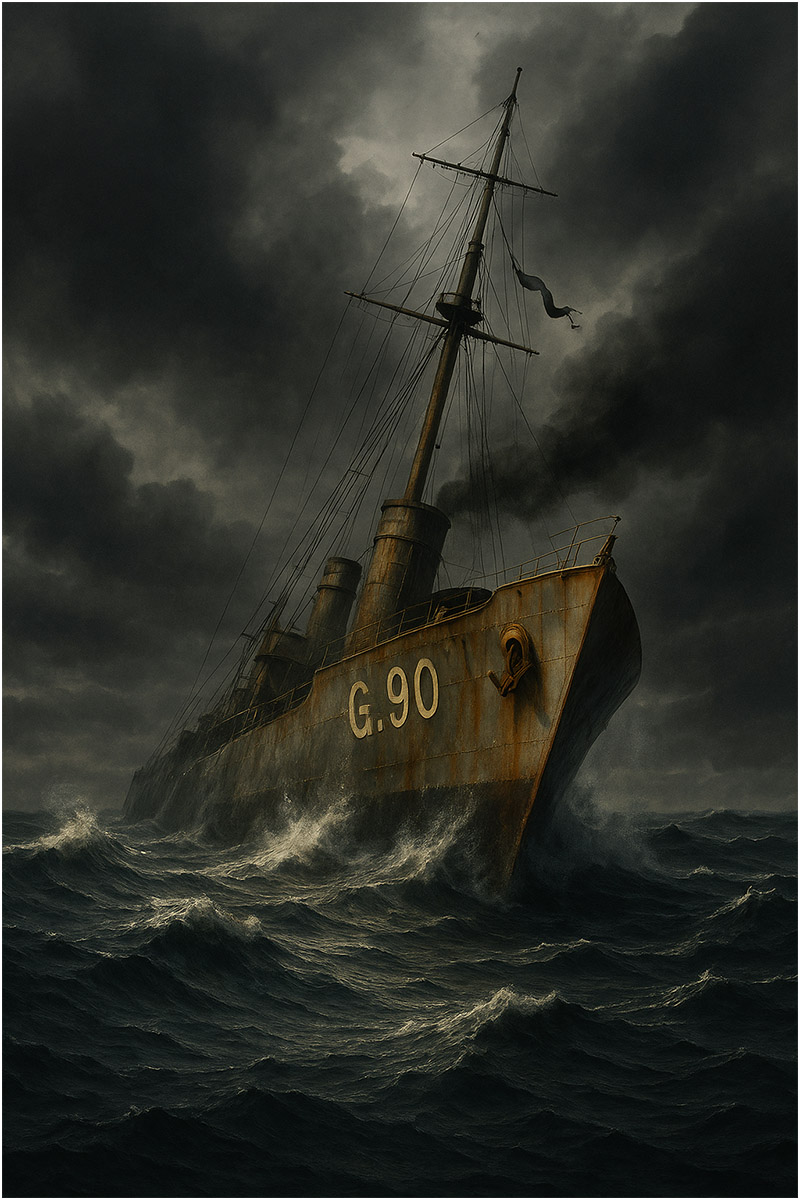
It did not. The weather worsened, as weather does when challenged. Wind clawed at superstructures, waves arrived from inconvenient directions, and visibility shrank to a small, wet circle of immediate concern. Shortly after half past one on the morning of 21 December 1916, Hoste’s steering failed again. This time the rudder jammed hard over and stayed there. The ship turned suddenly to port with the decisiveness of a bad idea finally acted upon. On Negro, four hundred yards collapsed into nothing. Engines answered instantly, because engines always answer even when it no longer matters. The helm went over, men leaned instinctively, and the sea lifted one ship, dropped the other, and arranged their paths so that avoidance became theoretical. The impact was brutal and unambiguous. Steel met steel with a shriek that suggested neither vessel approved of the arrangement. Plates buckled, rivets failed, and the ships scraped together briefly in a relationship no one had wanted.
When they separated, matters became worse. Two depth charges were knocked from Hoste’s stern. Depth charges are designed to be dropped deliberately into the sea in a controlled act of hostility. They are not designed to be surprised. They exploded. The concussion came from below, where explosions are most persuasive. Water erupted upward, Hoste’s stern shuddered violently, and Negro’s hull plating was blown inward. Her engine room flooded immediately, which is the naval equivalent of replacing a ship’s heart with the ocean. Power failed, lights died, steam escaped enthusiastically, and Negro began to sink. There are moments aboard a ship when men wait for orders, and moments when physics has already issued its own. This was the latter. Negro went down quickly, because destroyers are not built to linger once opened to the sea. Fifty-one men did not return.
HMS Marmion fought the gale to pull survivors from the water, approaching a sinking ship without becoming one herself. Men were hauled aboard cold, injured, furious at the sea, and very much alive. Hoste still floated, which surprised everyone, including Hoste. Her stern was wrecked, her steering unreliable, and her prospects limited, but she remained stubbornly afloat. Someone decided she could be towed. This decision was optimistic. For three hours, lines held, engines strained, and the sea expressed skepticism. Eventually, Hoste began to founder—a polite word meaning the ocean was winning an argument no one could interrupt. Compartments filled, her movements grew sluggish and wrong, and the deck tilted just enough to make standing a discussion. The order to abandon ship was given, clarifying everything.
HMS Marvel came alongside to take off the crew in seas that treated proximity as an insult. The ships collided, separated, and collided again. Twelve times Marvel came alongside, her forecastle taking damage each time. Men crossed when waves allowed, which was seldom. Some climbed, some were dragged, some fell and were hauled back. Names were shouted, hands reached, and the rescue continued because stopping would have meant acknowledging the sea’s authority. Most of Hoste’s crew were saved. Four were not. In the end, Hoste slipped beneath the surface stern-first, as if embarrassed by the attention. The sea closed over her efficiently and moved on.
By daylight, reports would be written. Steering failure would be identified, depth charges mentioned, weather blamed. None of these things would argue back. Two ships were gone, an exercise had become history, and the fleet carried on because fleets do. The North Sea rolled on because it always does. Somewhere between Shetland and Norway, four hundred yards became the smallest distance that ever mattered.
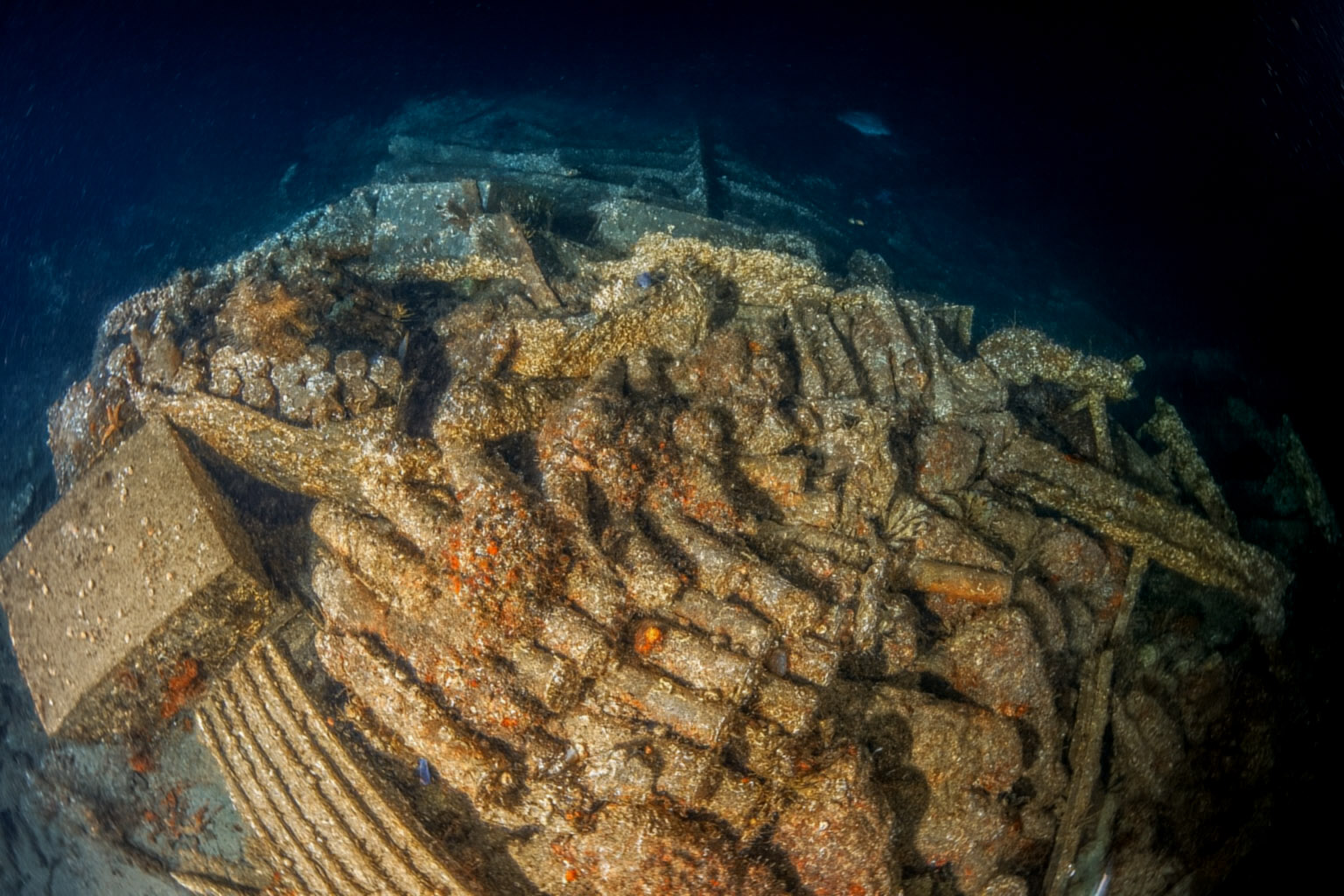
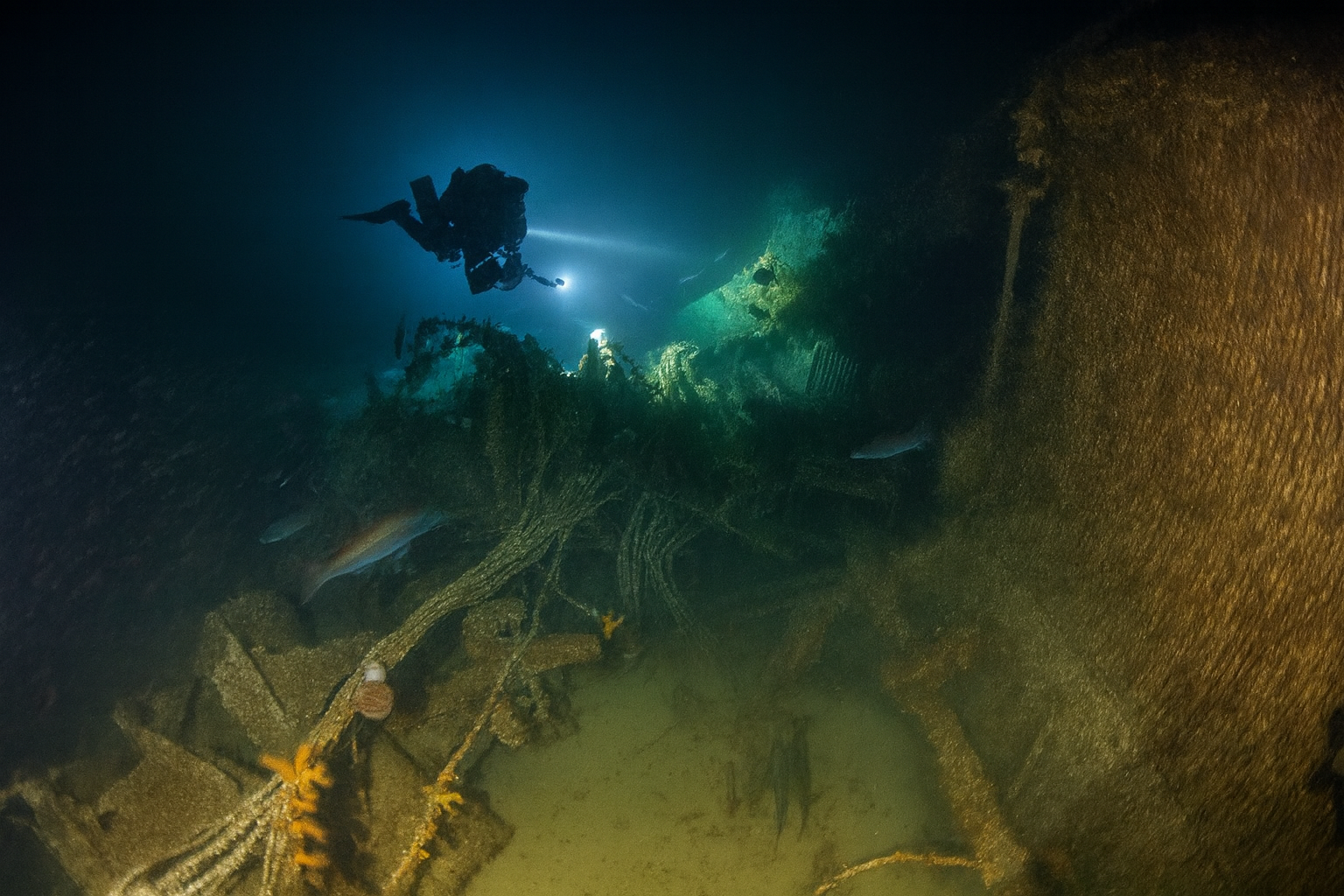
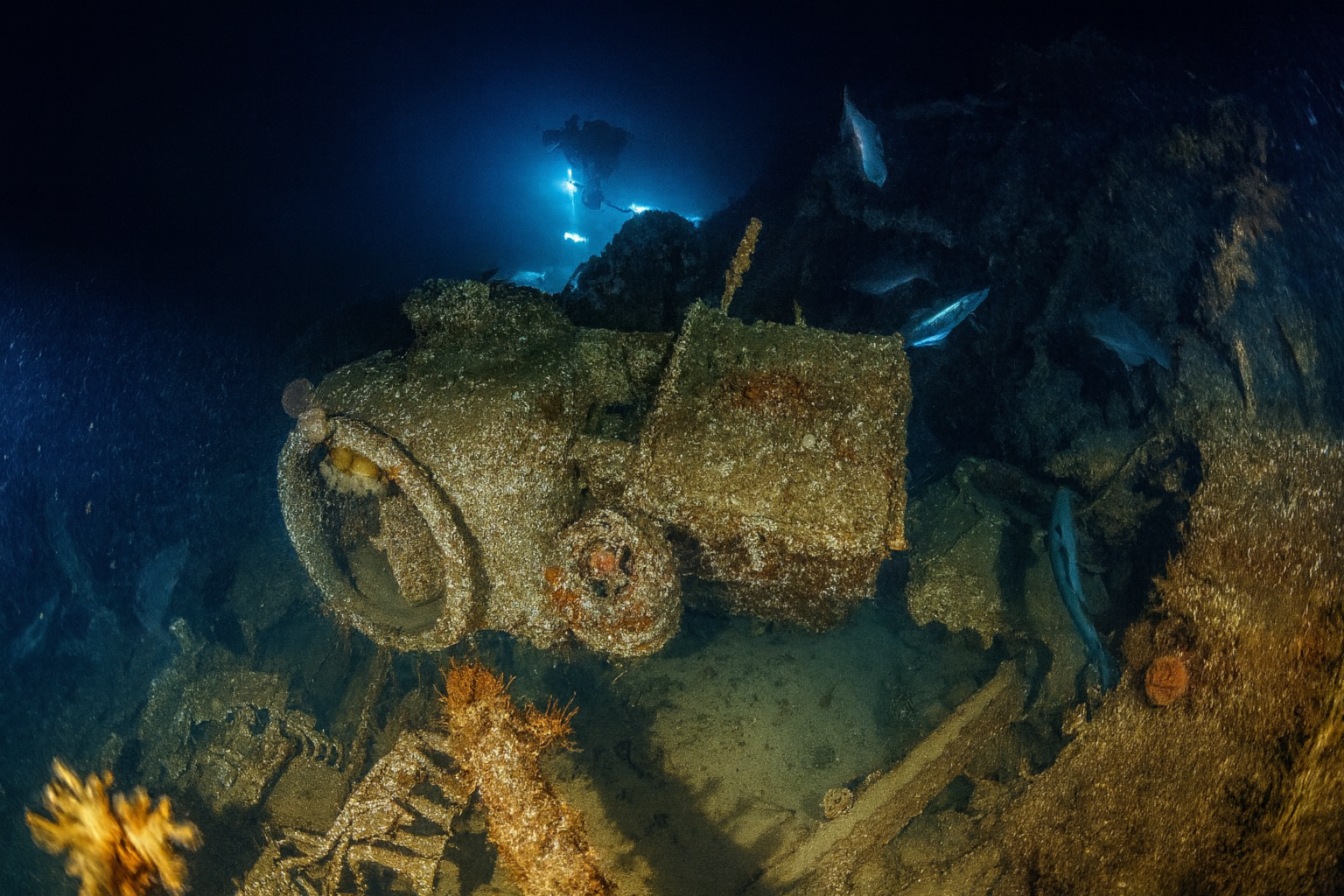
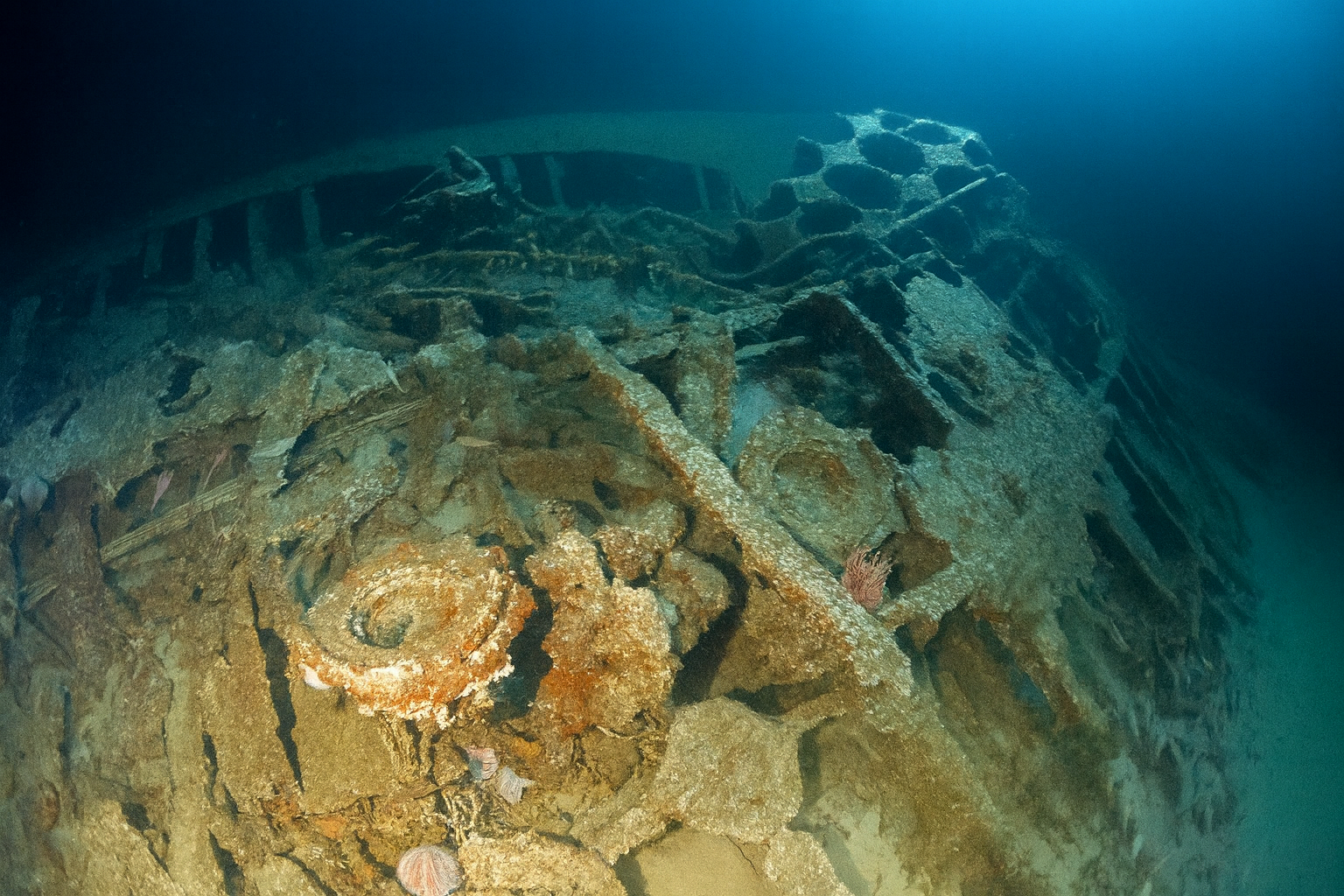
Discovery of the HMS Hoste - 104 Meters
Contact Deep Wreck Diver
Photography of the Hoste by Rick Ayrton
(click image to enlarge)
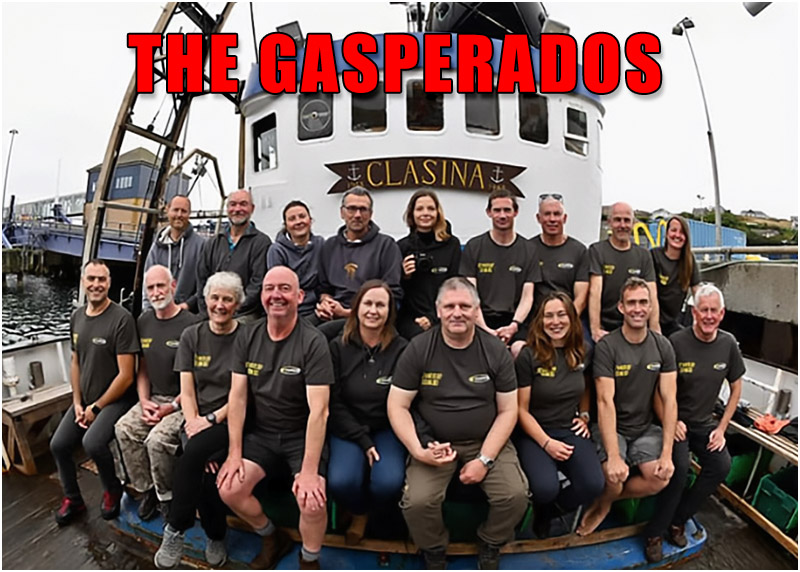
Expedition Leader: Will Schwarz
Team: Lt .Cmdr. Jen Smith (R.N.) Steve Mortimer, Barbara Mortimer, Rick Ayrton, Dominic Robinson, Fran Hockley, Jacob Mackenzie, Simon Kay, Paul Downs, Andi Marovic
MV Clasina Crew: Bob Anderson (Skipper) Neil Cope, Tash Yates, Godfrey Priest.



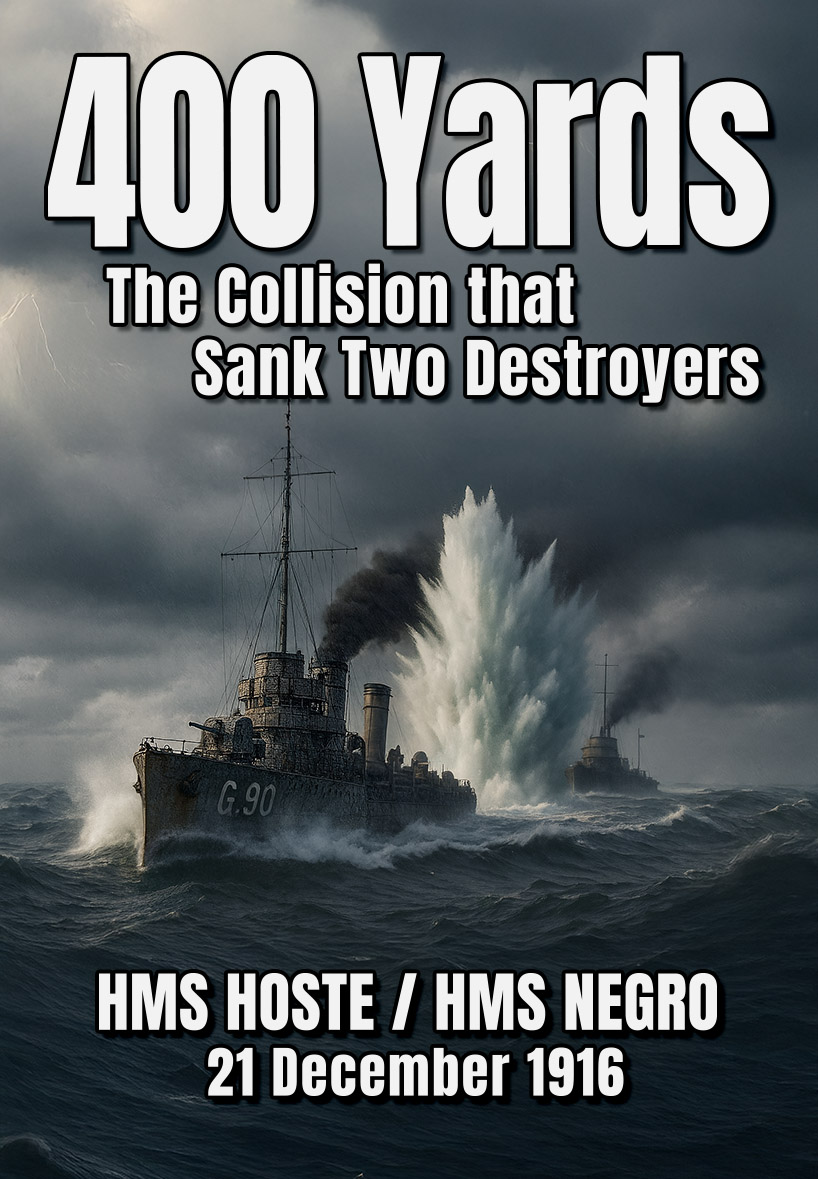

 The Grand Fleet was exercising, which is the naval term for pretending something will go wrong in order to prevent it from happening. This required steaming in formation through a winter gale, at night, because the enemy—if he appeared—would not have the courtesy to wait for daylight or calm water. The fleet moved like a traveling town of steel, lights dimmed, signals flashing briefly, bows punching holes in black water. Then Hoste’s steering failed. It did not explode or catch fire; it simply stopped obeying. The rudder answered late, or not at all, or too much, and Hoste wandered alarmingly close to ships who had not agreed to be wandered into. Orders were shouted, corrections made, and collision narrowly avoided. Everyone agreed this was far too exciting for routine maneuvers. Someone sensible decided Hoste should return to Scapa Flow. Sensible decisions, however, have consequences. An escort was assigned—HMS Negro—because nothing attracts disaster faster than a damaged ship attempting to look normal. Negro took station astern, about four hundred yards back: close enough to see, far enough to avoid trouble, assuming trouble respected spacing.