The Amazing Underwater Photography by Patrik Gronqvist
Photography by Patrik Gronqvist
Text by Curt Bowen
Patrik Grönqvist was born in southern Finland in 1972 and grew up by the sea, where being in the water—on the surface or beneath it—felt natural from an early age. Long before formal certification, he experimented with homemade diving gear, driven more by fascination than success. It wasn’t until 1997, after completing a CMAS P1 course with the local dive club Murena, that his diving truly began.
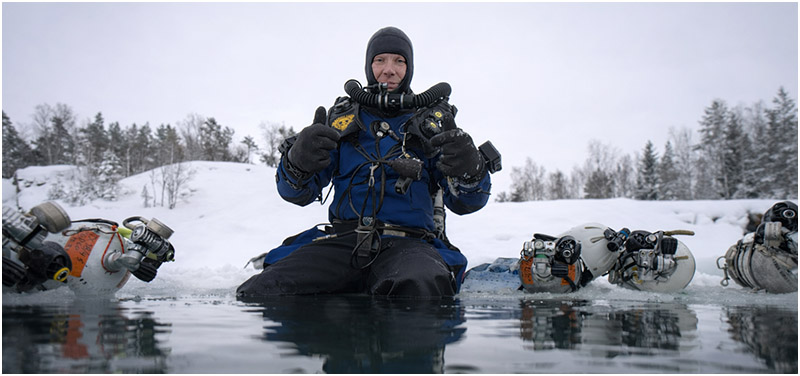
The wrecks of the Gulf of Finland quickly became his focus. Cold, dark, and historically rich, they offered endless exploration—but also limitations. Winter ice made access unpredictable, pushing him inland and underground. Mine diving became a natural extension of wreck exploration, and with it came a steady progression toward more advanced and technical forms of diving.
Training followed training. By 2005, Patrik had taken his first major step into closed-circuit diving with the purchase of an AP Inspiration rebreather. Cave courses followed, then deeper specialization on CCRs, leading to global cave exploration and experience across a wide range of rebreather platforms. Today, he dives the JJ-CCR, Liberty, and KISS Sidewinder—tools chosen not for fashion, but for function and familiarity earned over thousands of hours underwater.
More recently, another layer was added to his diving. A few years ago, a camera bought from a dive buddy became a constant companion. What began as practice evolved into purpose, and underwater photography is now part of almost every dive. Shooting with a Sony A7R II and powerful video lighting—primarily Era Underwater 50,000-lumen units, supported by smaller BigBlue lights—Patrik documents environments that few ever see firsthand.
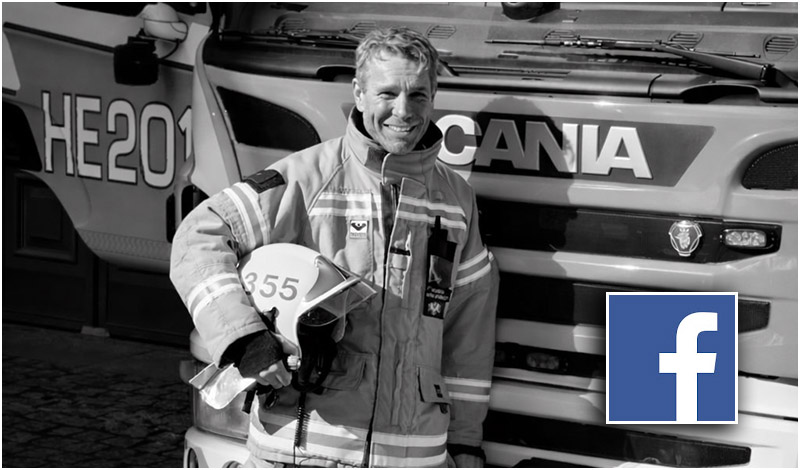
Above the waterline, his life has been equally defined by responsibility and service. Since 2001, he has worked as a firefighter with the Helsinki Rescue Department, a profession that mirrors many of the values found in technical diving: preparation, discipline, teamwork, and calm decision-making under pressure.
(Click Images to Enlarge)
Above:
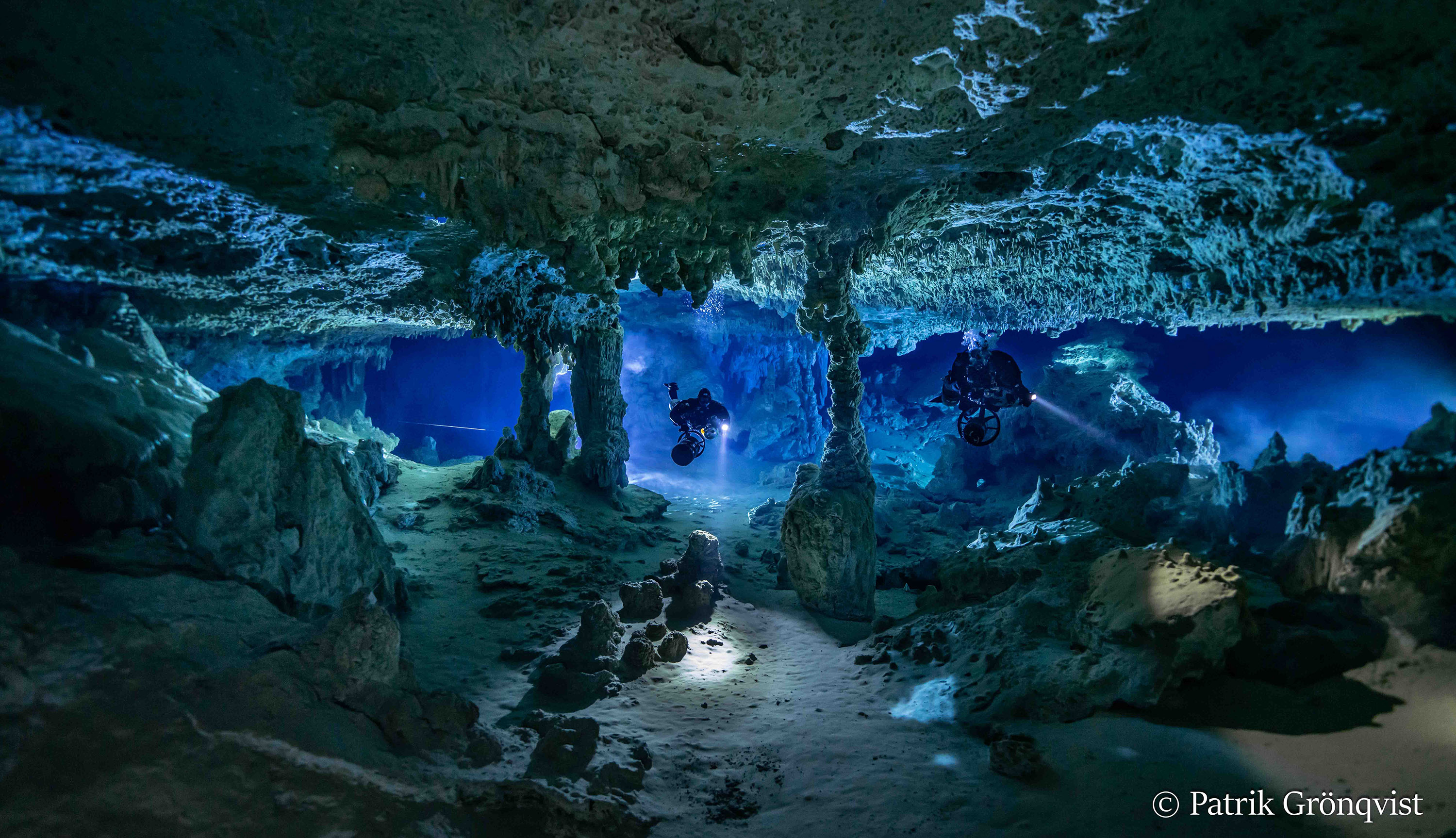
Cenote Jailhouse, Tulum, Mexico — At 25 m depth, divers glide through the electric-blue saltwater section beneath sculpted limestone columns. Once an obscure sinkhole, Jailhouse was opened and mapped by pioneering cave explorers as part of the Ox Bel Ha system, revealing one of the region’s most striking halocline transitions and deep saltwater passages. Divers: Rubén Castillejo, Argote César Abad
Below:
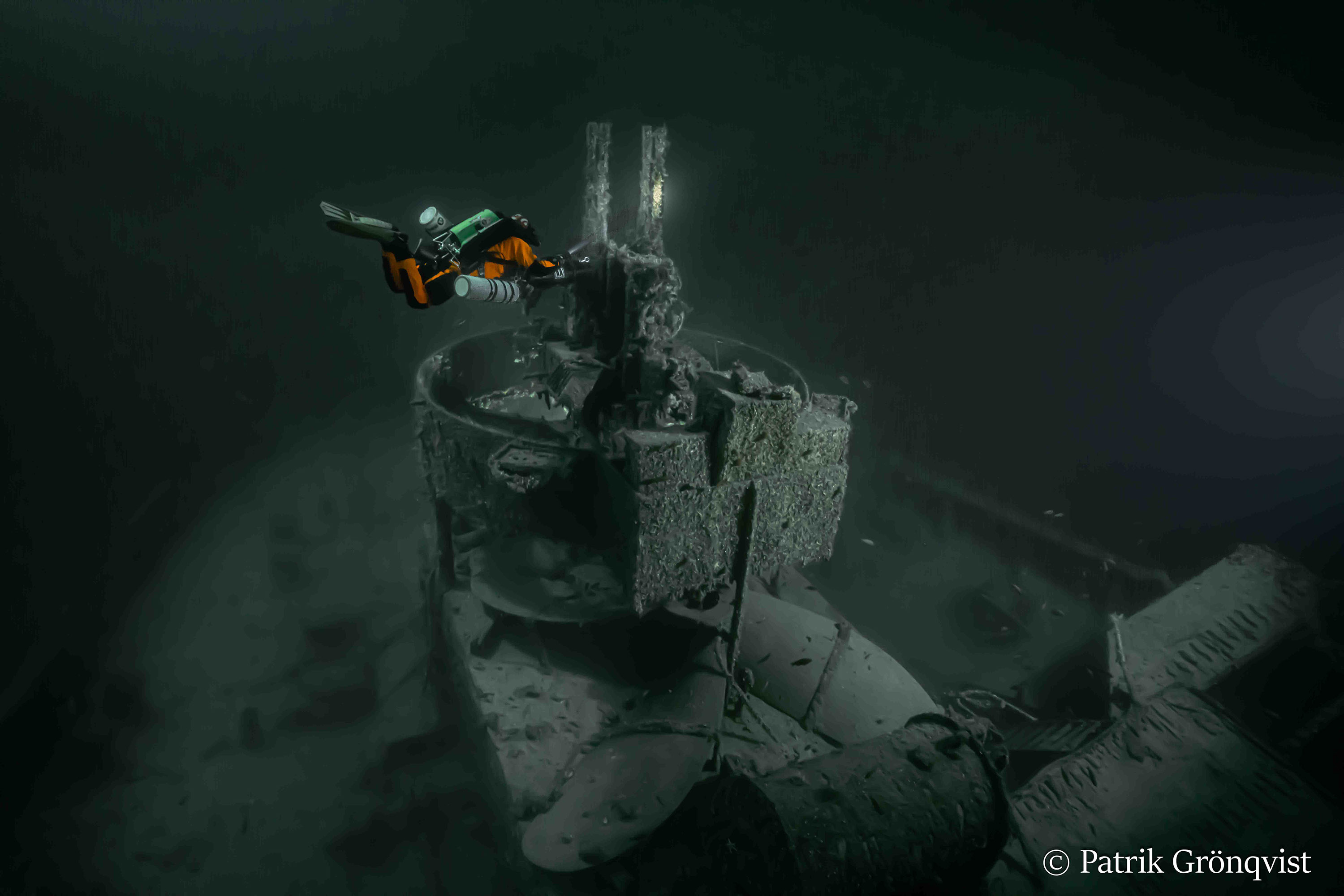
Odin — A diver hovers over the shattered superstructure of the Odin, a German cargo vessel lost in 1944 after striking a mine while approaching the iron-ore port of Narvik during the final year of World War II. Resting upright at 65–75 metres, the wreck lies preserved in cold, dark water—its guns, deck fittings, and scars of violence frozen in time, a stark reminder of the strategic importance of Narvik and its deadly wartime shipping lanes.
Divers: Antti Apunen Lightman 1: Toni Koivuniemi Lightman 2: Kalle Hakala
Above:
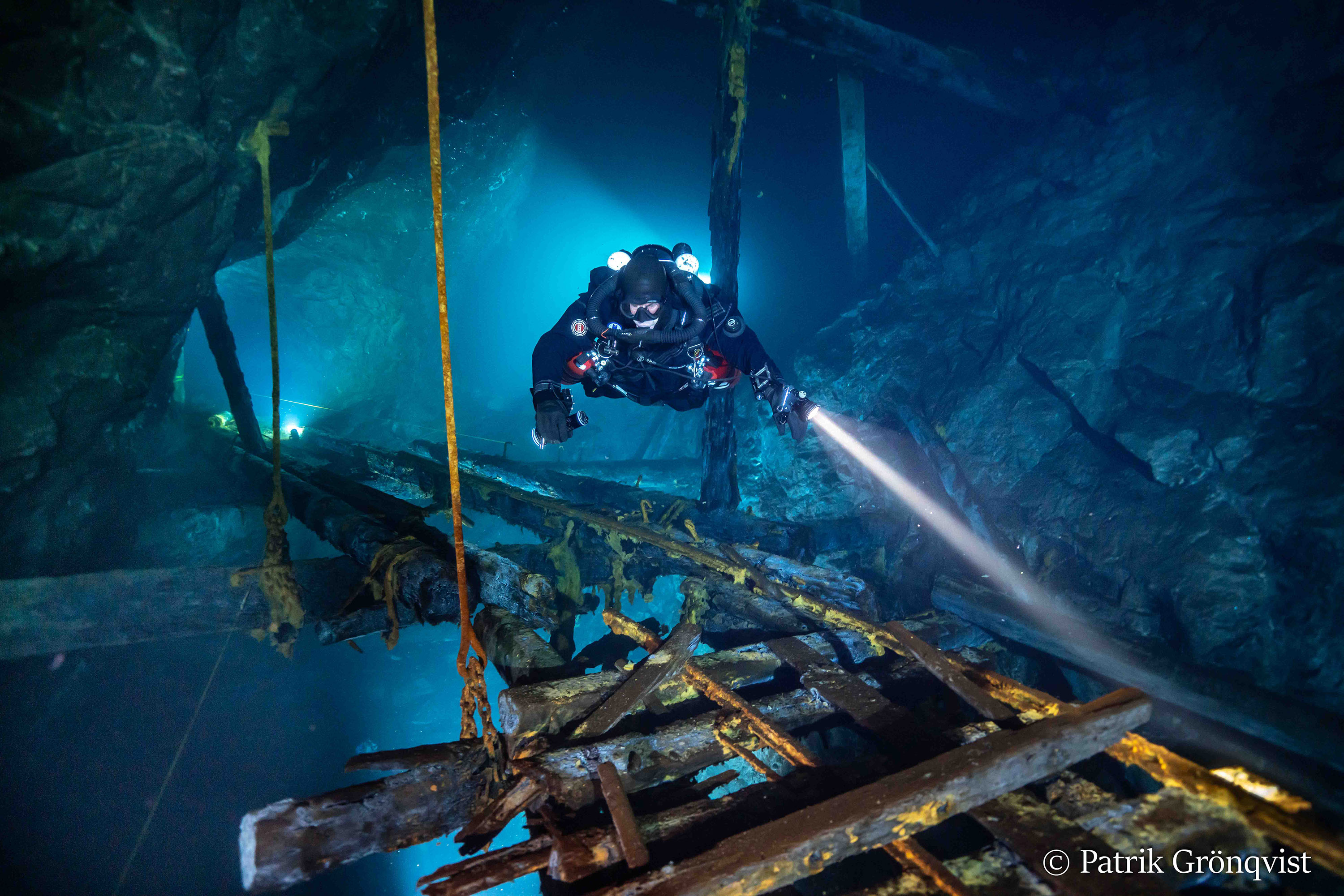
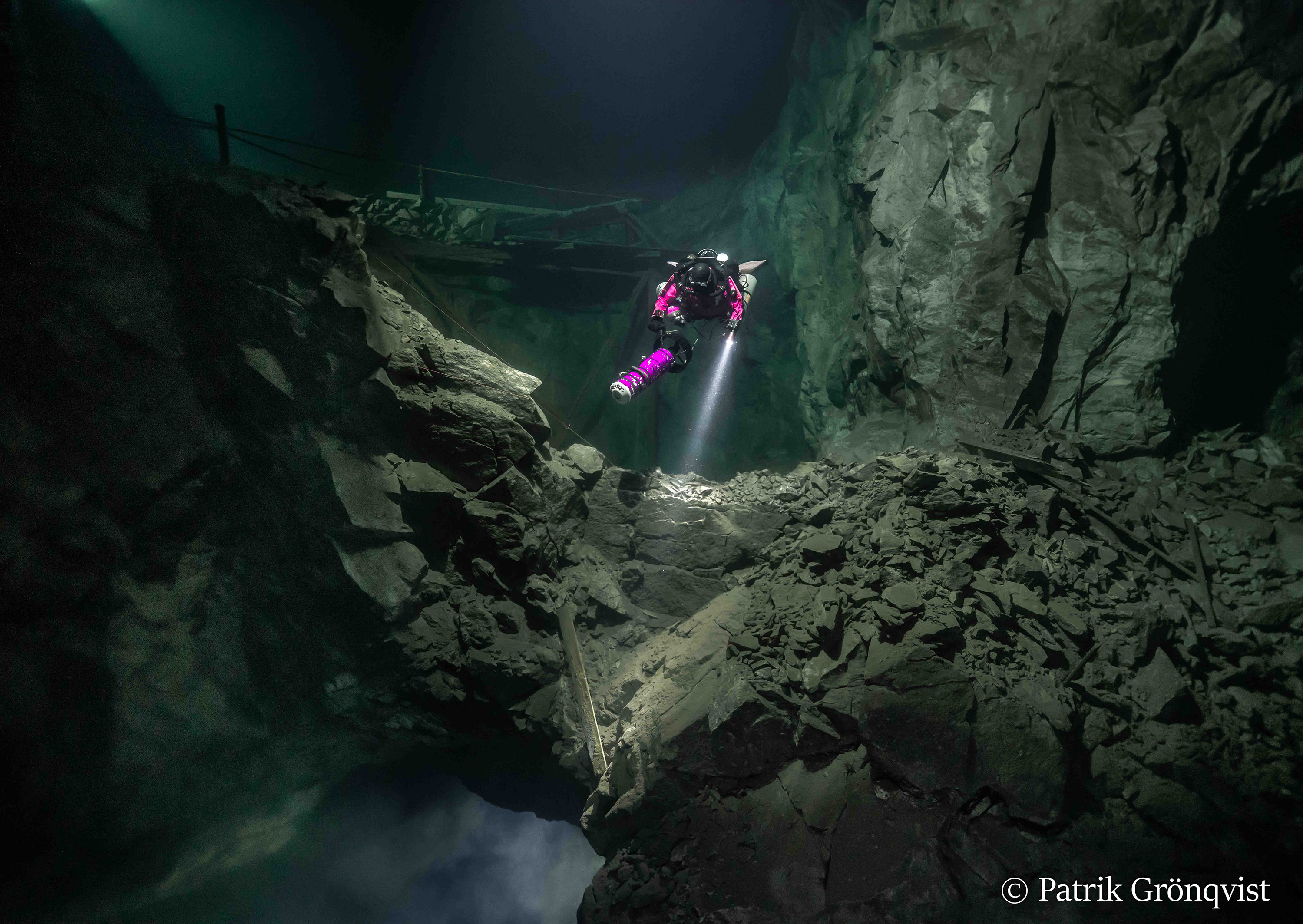
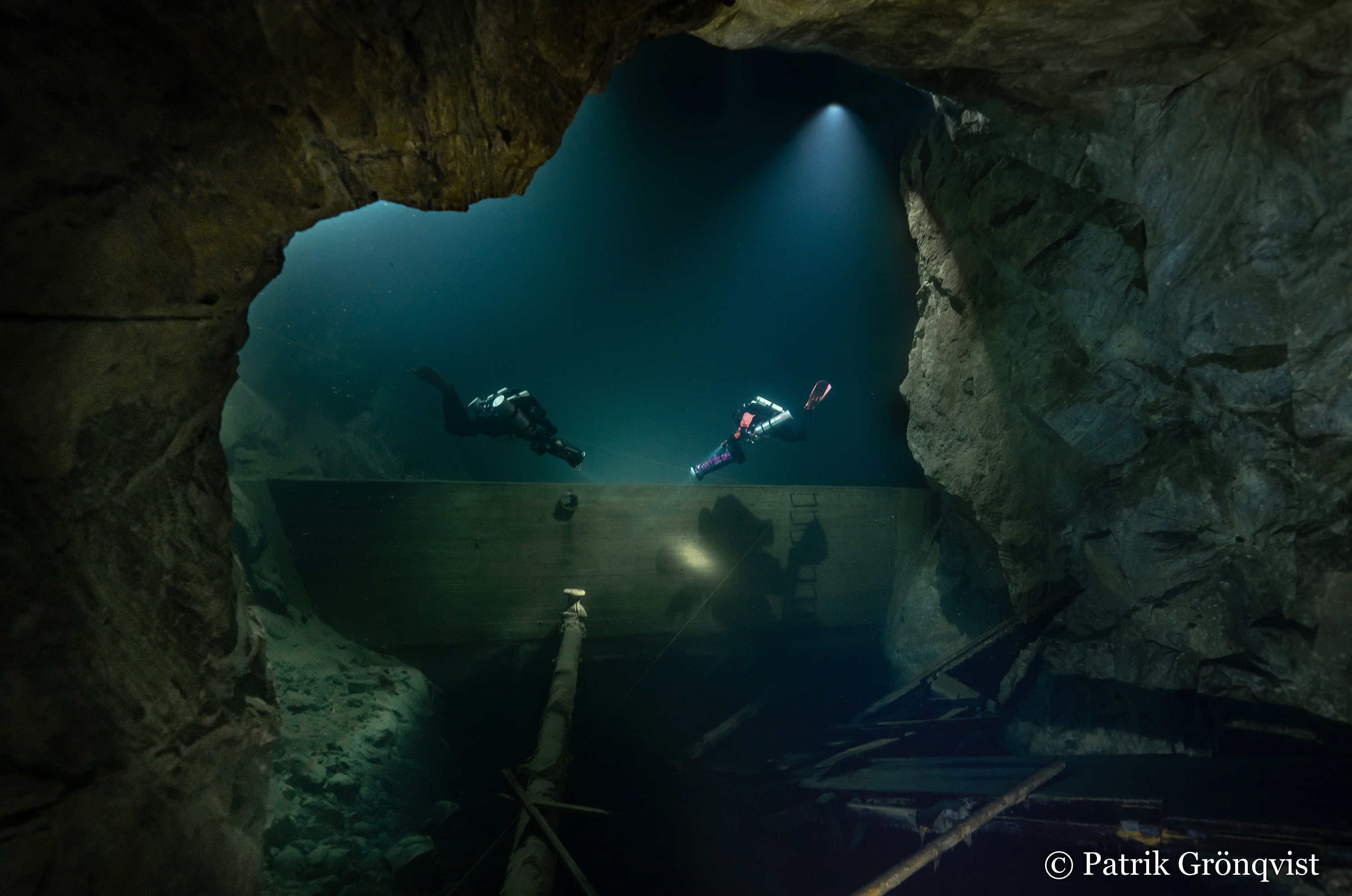
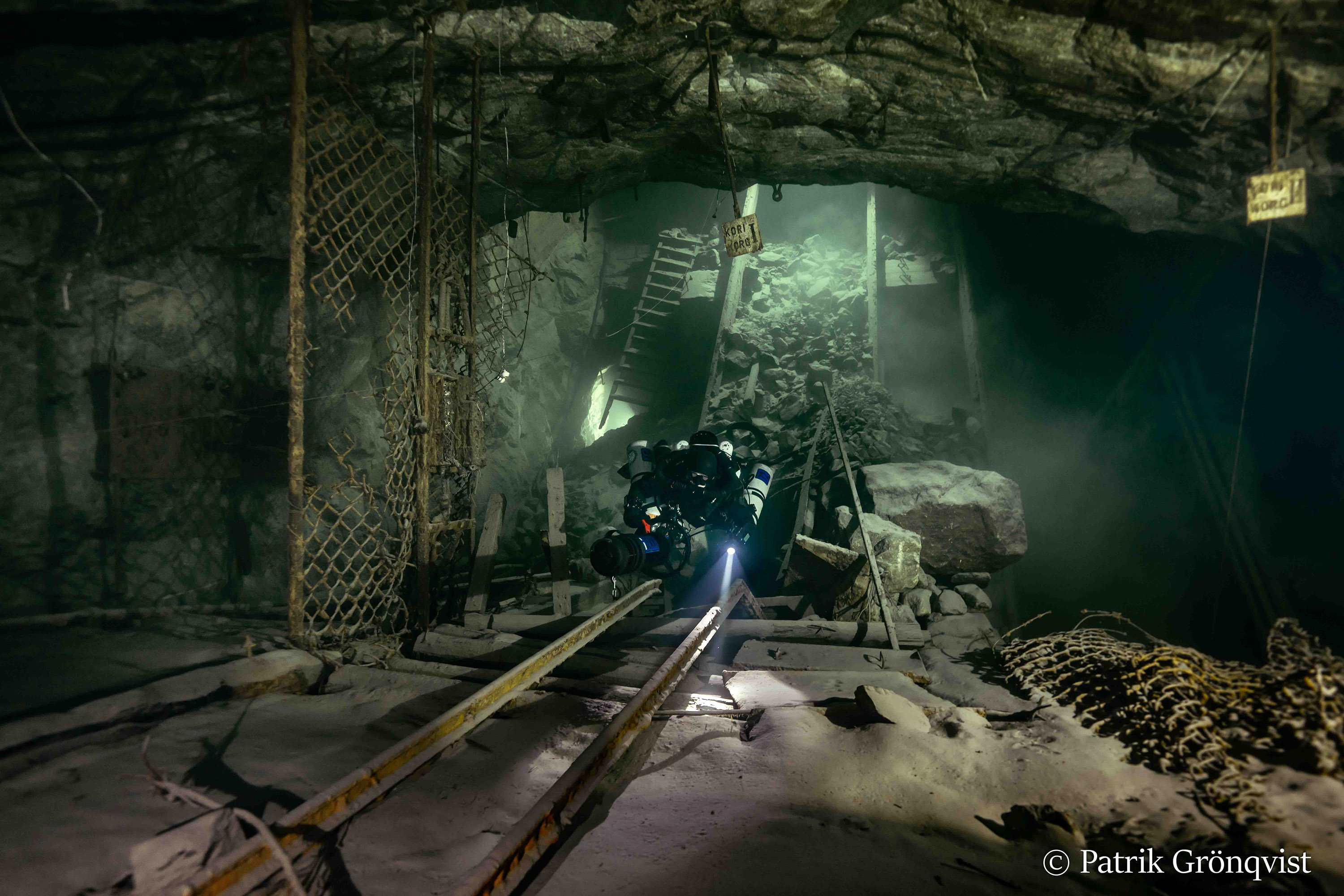
Björnbron, Långban Mine — Sweden — At 60 metres depth, a technical diver passes beneath Björnbron, an old rock-cut rail cart bridge left in place to carry ore trains across an open void inside the Långban Mine. The solid stone span once supported heavy mine rail traffic, while the collapsed timbers, rails, and cables below mark the remains of the transport system that fed this deep industrial complex. Now submerged, the bridge stands as a striking example of underground mining engineering, where precise buoyancy and controlled movement are essential beneath the overhead environment.
Diver: Andreas Petersson
Lighting: Gerry Lundgren, Daniel Bergström, Philip Stenqvist
Below:
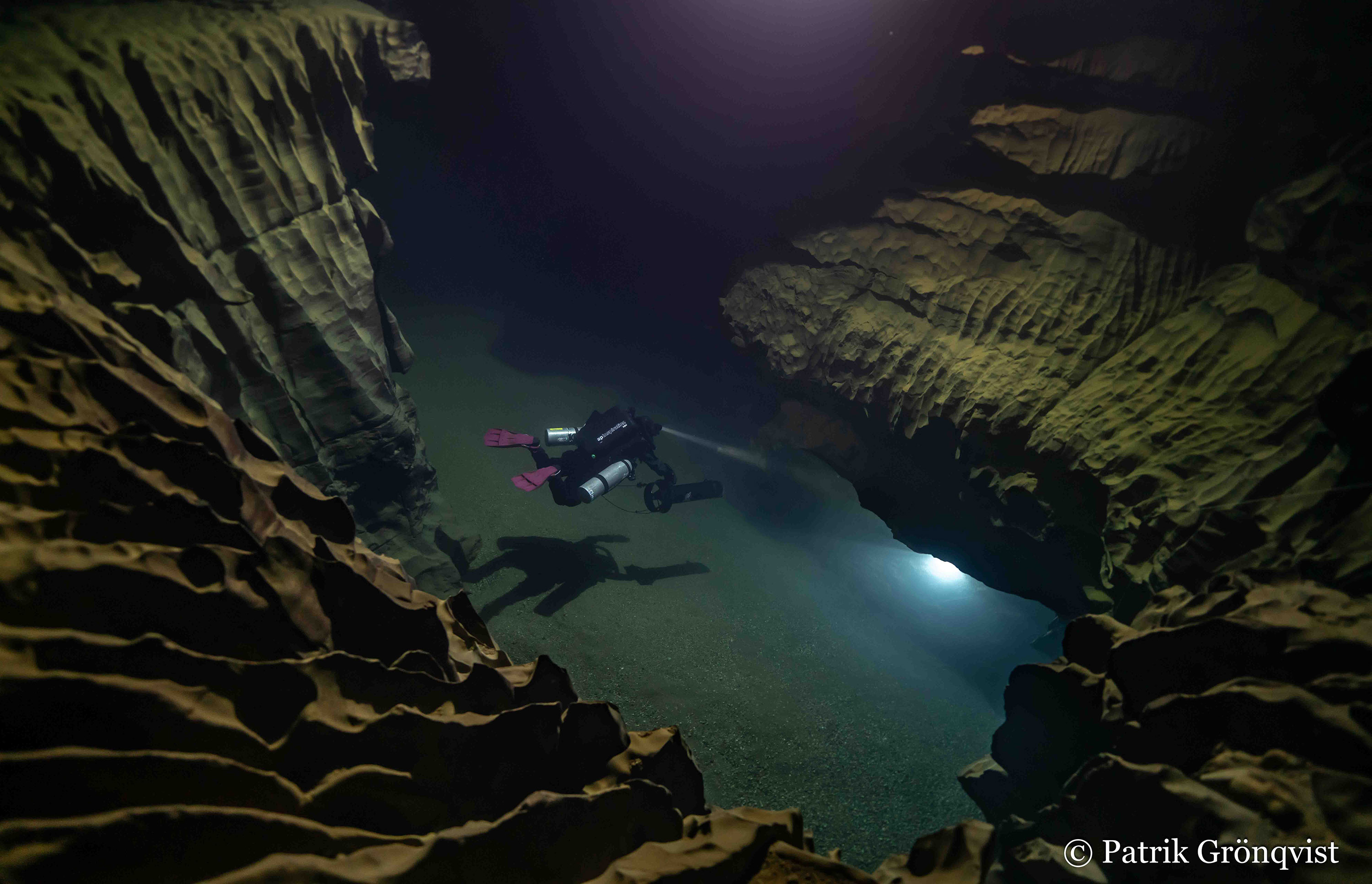
Landenouse Cave, France — At approximately 75 metres depth inside the vast submerged galleries of Landenouse, a diver glides through sculpted limestone formations, illuminated by carefully placed light. With passages dropping to a maximum depth of 120 metres, Landenouse remains one of France’s most demanding and compelling cave systems.
Model: Johan Asplund
Lighting: Kalle Hakala
Above:
Montola Mine – “Sacrificial Altar” – At 45 m depth, a diver hovers above the collapsed rock formation known as the Sacrificial Altar, where fallen stone drops away into darkness. Montola is a flooded hard-rock mine, excavated deep into Finnish bedrock during the 20th century and later abandoned, allowing groundwater to reclaim its shafts and stopes. In 4 °C water, precision buoyancy and light discipline are essential as the mine’s vertical geometry, old workings, and unstable rubble define both the beauty and the risk of this site.
Diver: Laura Tuominen
Lighting: Toni Koivuniemi & Kalle Hakala
Below:
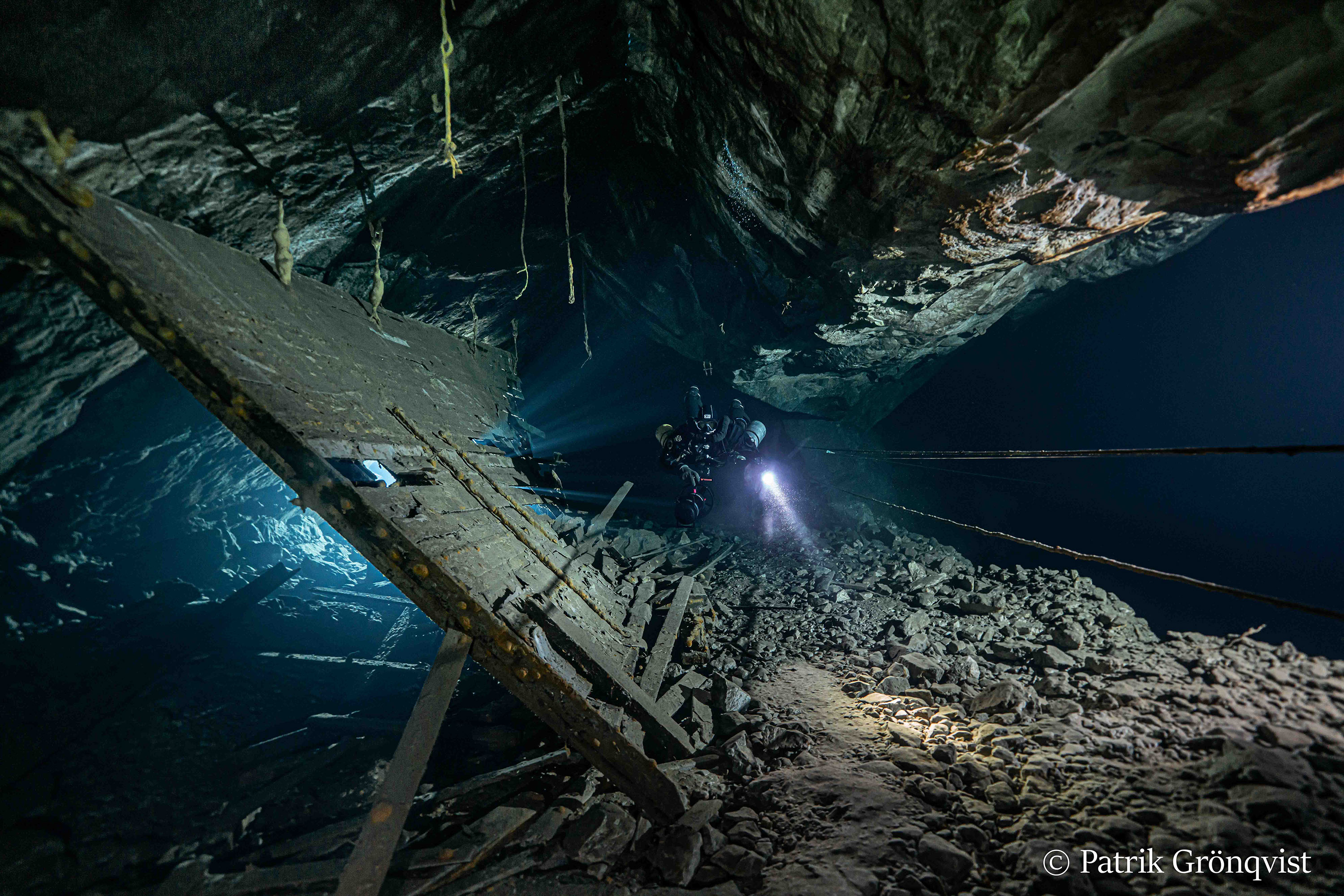
Ojamo Mine – 58 m Level, Connection Aisle – At the 58-metre level of the flooded Ojamo mine, a diver passes through a collapsed connection aisle where broken rock, fallen timbers, and hanging cables testify to decades of industrial use before abandonment. Ojamo was once one of Finland’s most significant limestone mines, supplying raw material for cement production throughout the 20th century. When operations ceased and pumping stopped, the mine gradually flooded, preserving haulage routes, stopes, and access corridors beneath cold, dark water. In 4 °C conditions, careful buoyancy and controlled propulsion are critical as fragile sediments and unstable structures surround the passage.
Diver: Ruben Castillejo Argote
Lighting: Mika Tanninen, Sami Paakkarinen
Above:
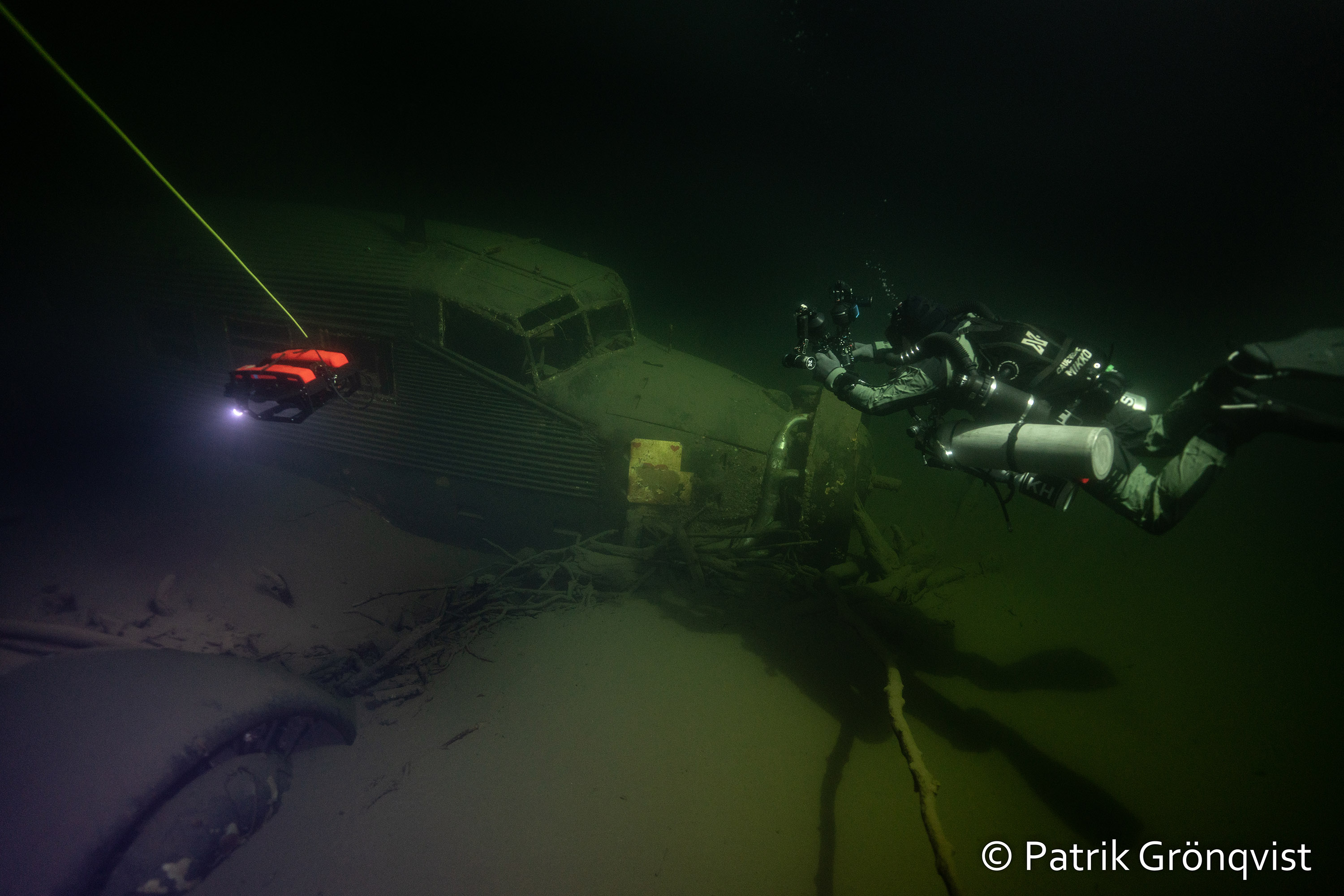
Junkers Ju 52 Cargo Aircraft, Lake Hartvikvatnet, Norway — Resting at 75 metres depth, this German Junkers Ju 52 lies preserved in the cold, dark waters of Lake Hartvikvatnet. During the Siege of Narvik, the Luftwaffe used the frozen lake as a makeshift airfield, flying in weapons and ammunition to support operations. Caught off guard by the arrival of spring, the ice melted before all aircraft could depart, condemning several Ju 52s to the lakebed where they remain today as silent witnesses to the campaign.
Model: Mikko Paasi
Lighting: Kalle Hakala
Below:
Abandoned Mine, Southern Finland — Narrow passages painstakingly excavated by hand lead through this small but intricate mine. Rich in fine details and textures, the site offers a striking visual experience despite the often-limited visibility. The image was taken at 47 metres depth, where light carefully reveals the craftsmanship of the original excavation.
Divers: Laura Tuominen & Jenni Westerlund
Lighting: Toni Koivuniemi
Above:
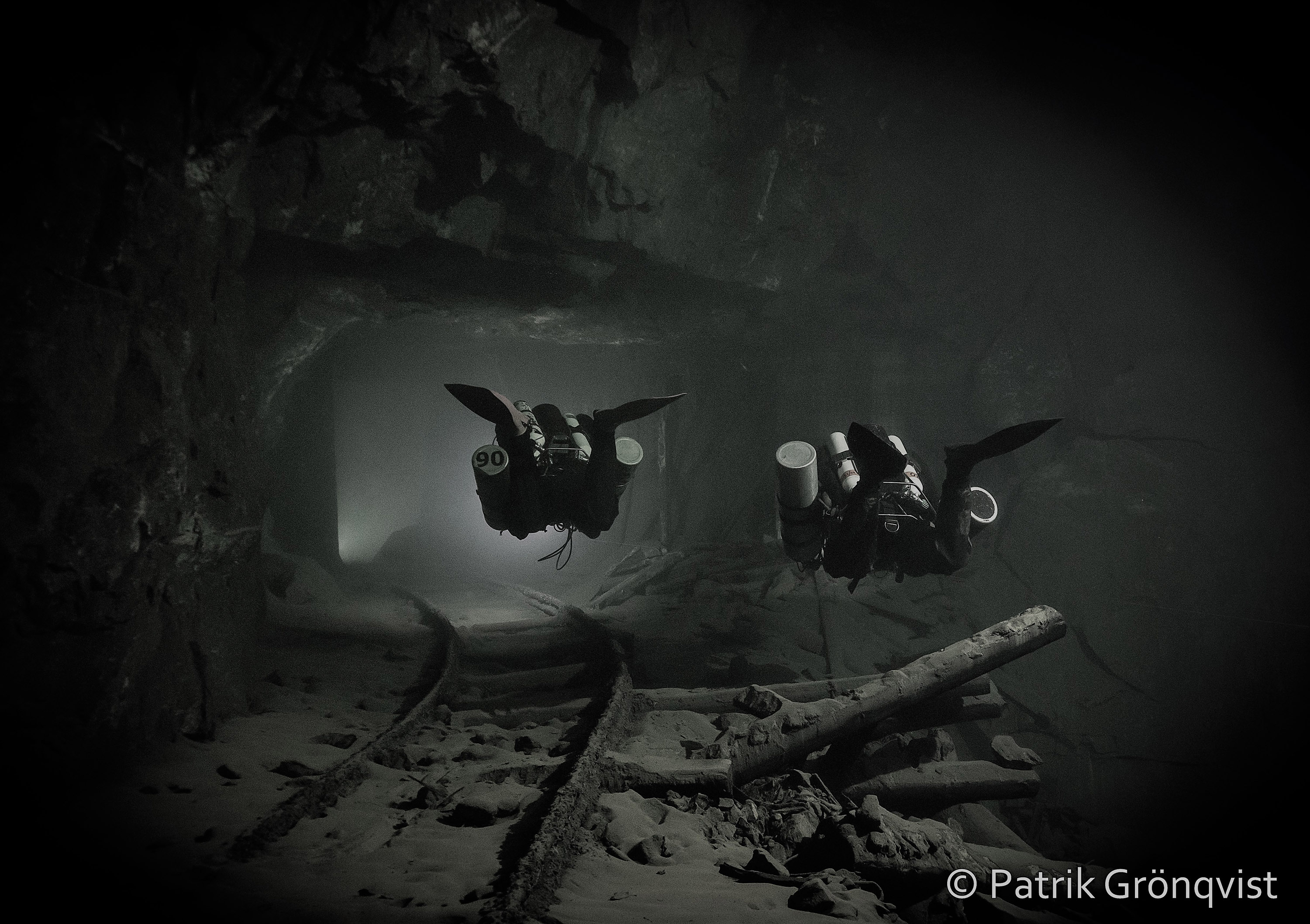
Montola Mine, Montola Mine — Finland — At the 90-metre level of the flooded Montola Mine, two technical divers move through a vast, silent chamber where industrial geometry meets raw bedrock. Illuminated beams reveal steep rock walls, collapsed mine debris, and the immense scale of the excavation, emphasizing the depth and isolation of this cold, overhead environment. At 4 °C, the water preserves both the mine’s structure and its atmosphere, while precise buoyancy and controlled movement are essential at this extreme depth.
Models: Laura Tuominen, Pekka Palokorpi
Lighting: Kalle Hakala, Toni Koivuniemi
Below:
Montola Limestone Mine, Central Finland — Two technical divers descend through the vast, flooded heart of the Montola mine, dwarfed by an enormous rock crusher that once formed a key part of the site’s industrial operation. The scale of the machinery and surrounding structures reveals the ambition of early 20th-century mining, now frozen in time beneath cold, clear freshwater. At the bottom of the image the depth reaches 145 metres, while the top of the frame sits at 135 metres, illustrating the sheer vertical relief inside this submerged industrial cavern. With a water temperature of just 4 °C, precise buoyancy, discipline, and lighting are essential to safely navigate and visually document this extreme overhead environment.
Diver 1: Laura Tuominen
Diver 2: Antti Apunen
Lighting: Toni Koivuniemi & Kalle Hakala
Above:
Cenote Fenómeno, Mexico — A technical cave diver carefully approaches a fragile ceramic vessel left behind by the ancient Maya, resting undisturbed on the silty floor of this submerged passage. These pots, once used for ceremonial or domestic purposes, offer a rare and intimate connection to the people who entered these caves centuries ago, long before they were flooded. Today, the cenotes are silent archives of Maya culture, where archaeology and exploration intersect in total darkness. Precise buoyancy and controlled lighting are essential to document these artefacts without disturbing the surrounding sediment or history they represent.
Model: Antti Apunen
Lighting: Kalle Hakala
Below:
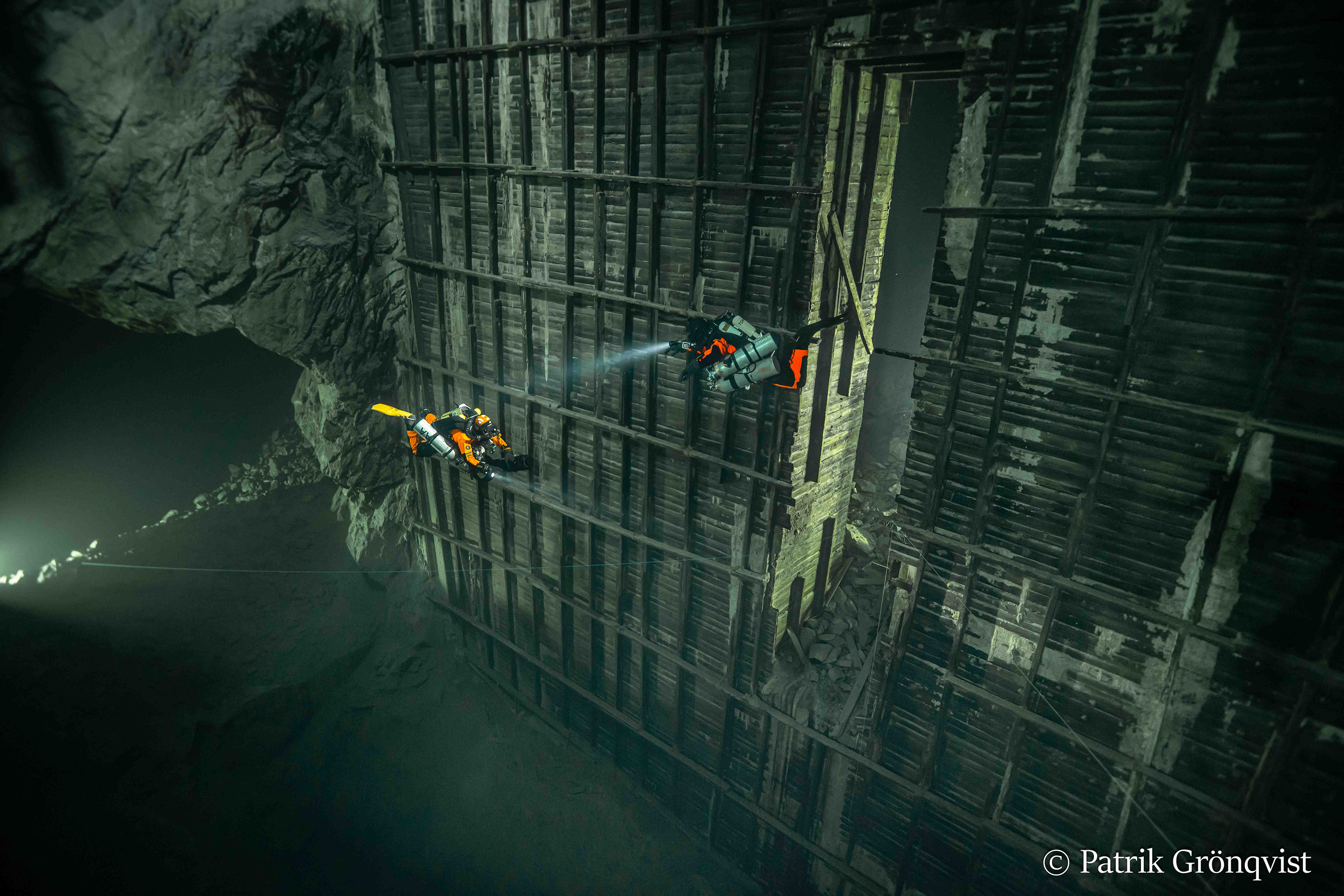
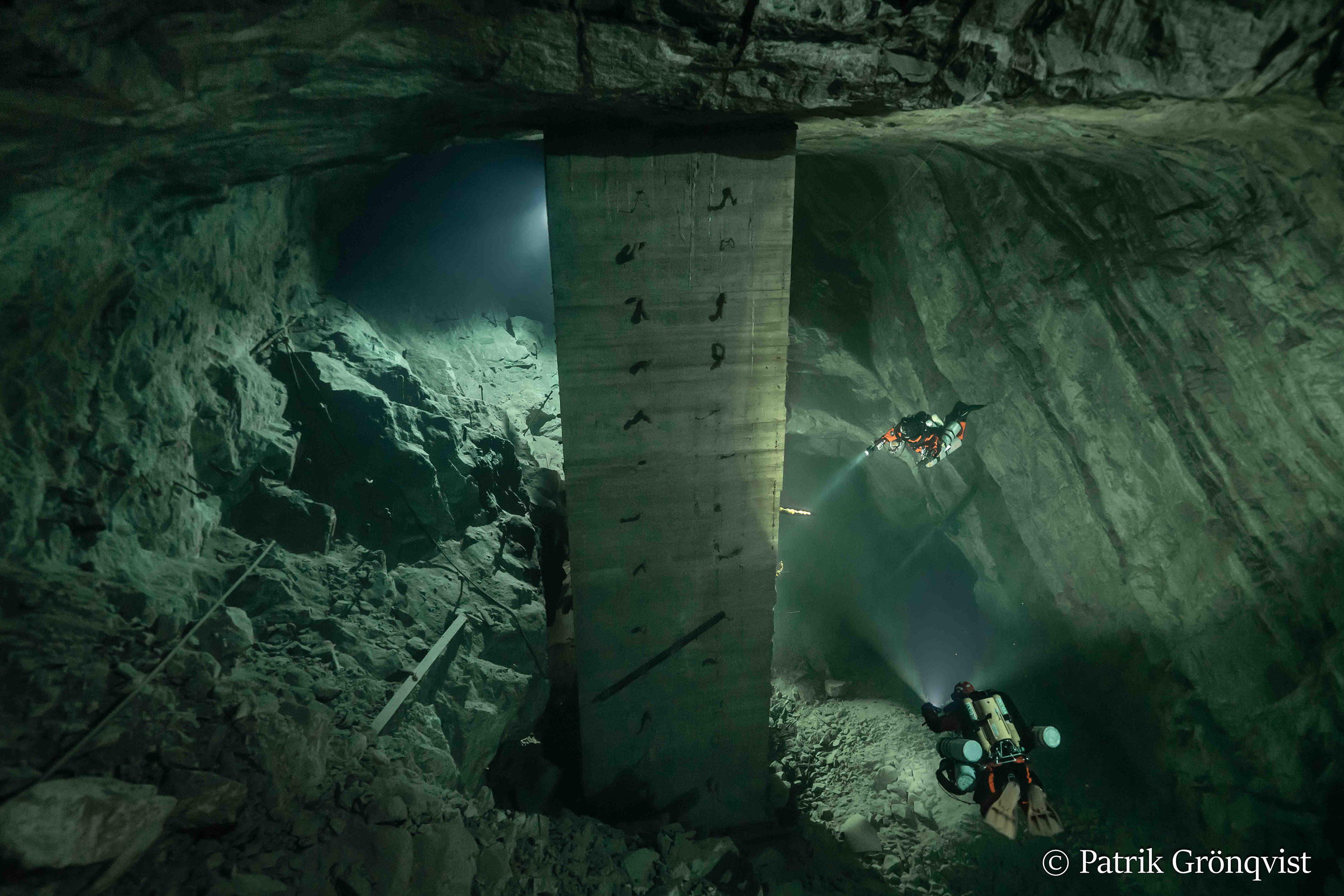
Ojamo Limestone Mine, “Hell’s Gate”, Finland — Two technical divers pass in front of the immense concrete structure known as Hell’s Gate, an imposing wall built deep inside the Ojamo mine to stabilize the rock after excessive excavation brought the workings dangerously close to Lake Lohja directly above. The scale and severity of the construction reflect the very real risk of collapse faced by the mine during its operational years. Located roughly 400 metres from the exit at a depth of approximately 40–55 metres, Hell’s Gate is one of the most dramatic and recognisable features of this flooded industrial labyrinth. With water temperatures hovering around 4 °C, careful planning, precise buoyancy, and powerful lighting are essential to safely explore and document this historic and unforgiving environment.
Diver 1: Antti Apunen
Diver 2: Tomi Weckman
Lighting: Petteri Nieminen & Mikko Mustonen
Above:
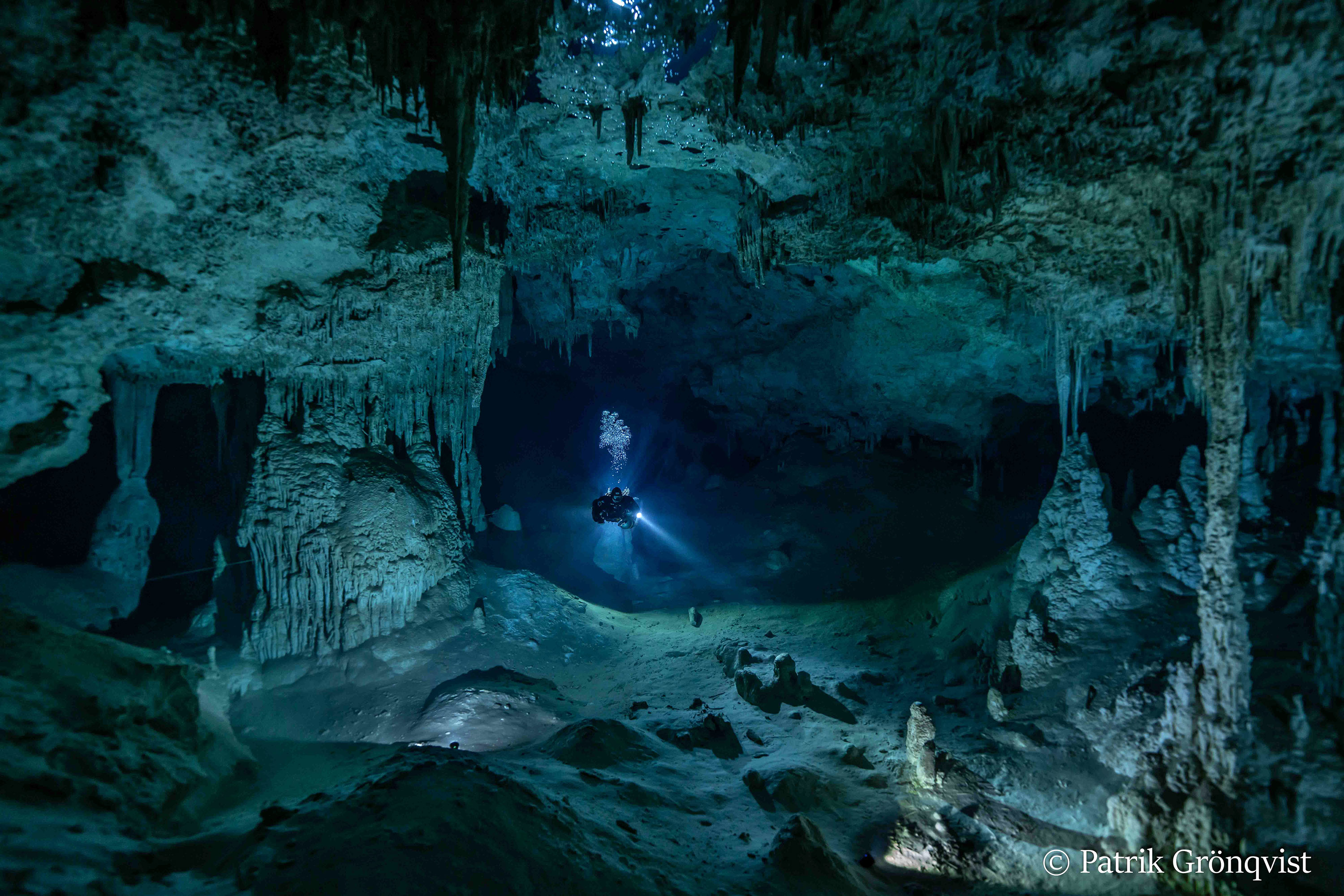
Nai Tucha, Koox Baal Cave System – Chemuyil, Mexico — Suspended in crystal-clear freshwater, a single cave diver moves through the vast chambers of Nai Tucha, illuminating a landscape shaped over millennia. Delicate stalactites hang from the ceiling while massive flowstone formations and sculpted limestone walls frame the passage ahead. The diver’s light cuts through the darkness, revealing depth, scale, and the pristine nature of this remote section of the Koox Baal system. Perfect buoyancy and precise propulsion are essential here, where even the smallest disturbance could break the stillness of this fragile underwater world.
Diver: Ruben Castiello Argote
Below:
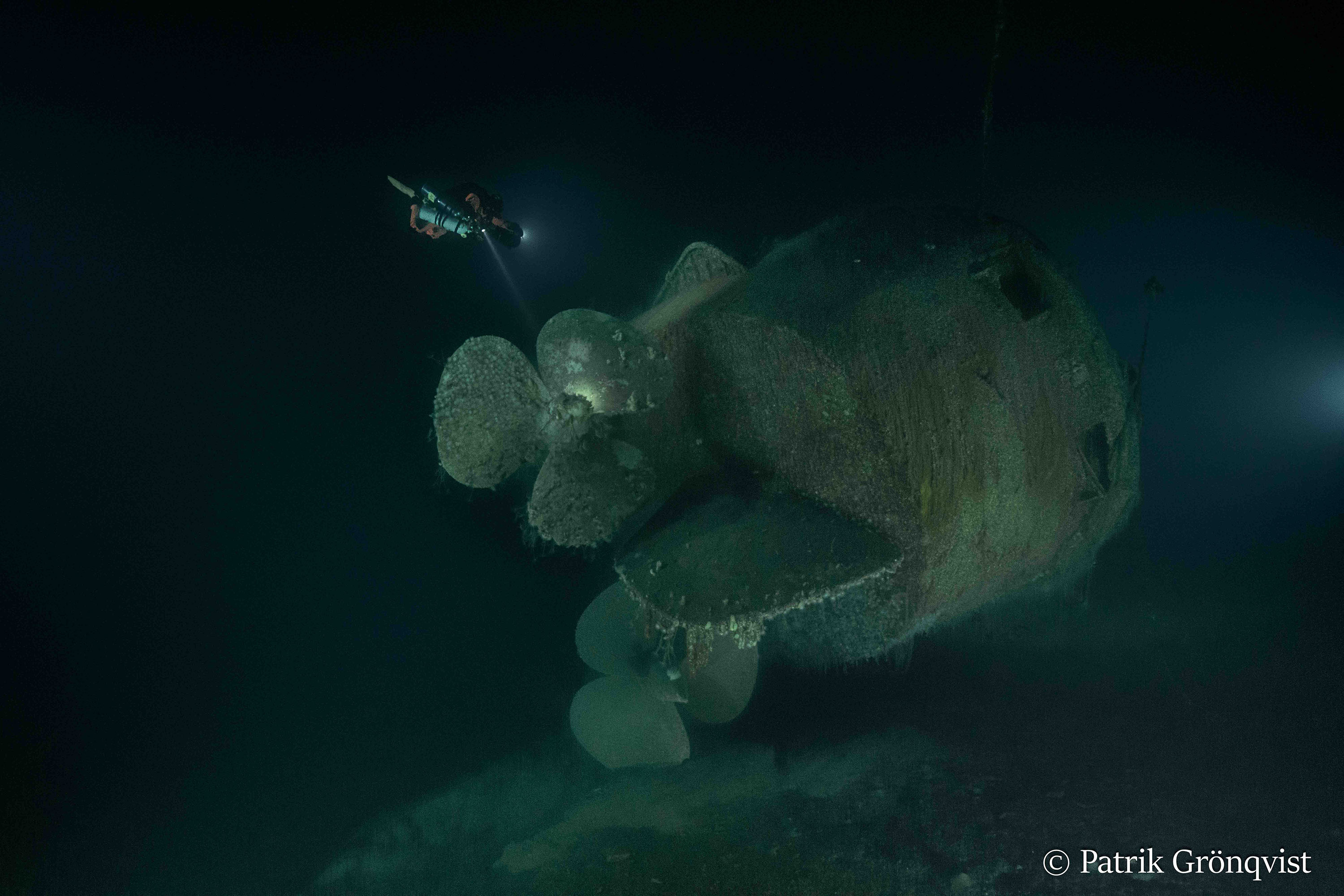
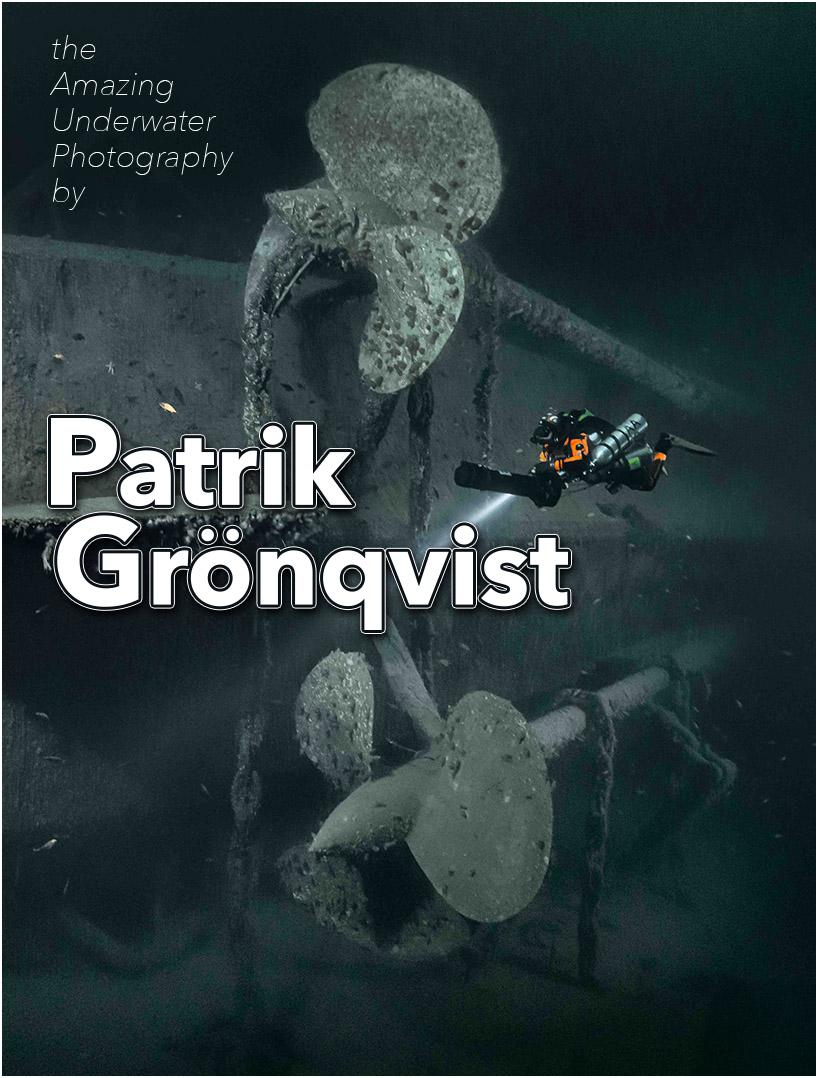
ORP Grom — Polish Navy Destroyer, Narvik, Norway — At a depth between 90 and 110 metres, a technical diver hovers beside the massive twin propellers of the Polish destroyer ORP Grom wreck, frozen in silence since the Battle of Narvik in 1940. Once among the most powerful destroyers afloat, Grom met her end after being struck by German air attack while engaging enemy forces in Ofotfjord. The enormous propellers, now coated in marine growth, speak of speed, power, and wartime urgency—contrasting starkly with the stillness of the cold Arctic water that now preserves the wreck as a war grave.
Model: Antti Apunen
Lighting: Toni Koivuniemi, Kalle Hakala
Above:
Lucifer’s Pillars — Two deep mine divers illuminate Lucifer’s Pillars, a colossal reinforced concrete column rising from the silted floor of Ojamo at approximately 60–75 metres depth. Measuring roughly 4 × 4 metres, the pillar stands directly beneath the ominously named Hell’s Gate, engineered to bear the immense weight of the rock above. Powerful video lights cut through the cold, clear water, revealing drill marks, fractured bedrock, and the stark geometry of human construction embedded within a vast subterranean void. The divers’ scale against the pillar emphasizes both the ambition of the original mining operation and the psychological weight of exploring such depth in total darkness.
Models: Antti Apunen, Tomi Weckman
Lighting: Petteri Nieminen, Mikko Mustonen
Below:
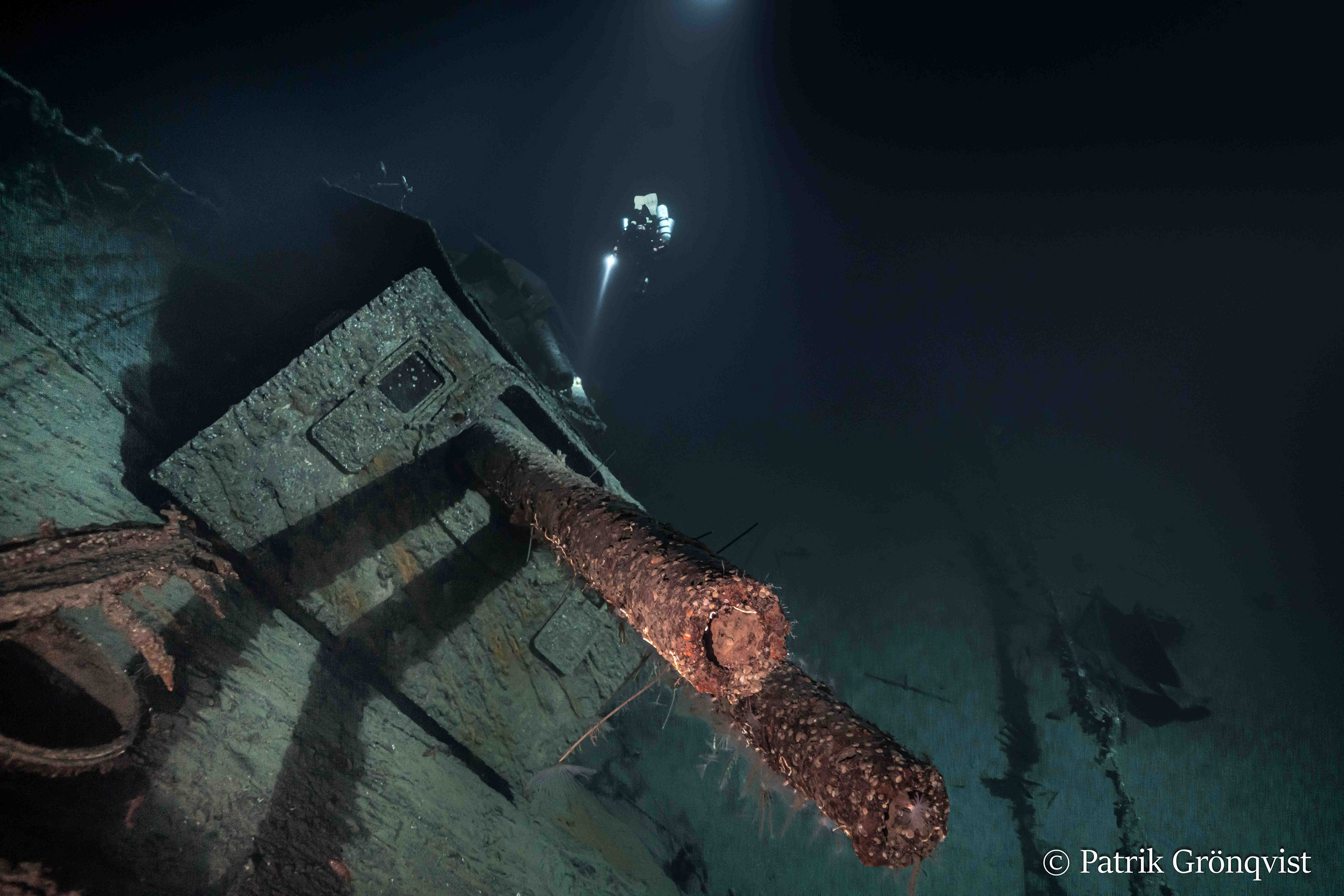
ORP Grom — Polish Navy Destroyer, Narvik, Norway — A technical diver pauses above one of the large deck guns of the Polish destroyer ORP Grom wreck, resting in the darkness of Ofotfjord at 90–110 metres depth. Once trained on enemy ships and shore positions during the fierce fighting of the Battle of Narvik in 1940, the gun now points into silence, its barrel encrusted with decades of marine growth. The scene captures the transition from wartime violence to stillness, as the wreck endures as a protected war grave in the cold Arctic water.
Model: Antti Apunen
Lighting: Toni Koivuniemi, Kalle Hakala


 The wrecks of the Gulf of Finland quickly became his focus. Cold, dark, and historically rich, they offered endless exploration—but also limitations. Winter ice made access unpredictable, pushing him inland and underground. Mine diving became a natural extension of wreck exploration, and with it came a steady progression toward more advanced and technical forms of diving.