Complacency can kill - Don’t let it happen to you!
I got back into diving in 2012 and started diving rebreathers in 2014. When I got certified, I began learning about some of the various ‘bucket list’ dive locations and added Truk to my personal list. In 2018, I was invited to join a CCR trip onboard Odyssey and jumped at the chance!
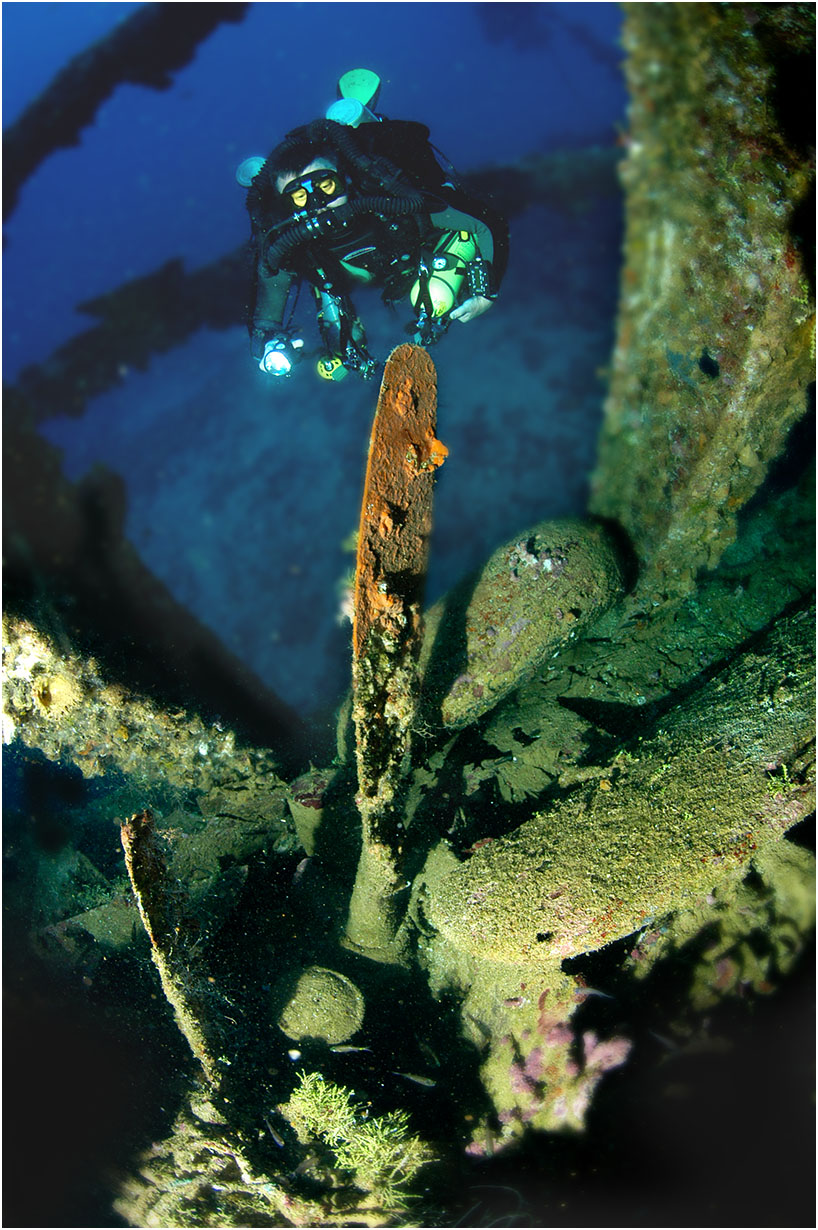
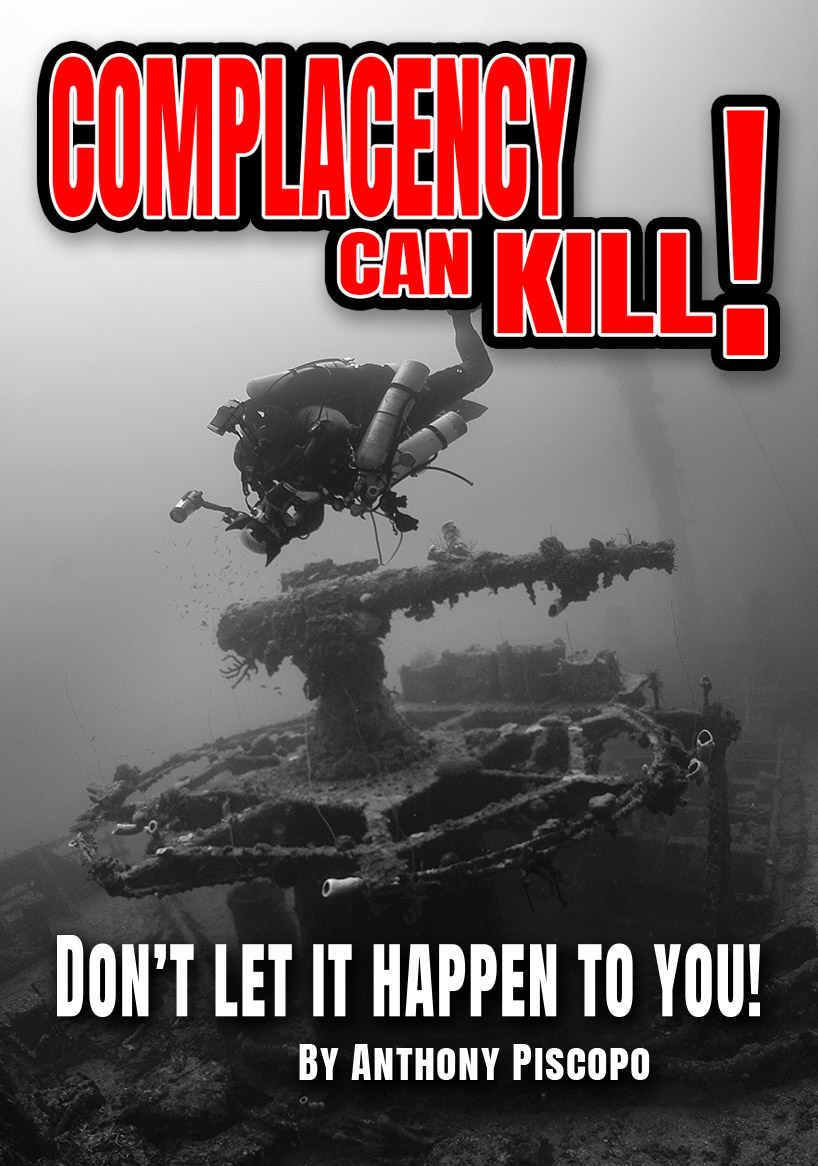
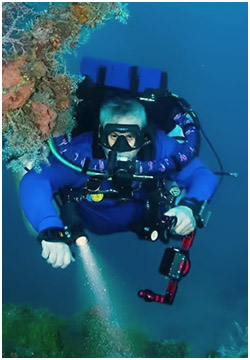
The dive was on the San Francisco Maru. This was one of the wrecks I really badly wanted to see during the trip, which means I guess I've got to schedule a return visit to do the dive again. I was in the second group jumping in the water. The short version of the incident is that I jumped in the water and was preparing to dive. I took a breath and felt dizzy. I stopped and took another breath and thought to myself, "I should get back on the boat!" The next thing I remember is waking up on the dive deck with people pounding on me and trying to jam a regulator in my mouth. I was able to get up and get inside to the AC. They put me on oxygen and brought me to the ER, where I spent a few hours sucking down oxygen, taking in an IV, and being poked, prodded, and tested. Once I was safe to be released, I went to a hotel by the airport and rested until it was time to go home.
Here's the timeline as given to me by one of the divers on the boat directly involved in the rescue:
850 Entry
855 Non-responsive at lift, jaw locked
903 On deck non-responsive, weak pulse, bowels released
905 Blue coloration and limp still, forcing oxygen with jaw forced open
908 White sputum, no blood, dark blue, tiny pupils, turned on side, pushing stomach and chest to balance forced oxygen intake
910 Signs of breathing, jaw releasing
920 Responsive and irritable, small amount of phlegm
935 Refusing oxygen, moved to air-conditioned room, bluish coloring
1000 Tired with slightly tight sternum, laying down, rotated again to side, able to breathe on demand oxygen
1010 Light sensitivity and nausea without vomiting
1030 Arrival at hospital, transported on oxygen from boat, demand regulator. IV installed with 0.9% sodium chloride. Low oxygen noted by finger monitor of 89, increased to 96 and monitor removed
1100 EKG completed and X-ray of chest. He was able to stand with assistance
1105 Complaining of cold and stiff on small gurneys. Wrapped in sheet and towel, resting
1110 Drowsy with pink hue returning to face
1210 Stood up and walked 10 steps to bathroom on own, light clear urine
1220 Complaining of mild headache, onset/increase about 10 min ago. Does not desire anything to eat at this time. Confirmed desire to stay away from all narcotics. Turned on side, drifting off to light sleep
1400 Checked into L5, resting in cool room, drank 1/3 bottle of water. Fruit smoothie, water, and diet coke in fridge. Urinated almost clear
Now that all that is up there, here's the nuts & bolts of what happened & why.
I had sent my unit in for annual service before the trip. Oxygen sensors were replaced, all the O-rings were replaced, first stages were serviced, all the hoses were replaced, and the latest upgrade to the unit was installed. I got the unit back but did not get an opportunity to dive the unit before packing it up for the trip. This was my first error. When we got onboard, I put the unit together and completed the assembly checklist. The next morning, before the first dive, my computer was not connecting to the unit. I disconnected the cable, wiped the connectors, and reconnected everything, and it worked. This problem reoccurred a number of times during the week. Error number 2. One of the first rules I was taught is very simple - never start a dive with a known issue. I did it anyway, kept an eye on it, and for the first 5 days everything was OK. Then came the morning of the dive. The first group splashed, followed shortly by my dive buddy. I grabbed my camera and put my Paralenz on the mask strap, and got into my gear. My buddy was in the water waiting for me, and I let myself start to rush. This is the next error, and where things really started to go bad fast. I opened the oxygen & diluent valves, verified my bailout was on, and checked my inflator. I put my loop in my mouth, went to the dive deck, and jumped in the water. The final error was that I did not verify my solenoid was firing. In my rush to get in the water, I breathed the PO₂ in my loop down to a level that would not support life. The computer was not connecting (again) to the unit, and the solenoid would not fire. In my rush to get in the water, I did not manually add O₂, and I did not notice my dropping PO₂.
The rest is history. My buddy saw me and called for help, and dragged me to the diver lift. The other divers on the boat pried my jaws open and forced as much oxygen as they could into my system until I started breathing again. They got me out of my gear and got me to the ER as fast as possible.
This specific incident took place on a CCR, but even open-circuit divers need to be diligent with their dive planning and pre-dive preparations. There are plenty of things that can go wrong with your equipment, both diving CCR and OC. Allowing yourself to skip vital pre-dive checks can lead to fatal consequences.
The only things that saved me from becoming a line on a crappy spreadsheet were the fact that I inflated my wing more than normal (since I had extra bailout) and the actions of the other divers on the boat. Had I been negative when I went in the water, or had my buddy and the other divers onboard not been attentive, I would not have made it home alive.
When I got back to the US, I sent the unit back to the factory. The computer was replaced and the unit fully checked out. Once everything was verified to be operational, I took it out on a few dives. Obviously, my pre-dive checklist was very thorough, I verified my solenoid was operating before even standing up to jump, and all systems were verified to be working properly.
In hindsight, I learned a great deal from this incident. My future pre-dive planning and checklists will be done with this incident in mind, and if it takes me 5 more minutes to get in the water, so be it. I've always been good about replacing cells, and before this I was normally much better about my pre-dive. The bottom line is that complacency can and will kill you if given the opportunity, and there may be little to no warning that it is coming. The difference between life & death is a single breath, and when I took the last breath and thought, "I should get back on the boat!" it never crossed my mind to just drop my BOV from my mouth and take a breath of fresh air. It seems so obvious now, but once I took that dizzying breath, my mind was unable to think of the obvious - there was no clear thought at all. All the training, all the skills practice, all the thoughts that "It will never happen to me" meant nothing; my brain simply did not tell me to do anything. There is very little time to react when things get to that point.
Don't let it happen to you.
Please note that I have left out the specific unit and the names of the others involved. The name of the unit is of absolutely no value here, since the human failures were of much greater significance. It could have been any unit and the scenario would not have changed. The other divers involved have my eternal gratitude; I can never repay them for saving me.
Update for 2025
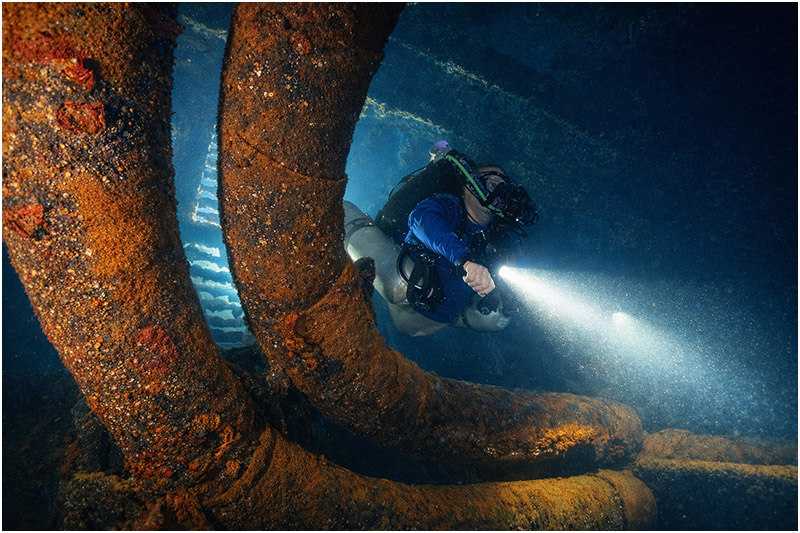
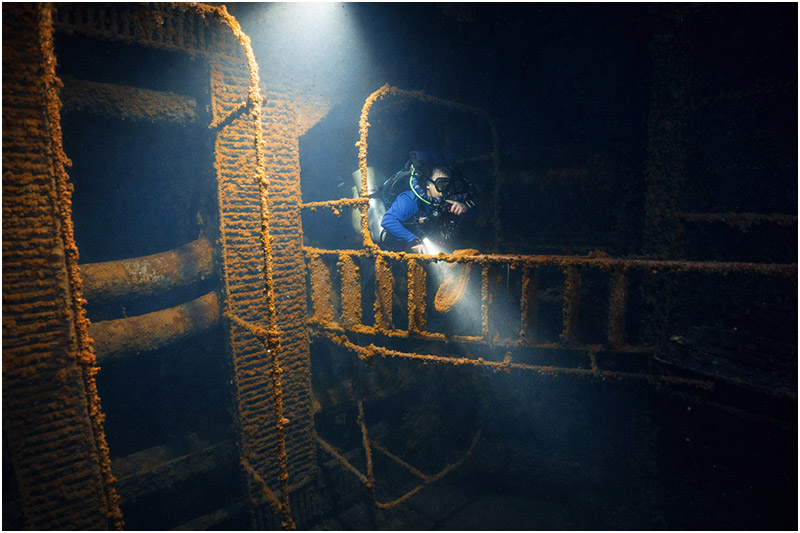
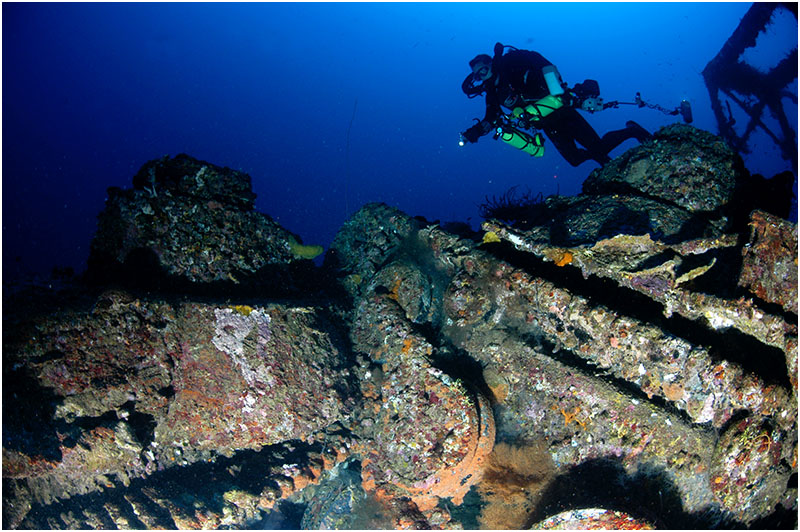
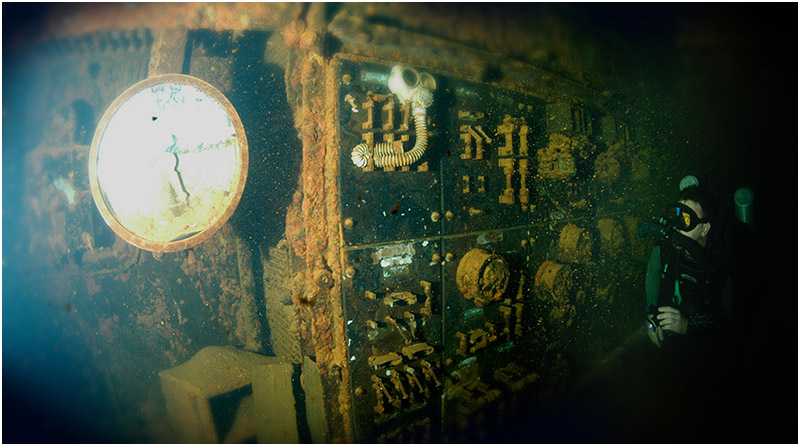
A lot has happened since 2018! The world survived a pandemic, I survived an ugly divorce without losing any dive gear, and I’ve had the opportunity to return to Truk twice. Both trips were for the deep weeks of Michael Gerken’s Rec-Tec trips, and both included full days on the San Francisco Maru. Standing on the dive deck, checking my rebreather for the tenth time (at least!), looking out over the calm blue water, I could not help but be very nervous and a little bit scared. My first descent to the wreck was without a problem, and getting down to see those Japanese mini tanks for the first time felt like no small victory.
One of the bucket list trips on my list has been Bikini Atoll to see the nuclear test fleet on the bottom of the atoll. In May 2025, I made the trip to Kwajalein and boarded the Pacific Master. Unfortunately, my rebreather did not arrive with me. Then, while we were doing our shakedown dives in Ebeye, the boat experienced issues with the engine controls. My rebreather arrived in time for the trip to be cancelled, and we all scrambled to rearrange our travel home. Master Liveaboards was awesome and rebooked me to an open spot on a trip in July.
Taking into account the lessons learned from the 2018 trip, I planned differently for this trip. I had my unit serviced and the factory replaced the oxygen solenoid. I installed new oxygen sensors and took it to Bonaire for a week of fun diving. Everything worked perfectly for the entire week. I packed for Bikini Atoll, and this time I carried on my rebreather and dive gear. When we arrived in Kwajalein, the bag that carried my clothes, toiletries, spare parts, and some minor dive gear had been left in Honolulu. A quick trip to the gift shop on Ebeye to buy two pairs of shorts and some necessities, and we were off for the 25-hour crossing to Bikini Atoll. The boat gave me a few T-shirts and lent me the items I needed to dive.
During the passage, I assembled my unit and set up my gear. During the assembly checklist, I discovered the oxygen was leaking internally. Once we arrived in Bikini Atoll and the internet was restored, I reached out to the factory for assistance. We checked and adjusted the first-stage regulator IP and a few other things as recommended by the factory technician. Nothing seemed to fix the problem. It was recommended to me to try a dive and see if I could manage the O₂ level manually (like a mechanical CCR unit). I did a quick pre-breathe, but the leak was in excess of what I would consume. I tried again submerged, hanging on the deco bar while kicking a bit to see if that helped. No luck. At this point, I started mentally reliving my first Truk trip. I didn’t want to end up in the same situation, 25 hours away from the nearest hospital. I didn’t want to ruin the trip for the other 12 divers on the boat. I didn’t want to take any unnecessary risks. The lessons from 2018 had been learned.
At this point, we decided to investigate on our own to see if we could fix it one last time before giving up. With the few tools on the boat and a bit of luck, we found the problem. We reassembled the head unit and went through a full assembly checklist. For the rest of the trip, everything worked perfectly. I did let the factory know what the problem turned out to be and how we fixed it. In the end, I missed one wreck completely and two dives on the USS Saratoga, but lived to dive another day!
What did I learn from all of these issues, or as my mom used to call them - “growth opportunities”? Obviously, diving is a sport, and it’s not worth taking unnecessary risks just for a dive. The wreck or reef or whatever will still be there when the problem is fixed. Pre-dive and assembly checklists are important. Many of the items in the checklists are the result of past incidents. Don’t start a dive with a known issue. Fix them before you dive. Once repairs are made, test your equipment before jumping in.
The best way to learn hard lessons is to learn from the mistakes of others. Most divers go through their entire dive career with only minor issues like bubbling O-rings or torn mouthpieces. Hopefully, stories like this, coupled with a good save-a-dive kit, will help keep you safe and let you enjoy future dives.


 The dive was on the San Francisco Maru. This was one of the wrecks I really badly wanted to see during the trip, which means I guess I've got to schedule a return visit to do the dive again. I was in the second group jumping in the water. The short version of the incident is that I jumped in the water and was preparing to dive. I took a breath and felt dizzy. I stopped and took another breath and thought to myself, "I should get back on the boat!" The next thing I remember is waking up on the dive deck with people pounding on me and trying to jam a regulator in my mouth. I was able to get up and get inside to the AC. They put me on oxygen and brought me to the ER, where I spent a few hours sucking down oxygen, taking in an IV, and being poked, prodded, and tested. Once I was safe to be released, I went to a hotel by the airport and rested until it was time to go home.