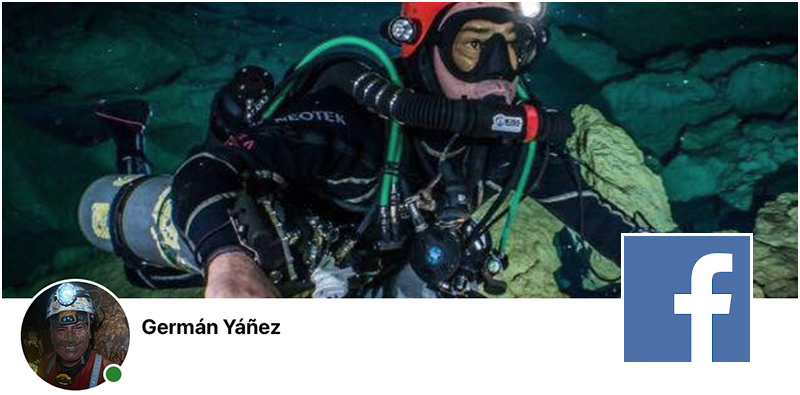
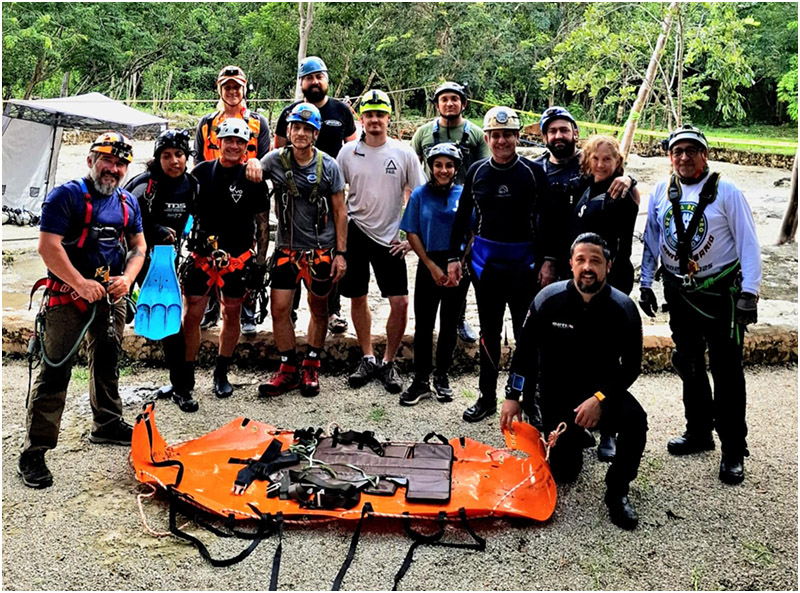
Photography by Germán Yáñez, Erick Sosa, and Kaleb Zarate
My Track
0:000:00
🔊
Audio Player: Let ADM read the editorial for you.
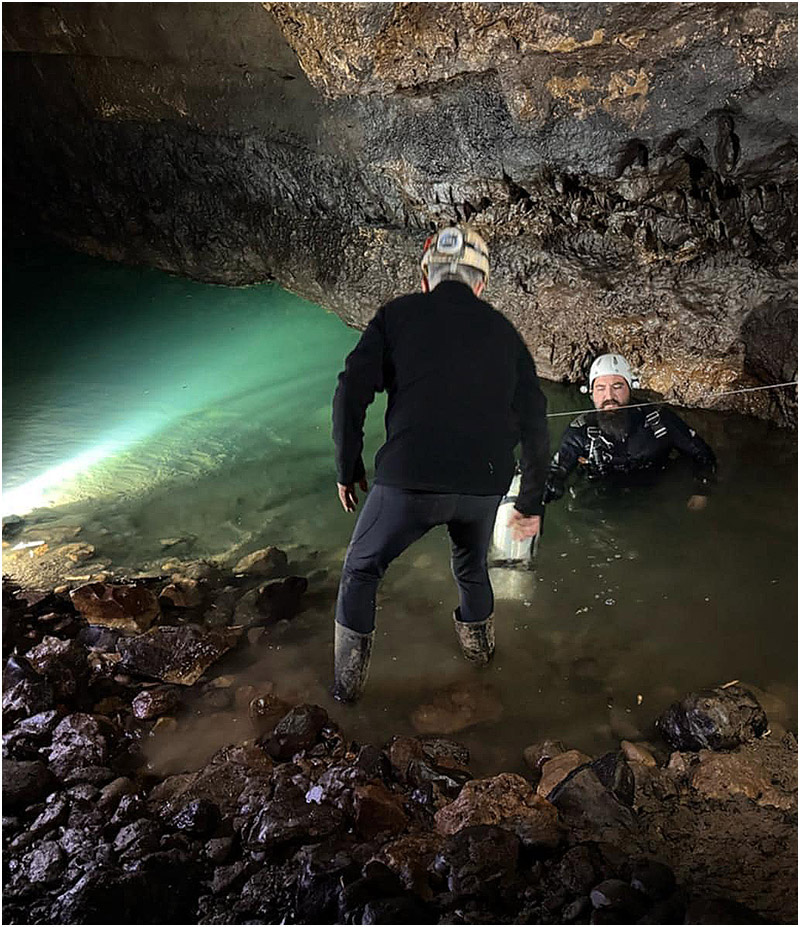
The Emergence of a New Global Discipline: Cave Rescue in Springs, Sumps, and Cenotes
Mexico has long been regarded as the Everest of caves—not only for its expansive dry systems but also for its vast networks of semi-flooded and fully submerged passages. The national cave registry now exceeds 10,000 documented systems—yes, well over ten thousand—recorded in both national and international databases.
Attracted by their beauty, scale, and complexity, explorers and divers from around the world continue to travel to Mexico to train and push boundaries underground. At the same time, a new generation of Mexican speleologists is emerging: some recreational, others scientific, and many dedicated to exploration. This exponential growth in participation inevitably increases the statistical likelihood of incidents, despite the significant advances in training and safety protocols.
A National Need Meets an Unfilled Gap
Civil protection authorities in Mexico include skilled personnel across multiple rescue specializations. Yet, to this day, there is no official governmental unit equipped or trained to conduct rescues—dry or submerged—inside complex cave systems.
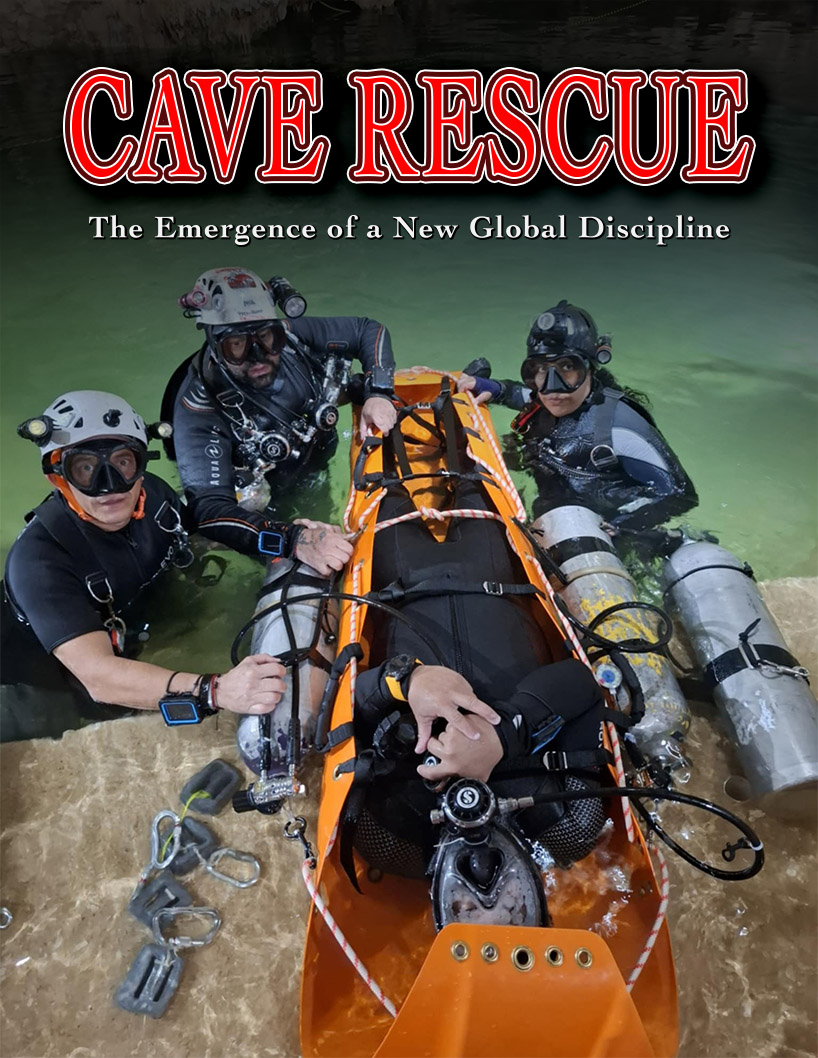
Recognizing this gap, the Federación Mexicana de Actividades Sub-acuáticas A.C(Mexican Diving Federation) and the Círculo Espeleológico del Mayab A.C(Speleological Circle of Mayab) have spent the past 17 years building a comprehensive national cave-rescue capability. Their work encompasses the development of underwater cave-rescue specialists, operational manuals, and certified national-level training programs prepared to respond in dry caves, sumps, sinkholes, springs, and cenotes.
A major milestone was recently achieved: the publication of the world’s first manual dedicated exclusively to rescue operations in submerged caves. It represents a turning point for the discipline and establishes Mexico as a global leader—standing shoulder to shoulder with historic powerhouses such as France and the United Kingdom.
Lessons from Four Decades of Incidents
Since the 1980s, more than forty known accidents and incidents have occurred in Mexico’s underwater and dry caves. Recoveries were conducted by experienced individuals, yet often without the standardized protocols required in modern rescue operations. Today, with formalized methodology and trained teams in place, Mexico has moved to the forefront of both dry and underwater cave rescue.
Incident Command Below the Waterline
Underwater cave rescue in Mexico operates under the Incident Command System (ICS), fully integrated with the country’s National Civil Protection framework. Depending on the severity and complexity of an event, teams may function under a general incident commander or—when warranted—under a specialized underwater cave-rescue commander. This distinction is critical: a commander in a submerged-rescue scenario must understand not only rescue logistics but also decompression considerations, sump topography, diver deployment strategy, and the limits imposed by underwater operations.
Click Thumbnail to Enlarge
Cave Rescue Video Clip
What a Real Rescue Requires
Every rescue begins with a technical analysis involving experts in:
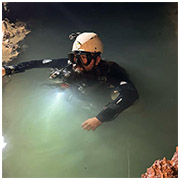
Cave diving
Speleology
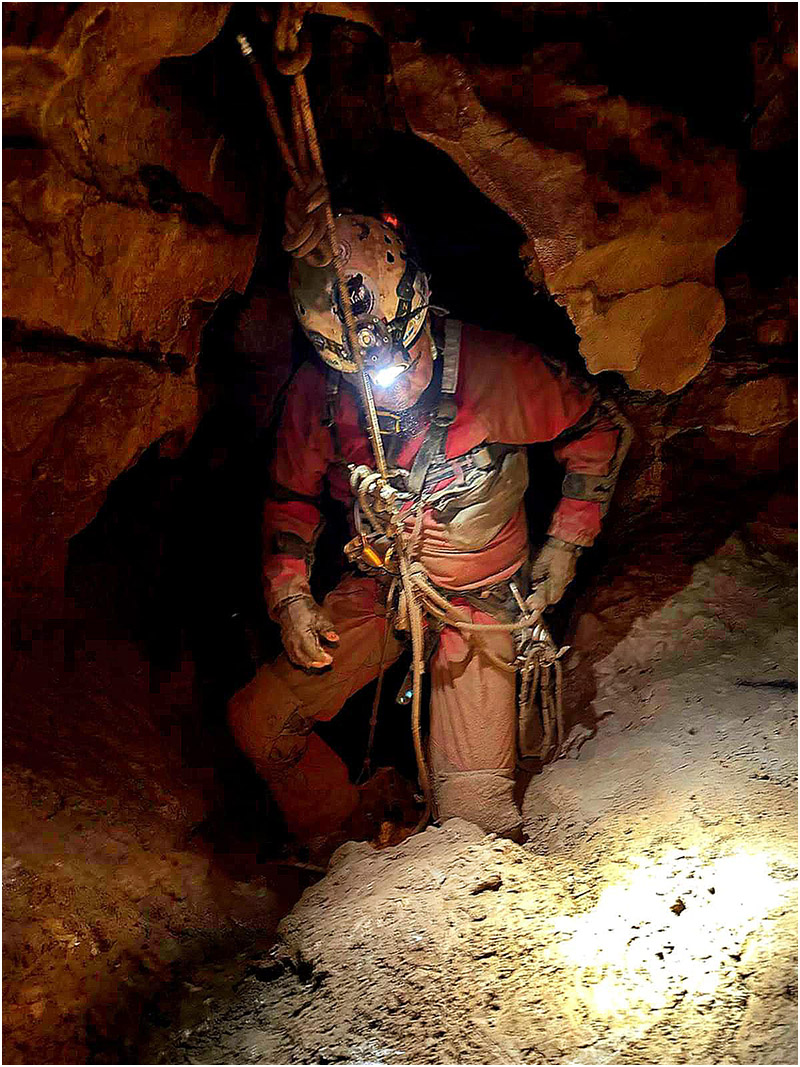
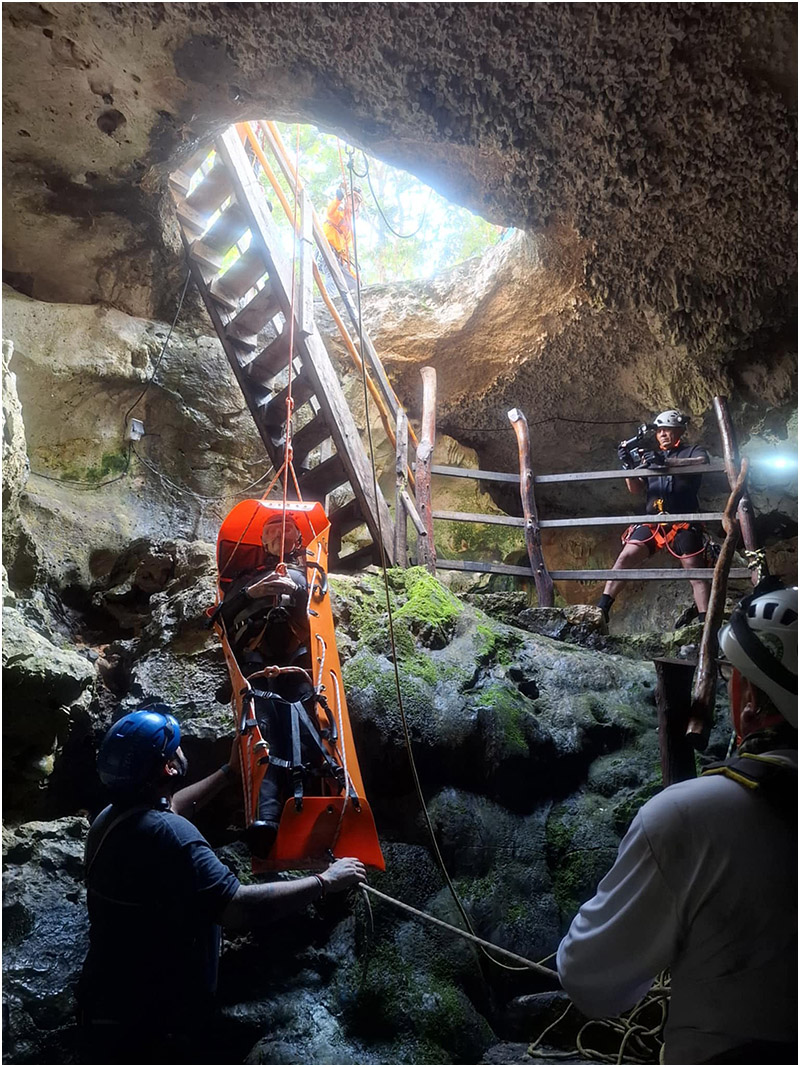
Horizontal and vertical rope rigging
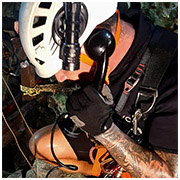
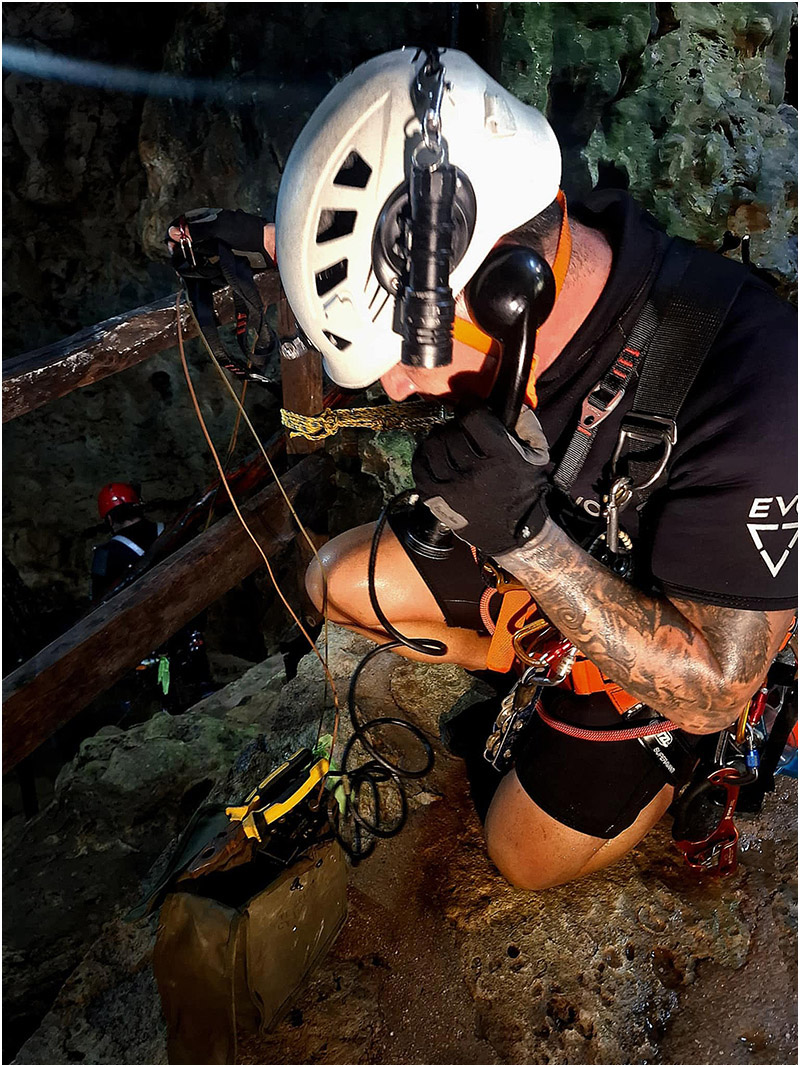
Underground communications
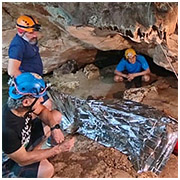
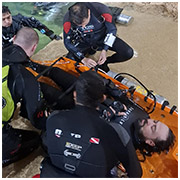
Medical support and cave-compatible patient management
The type of operation varies dramatically with the environment. For example:
Cenote accidents: When a cave is entirely underwater, the likelihood of a deceased victim is high, changing the operational approach to one of controlled recovery.
Sump incidents: In cases where the emergency occurs in a second or third sump, there is a greater possibility the victim may still be alive. These scenarios require both cave divers and dry-cave rescuers, along with specialized rigging—spits, parabolts, multimontis, hangers, and other hardware—to facilitate stretcher transport.
The Underwater Cave-Rescue Specialist
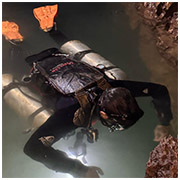
This role extends far beyond that of even the most seasoned cave diver. A specialist must be competent in:
First response and patient stabilization
Underwater and underground communications installation
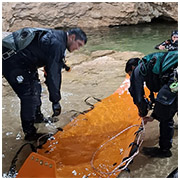
Stretcher assembly and deployment for submerged transport
Rope systems for vertical extraction
Zero-visibility and confined-space protocols
Rescuers must also be prepared to work in high-stress, low-visibility environments where psychological resilience is as essential as technical proficiency.
Click Thumbnail to Enlarge
Communications: The Lifeline Underground
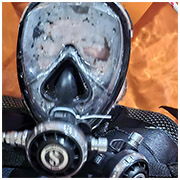
Reliable communication is among the most critical elements in sump and mine rescue. In Mexico, the communication cable itself doubles as a secondary underwater guideline, reducing the risk of entanglement. Patient transport through sumps is performed using full-face masks whenever possible, positioning the patient prone and ensuring that the stretcher is pre-rigged for both horizontal and vertical movement.
Every extraction requires a detailed checklist and multiple immersion tests. Rescuers verify regulator performance, redundant gas access, viewport positioning, and overall system integrity before receiving clearance from the incident commander to proceed.
Operational Team Configurations
Team structure depends on the nature of the event:
Live rescue in a sump: Typically four personnel—a paramedic, two stretcher handlers, and a documentarian for photographic and operational records.
Recovery of a deceased diver: Depending on cave conditions, the team may be reduced to two or even a single highly experienced rescuer.
Complex systems: DPVs, mixed-gas operations, zero-visibility protocols, and restrictions may all be required depending on the cave’s classification.
A Growing Capability with Real-World Experience
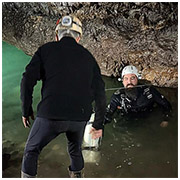
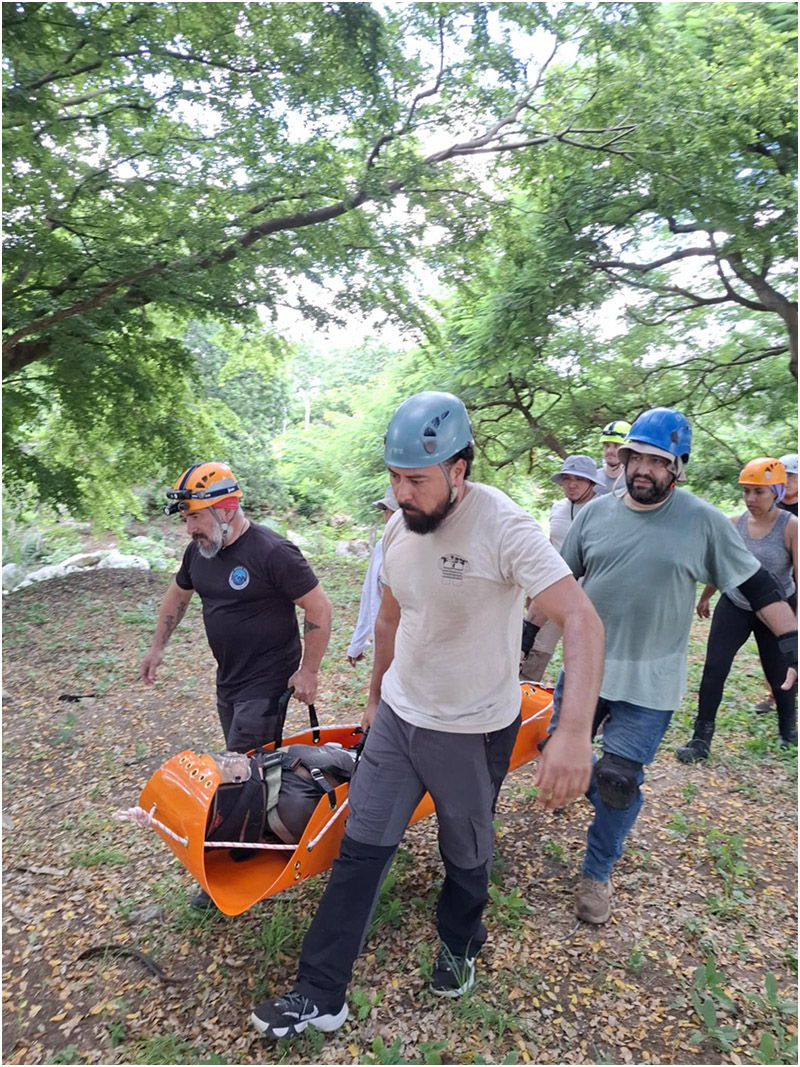
Mexico’s volunteer cave-rescue community has conducted numerous real operations in mountains, cenotes, and springs. Certified teams are now active in Mexico City, Quintana Roo, and Yucatán, all trained to international standards—even though they remain outside the formal government civil protection structure.
Training exercises are held twice annually to standardize procedures and maintain operational readiness. The FMAS-endorsed certification program is open to qualified teams worldwide and carries the support of the World Underwater Federation (CMAS).
Conclusion: Prevention Above All
Underwater cave rescue is extraordinarily complex, and no two operations are alike. Every cave presents unique variables—visibility, depth, restrictions, waterflow, geology, and access—that shape the rescue strategy.
But the most important element of cave-rescue philosophy remains prevention.
Compliance with established dry-cave and underwater-cave procedures remains the strongest safeguard against emergencies. While Mexico’s rescue teams are trained, ready, and willing to respond, the ultimate goal is that their activation is never required.
It is crucial that exploration groups, training agencies, and cave-diving programs remain aware of the existence of these teams and the altruistic, specialized work they perform to keep the global cave-diving community safer.
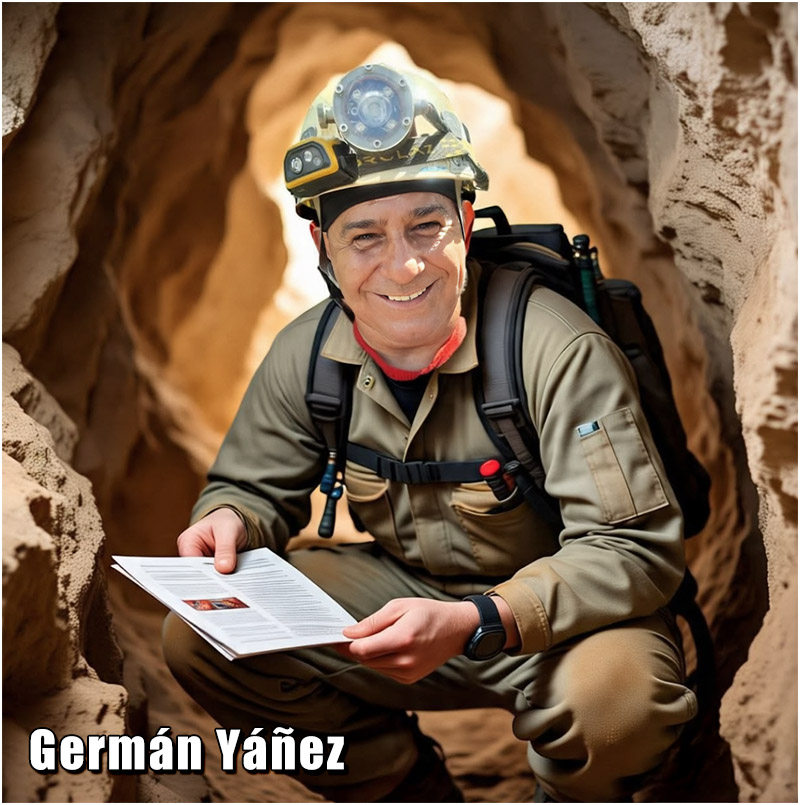
Contact Germán Yáñez
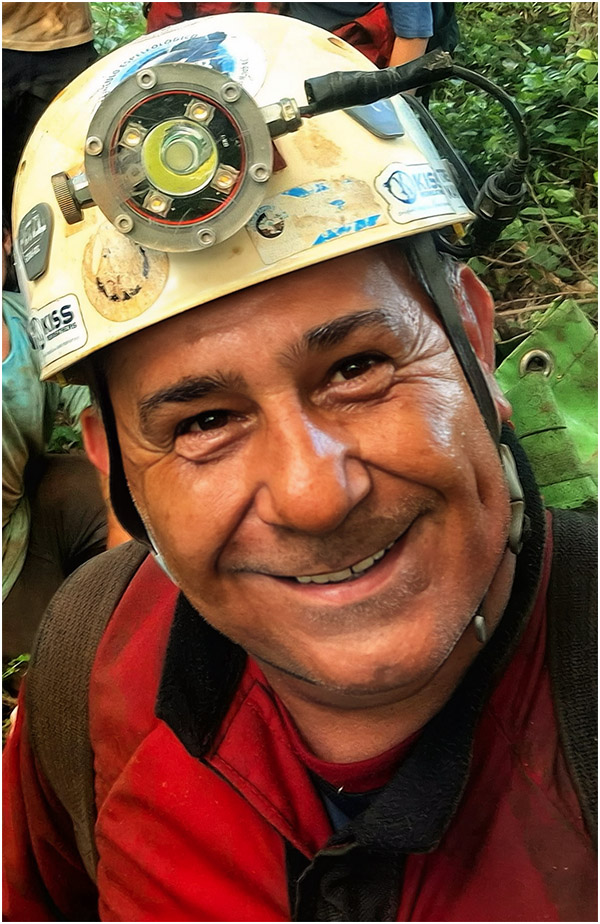
Paramedic and Cave Rescue Instructor
Special thanks to cave rescue instructor Cecilio López Tercero and Rafael López for their help in developing the training program amd materials.