RMS Carpathia - The Last Voyage of Titanic's Rescuer
Share This Article
RMS Carpatia
Let ADM Read the Article for You
North Atlantic Ocean
Wednesday, 17 July 1918 – Approximately 8:30 a.m.
he world that RMS Carpathia had known in 1912 no longer existed.
For four long years, war had transformed the Atlantic Ocean from one of the world's great highways of commerce into a battlefield stretching from the British Isles to the eastern shores of North America. Merchant vessels sailed under wartime regulations. Passenger liners steamed darkened across dangerous waters. German submarines prowled the shipping lanes in search of Allied shipping while captains and crews maintained an unending vigilance against dangers that often remained hidden until it was too late.
Gone were the leisurely Atlantic crossings of the Edwardian era. Ships no longer followed predictable courses across the sea, and every lookout understood that his responsibilities extended far beyond approaching vessels and changing weather. Somewhere beyond the horizon might lie the white wake of a torpedo or the shadow of a submarine's periscope breaking the surface of the Atlantic.
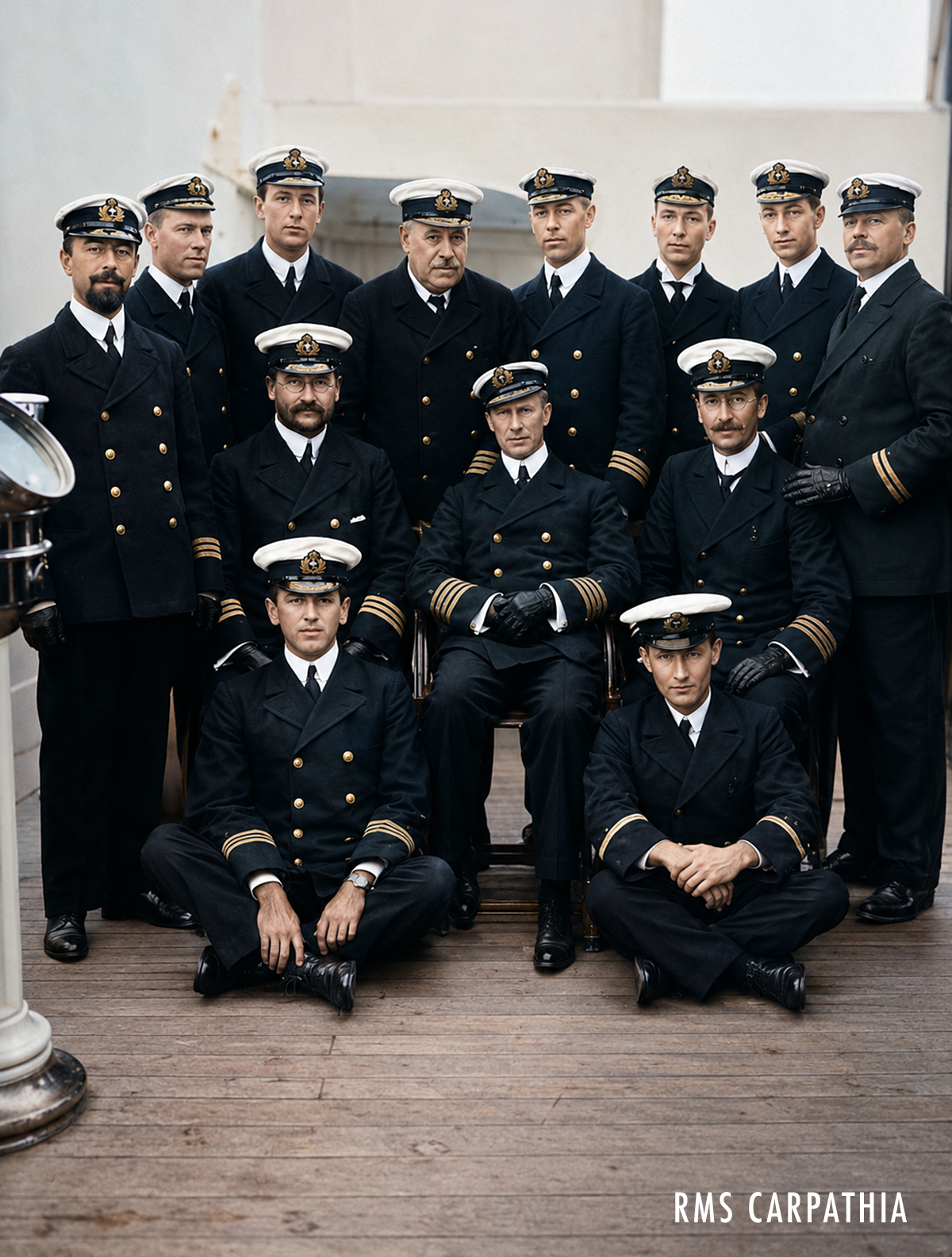
Under the command of Captain William Prothero, RMS Carpathia was nearing the end of another westbound crossing from Liverpool, England, to Boston, Massachusetts. A veteran Cunard master, Prothero carried upon his shoulders the same responsibility entrusted to every captain of the merchant service—the safety of every soul aboard his ship.
On this voyage, Carpathia carried fifty-seven passengers and one hundred and sixty-six officers and crew.... Click "Read More" for the rest of the story.
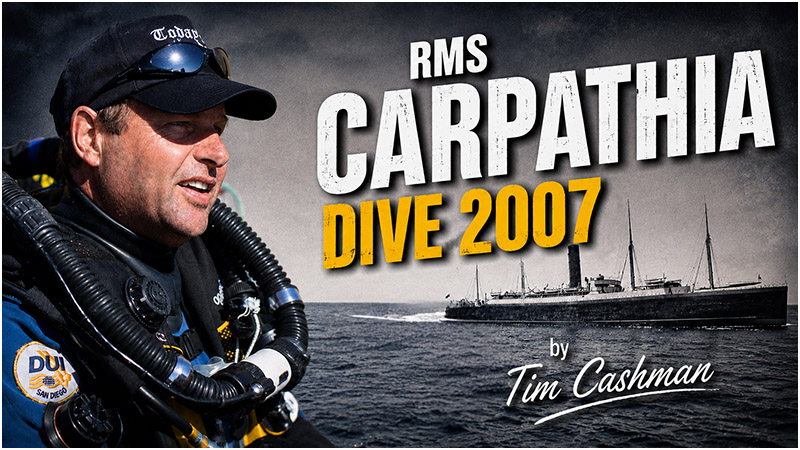
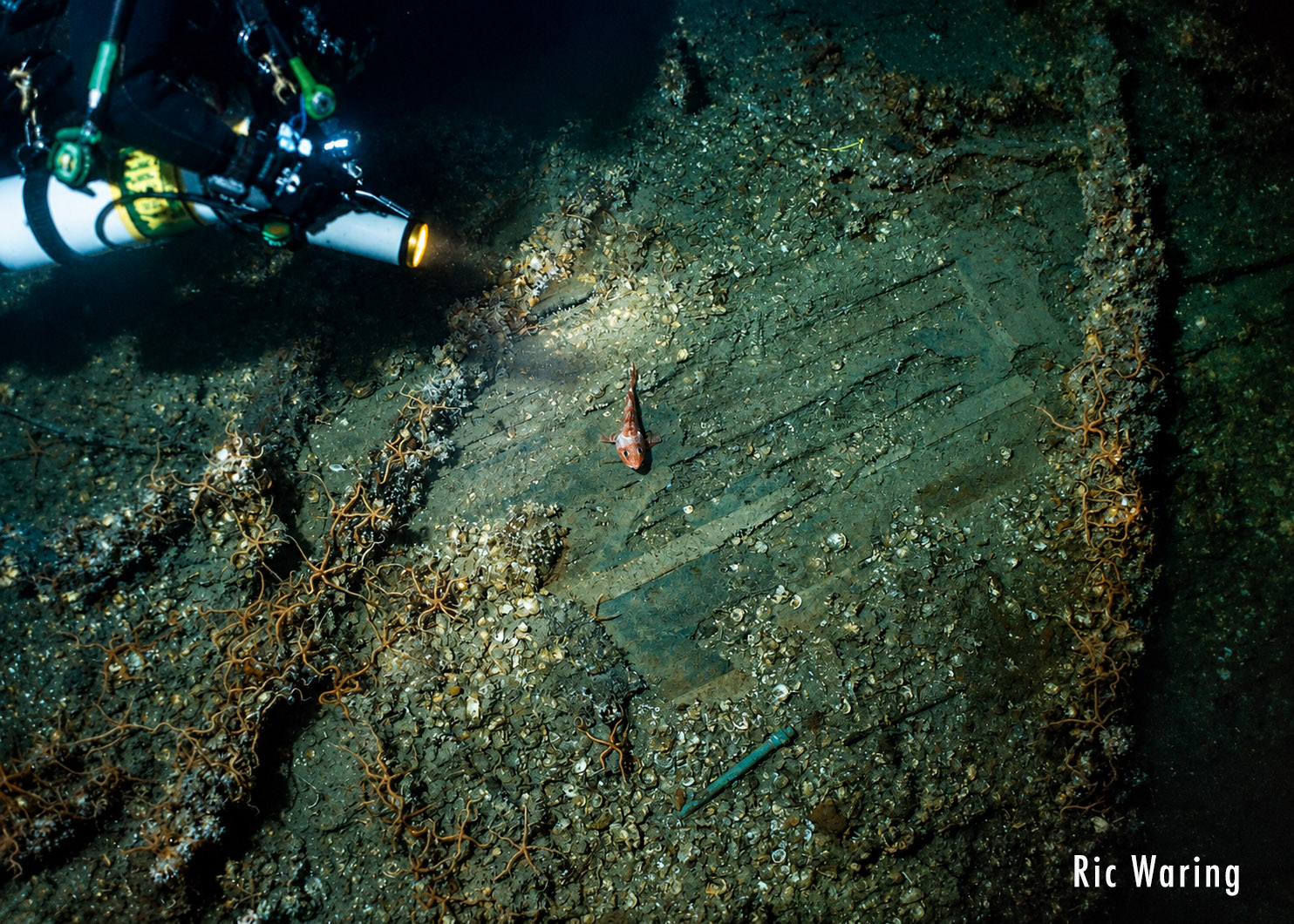
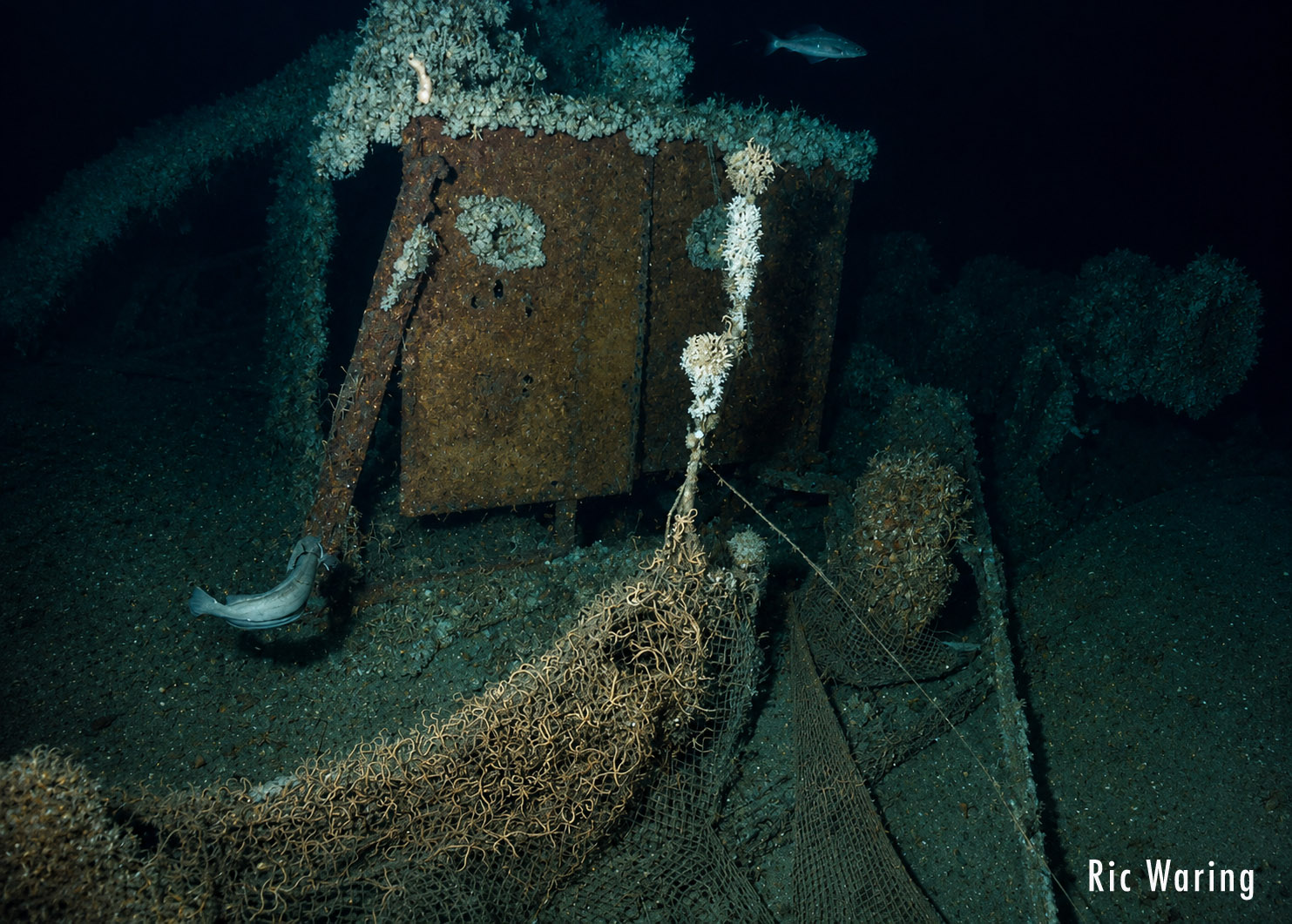
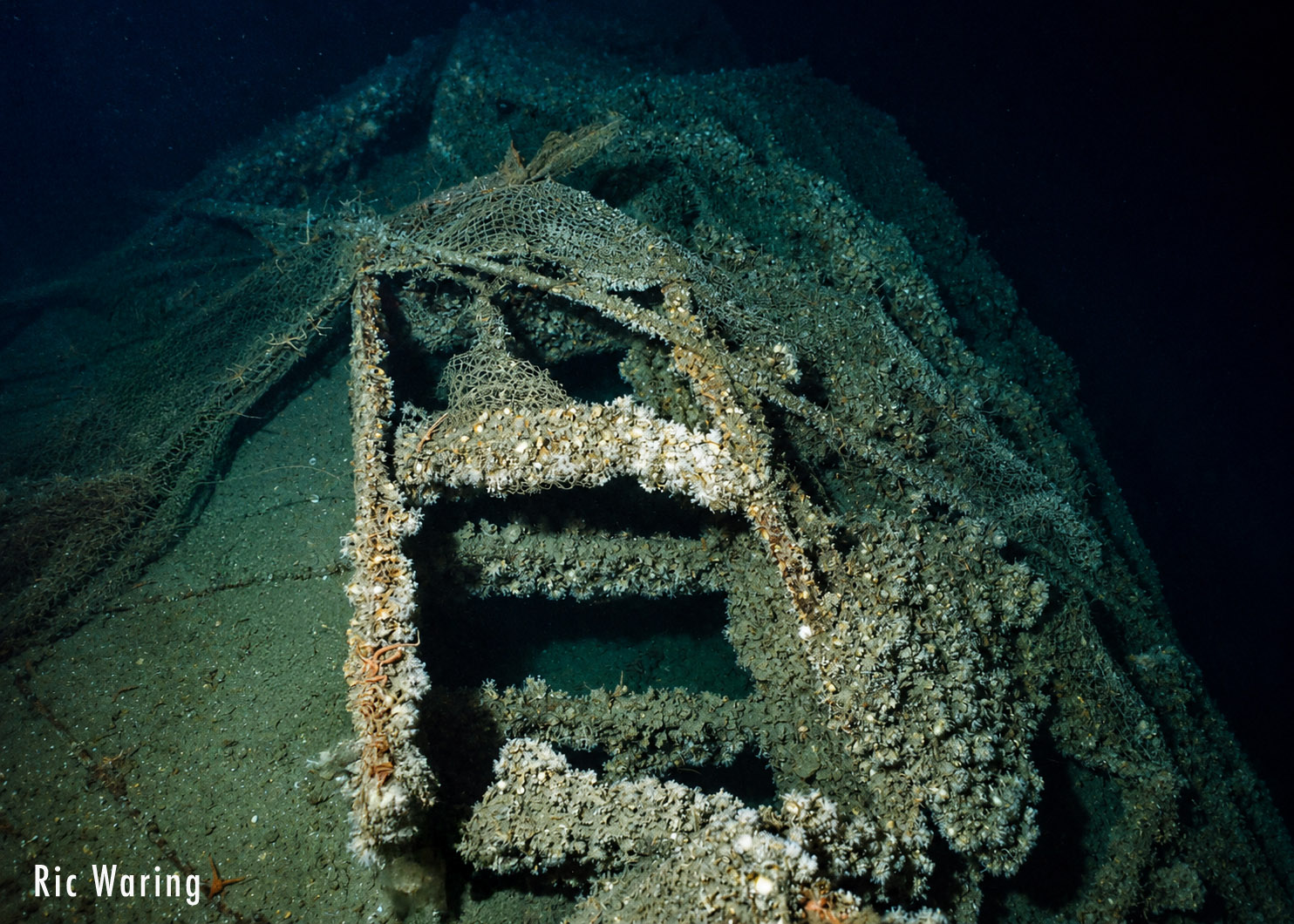
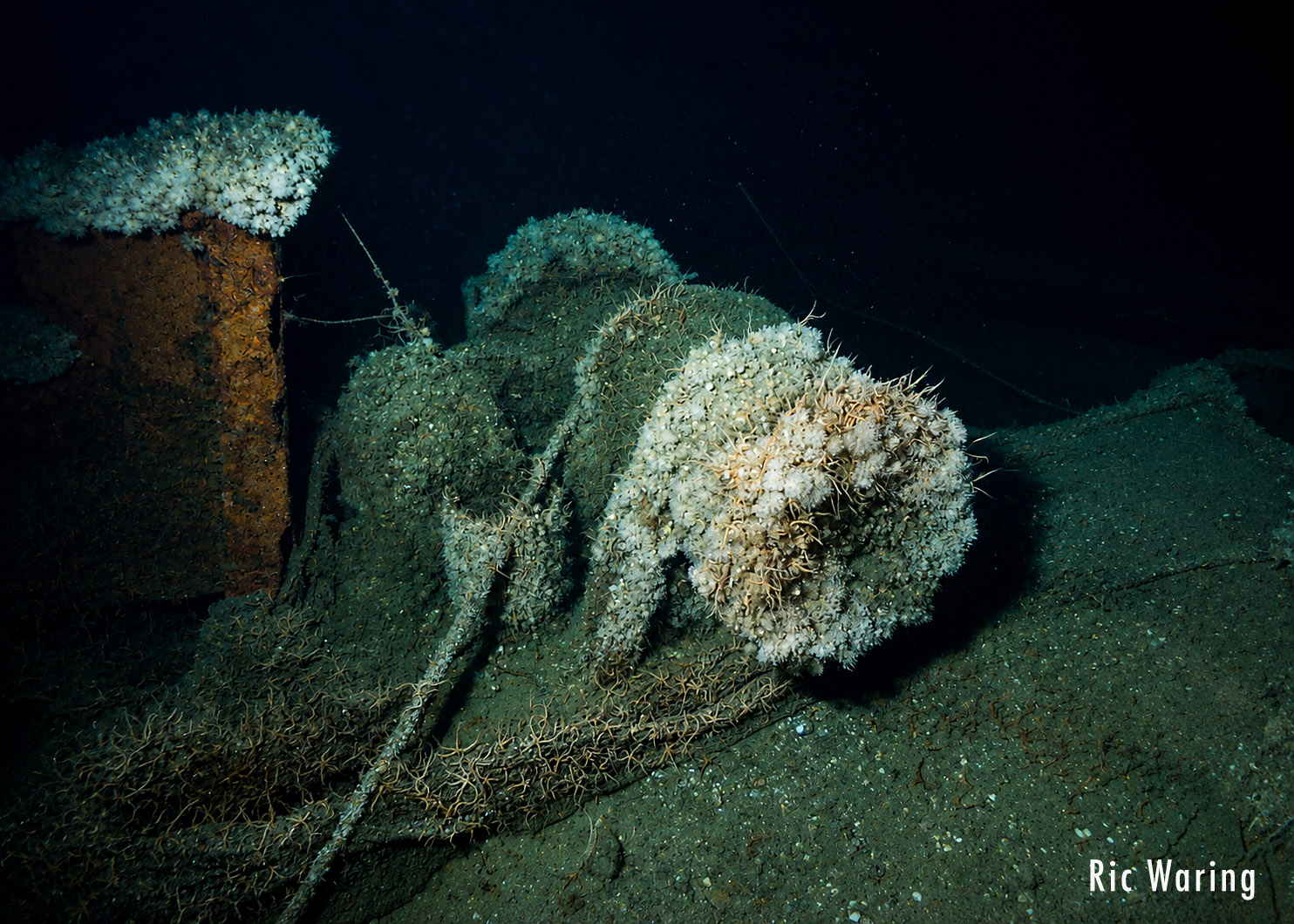
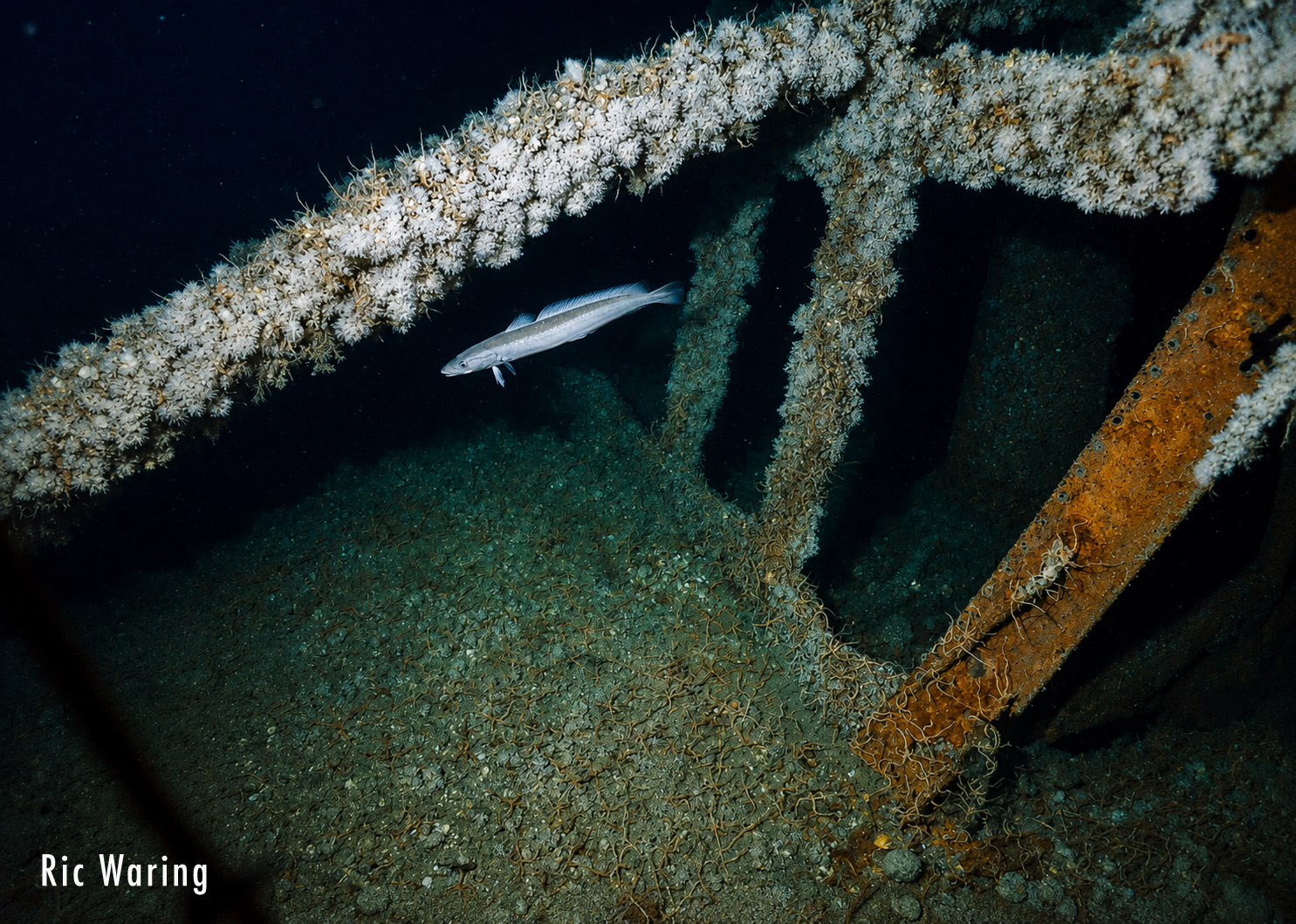
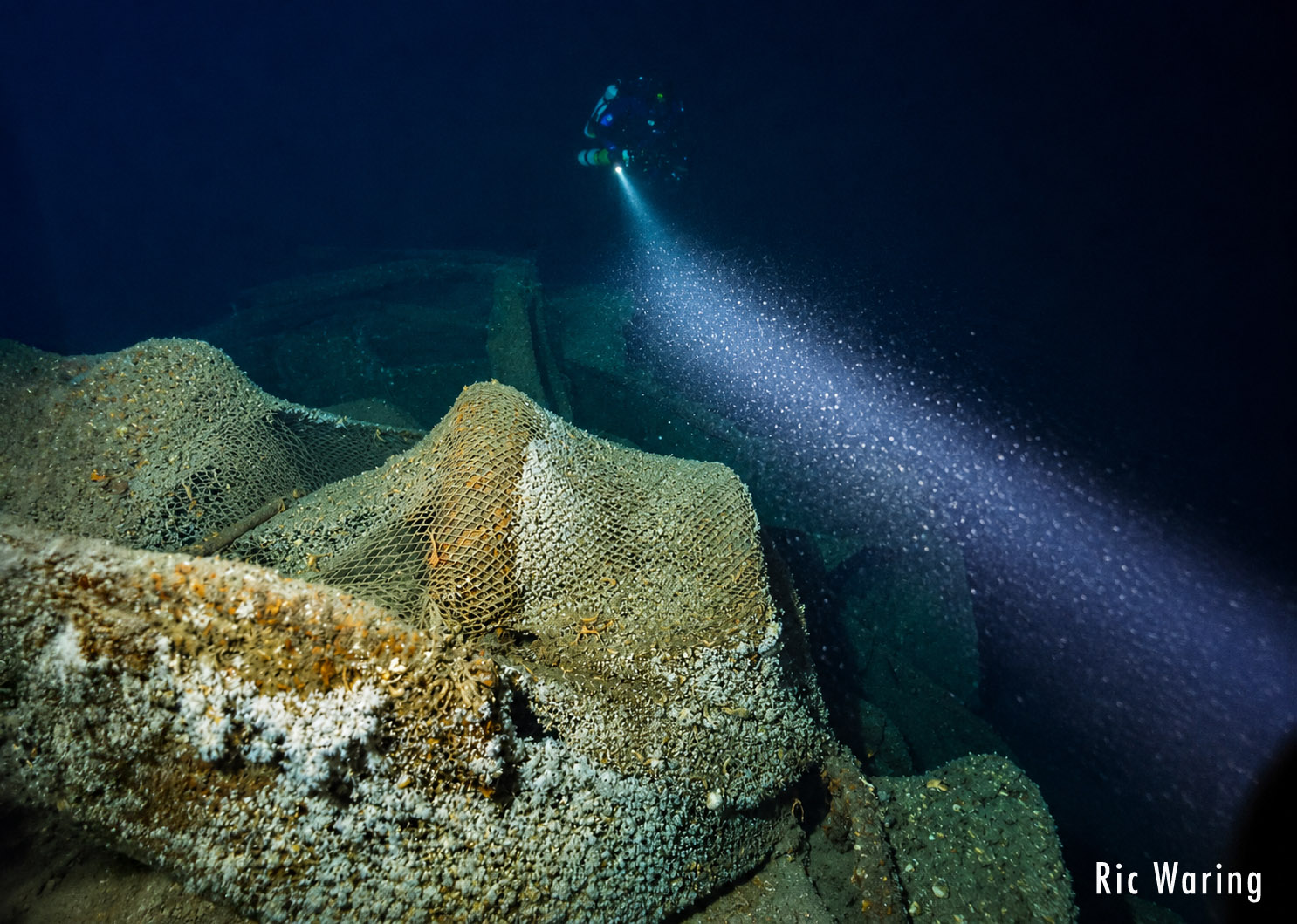
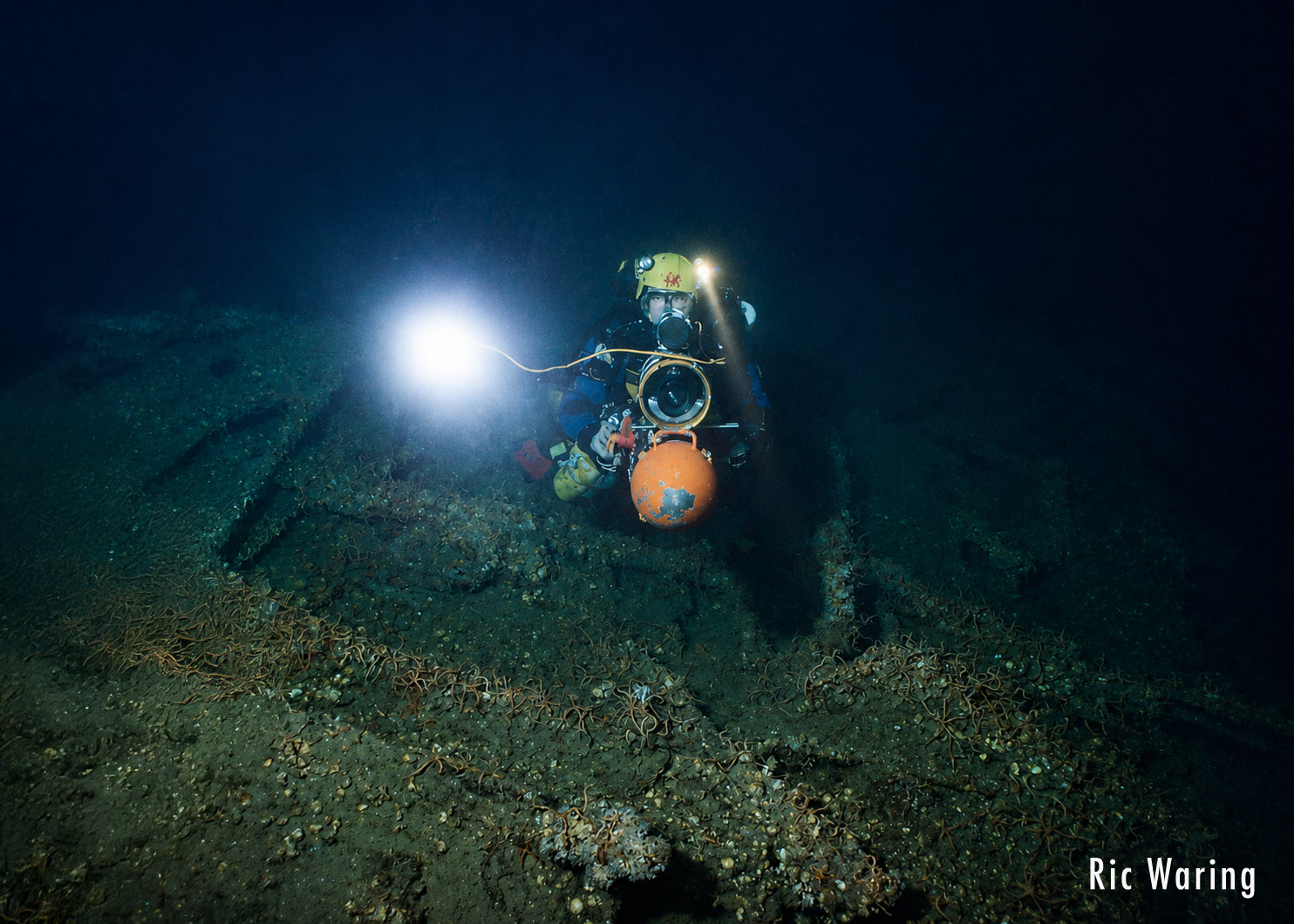
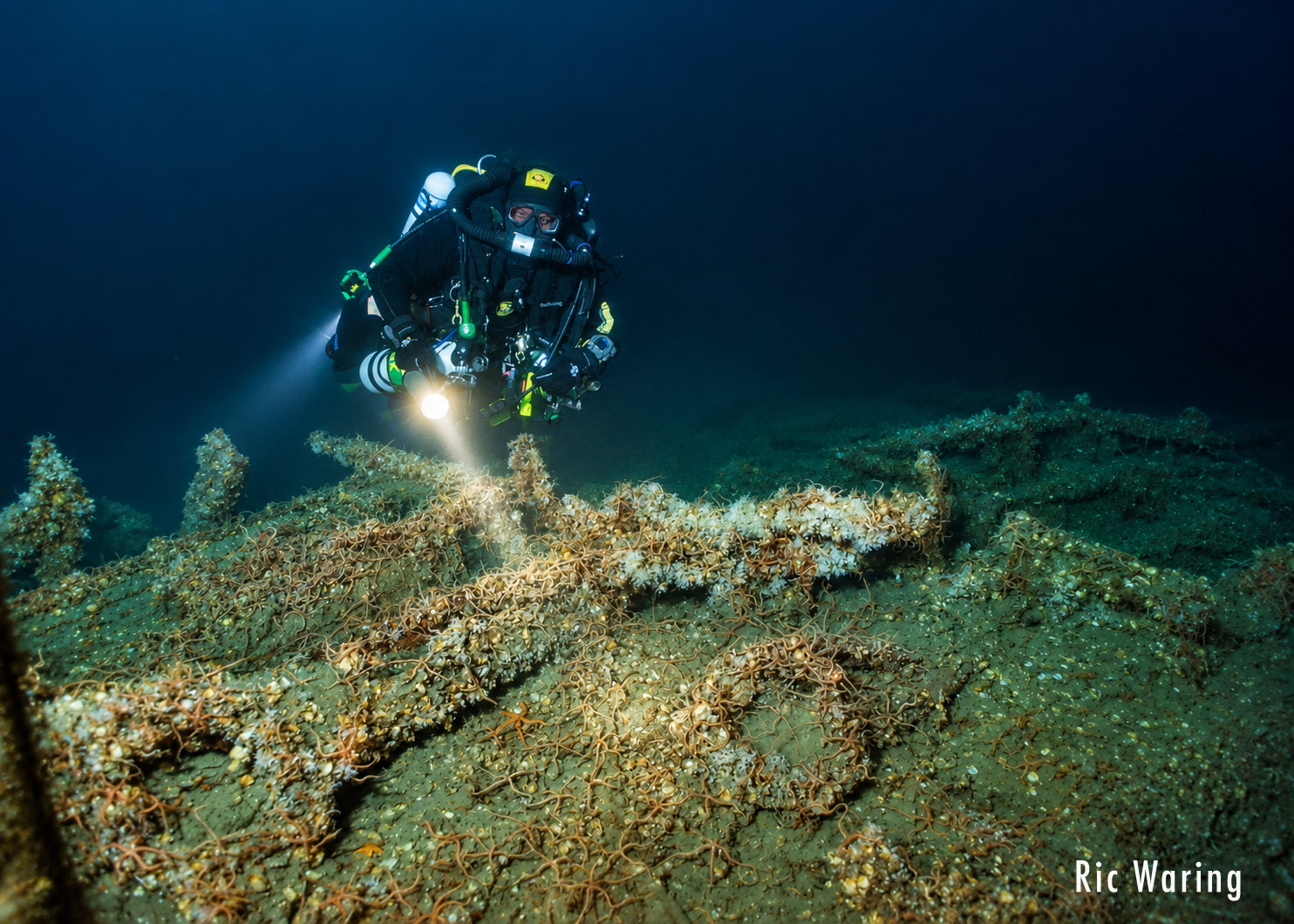
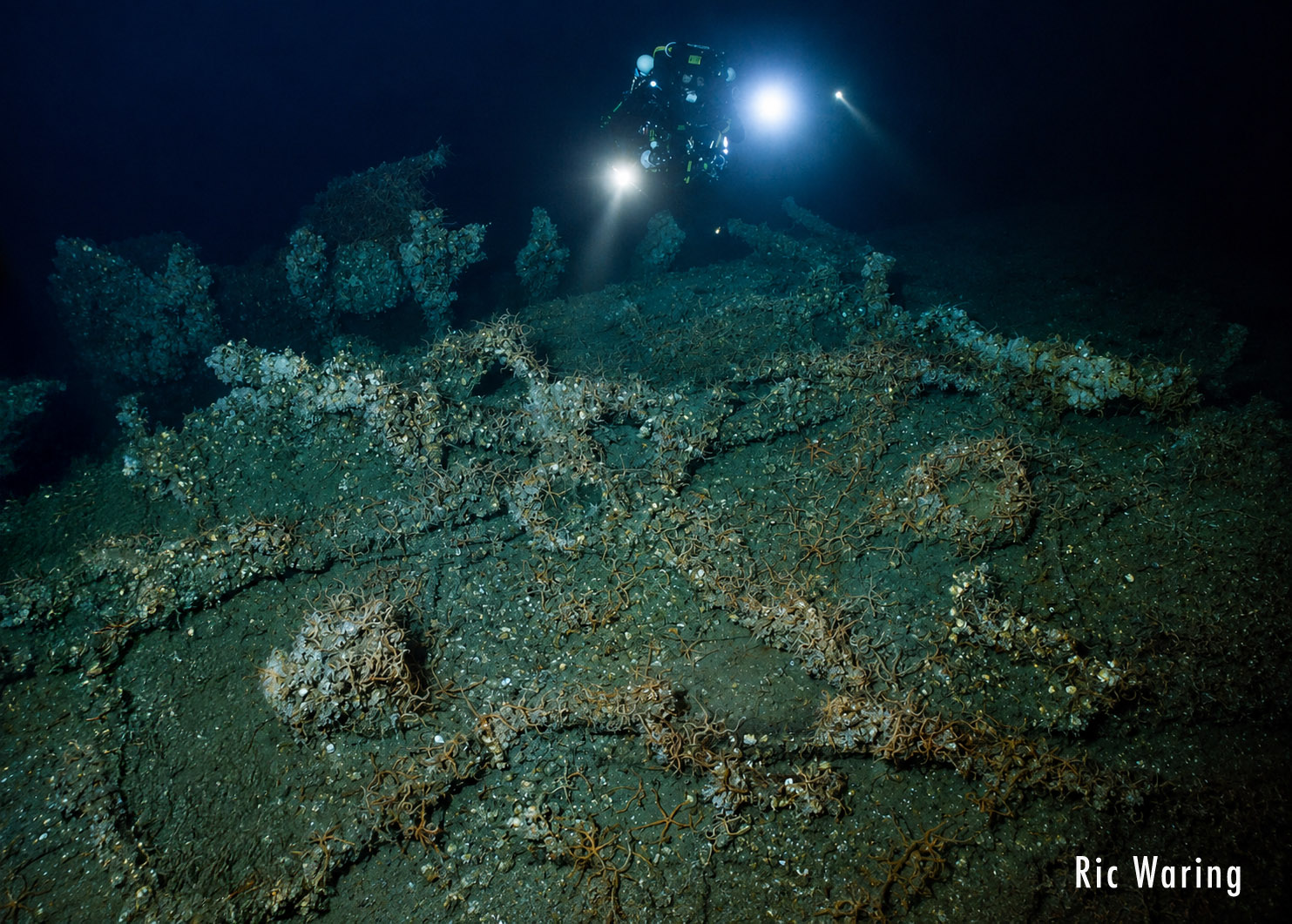
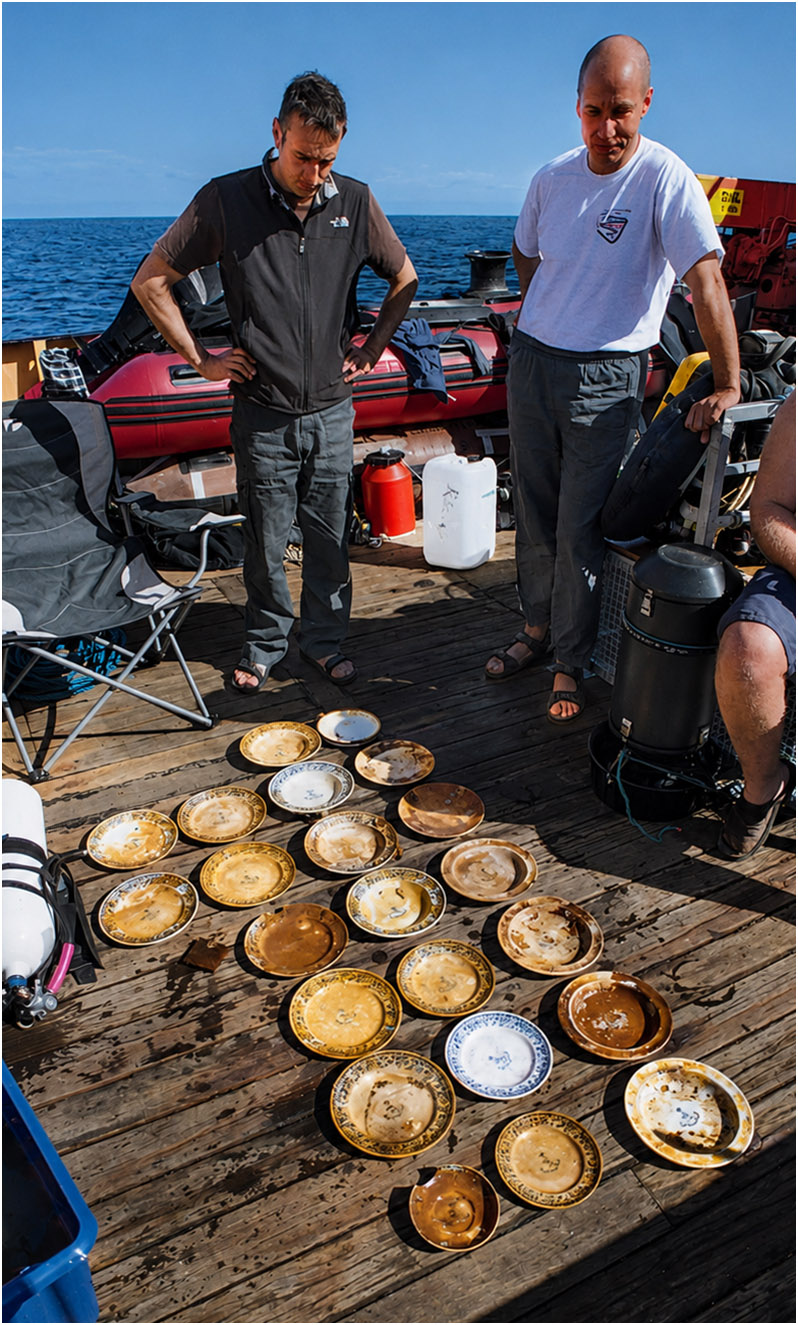
The 2007 expedition to RMS Carpathia, led by Ric Waring, brought together an exceptionally experienced team of technical divers from the United Kingdom, Italy, and Germany. According to expedition member Helmuth, the success of the project was built upon meticulous planning, individual responsibility, and an extraordinary level of teamwork.
The expedition operated with two six-diver teams that alternated responsibilities each day. While one group conducted the deep dives to the wreck, the second served as the support team. The following day, the roles were reversed, ensuring that every diver experienced both the challenges of exploring the wreck and the equally important responsibility of supporting those below. This system allowed every support diver to understand firsthand what the deep divers might require during an emergency.
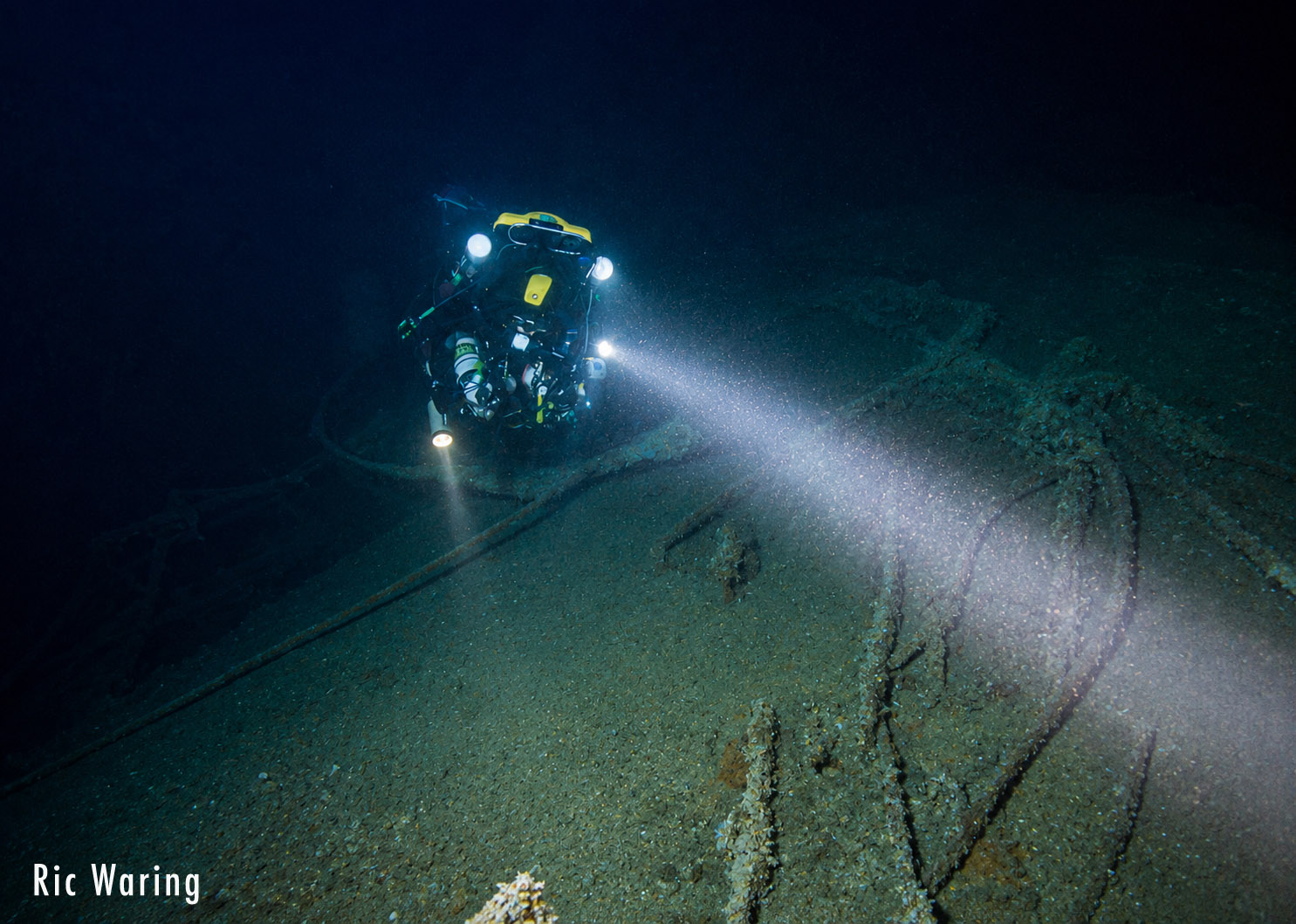
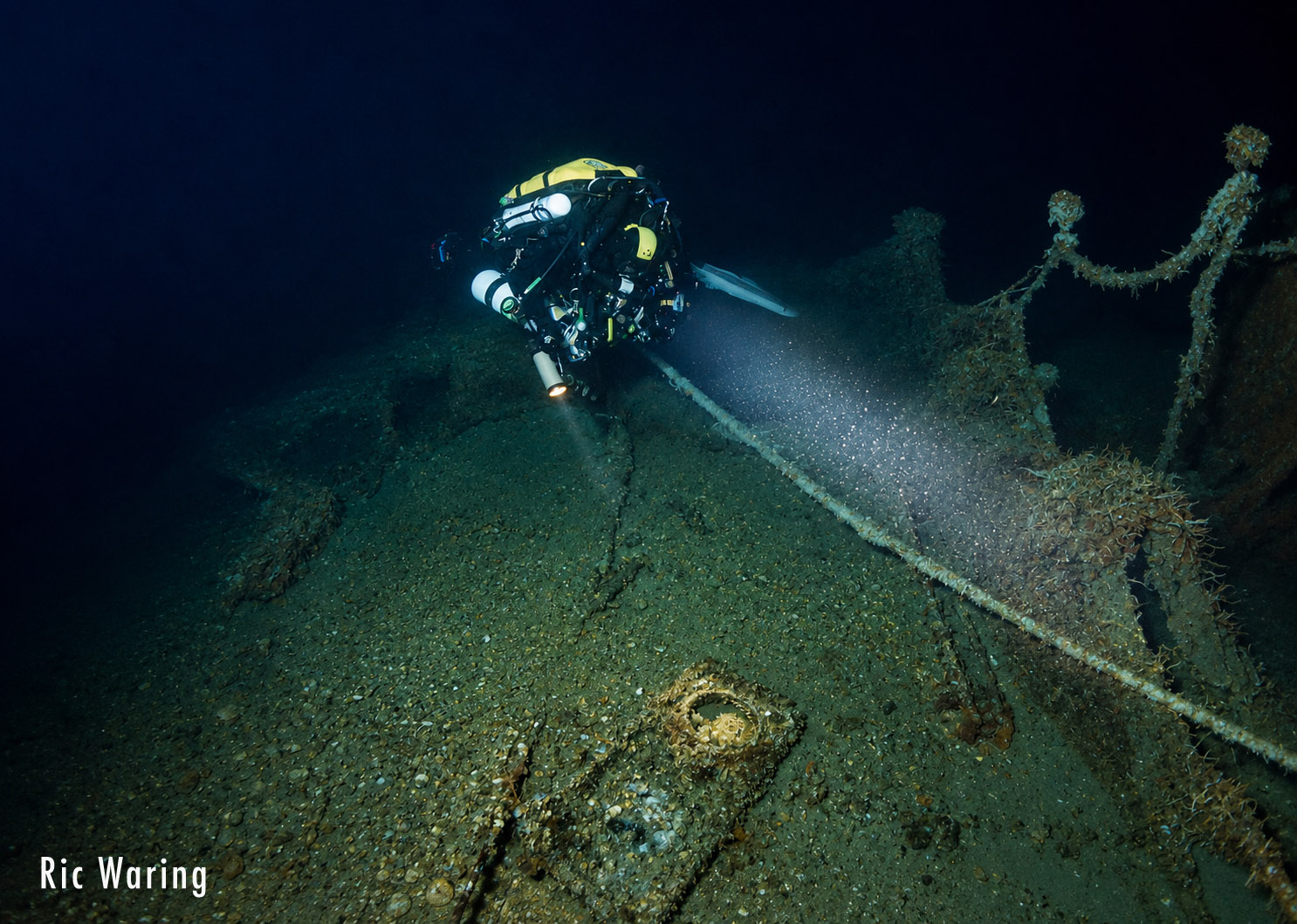
Each diver was given the opportunity to visit Carpathia three times. Divers descended in buddy pairs along the shot line, but once they reached the wreck, they separated and explored independently before returning individually to the ascent line. Decompression schedules were based on each diver's own experience and equipment rather than a rigid expedition profile. Helmuth's dive partner throughout the expedition was British diver and underwater photographer Ric Waring.
Surface support was organized with the same level of precision. The expedition vessel carried a fully operational decompression chamber with trained personnel standing by throughout every dive, although it was never required during the expedition.
The first days at sea proved challenging. Strong winds forced the expedition vessel to remain sheltered near the Isles of Scilly while awaiting an improvement in the weather. Even after departing, heavy beam seas caused the ship to roll continuously during the crossing to the wreck site. Upon arrival, conditions remained unsettled, but over the next two days, the North Atlantic transformed dramatically. The rough seas disappeared, leaving an ocean so calm that Helmuth recalled it resembled "a pond." The captain remarked that during two decades operating in those waters, he had never witnessed conditions so calm.
Safety procedures reflected the extreme depth of the wreck. Each support team consisted of six divers with clearly defined responsibilities. Two crew members operated from an inflatable boat that remained ready throughout every dive. One maintained position with the engine running continuously, while the second managed a fully prepared emergency drop line carrying staged bailout cylinders positioned for deployment to distressed divers.
Every deep diver carried two delayed surface marker buoys: a red buoy indicating a normal ascent and a yellow buoy reserved exclusively for emergencies. Should a yellow buoy appear on the surface, the inflatable would immediately deliver the emergency gas drop line to the diver's position. Every diver also carried sufficient bailout gas to ascend independently from the wreck to approximately 90 meters before requiring additional supplies.
Two additional divers aboard the main vessel remained on standby as deep-rescue divers. One remained nearly fully dressed throughout the dive, while the second assisted with final preparations should an emergency deployment become necessary. Every three hours, they exchanged roles to remain rested and prepared.
Additional support divers monitored the decompression station, which consisted of horizontal bars suspended at 9 and 6 meters. Their responsibility was to observe every diver during the lengthy decompression, provide assistance when needed, and ensure that the final hours of the dive progressed safely.
For the deep divers, however, the day itself was remarkably straightforward. Once fully equipped, they entered the water directly from the expedition vessel and descended the shot line into the darkness. Helmuth reached the wreck approximately ten minutes after leaving the surface, spent seventeen minutes exploring Carpathia, and began his ascent twenty-seven minutes into the dive. His total dive time was approximately six hours. Over the course of three dives, he accumulated nearly fifty minutes on the wreck—enough time, he recalled, to thoroughly explore one of the world's most historically significant shipwrecks.
Looking back, Helmuth remembers the expedition not only for the wreck itself but for the people who made it possible.
"We were an excellent team and got along very well," he recalled. "Everyone knew exactly what they had to do and took responsibility for themselves."
Most of the divers used AP Inspiration rebreathers, while Rich Stephenson dove a Megalodon. Helmuth used an Inspiration Vision equipped with two 300-bar onboard cylinders and two 12-liter steel bailout cylinders pressurized to 260 bar. He managed his decompression using a combination of the Inspiration computer, a VR3 computer, and printed decompression tables, relying on experience to balance all three.
Among the expedition members was renowned technical diver Carl Spencer, whose remarkable exploration career would be tragically cut short the following year during a dive on HMHS Britannic in Greece. The remaining members of the expedition have continued diving, with Helmuth still actively exploring the waters of Malta and Gozo, as well as flooded mines throughout Europe.
More than anything, Helmuth remembers the professionalism of the team. Conversations aboard the ship rarely centered on diving itself. There was little need. Every member of the expedition possessed the experience and discipline to perform their role without instruction, allowing the team to focus simply on enjoying each other's company while preparing to visit one of the Atlantic's most iconic wrecks.
( Click Images to Enlarge )
(Click Image to Enlarge)
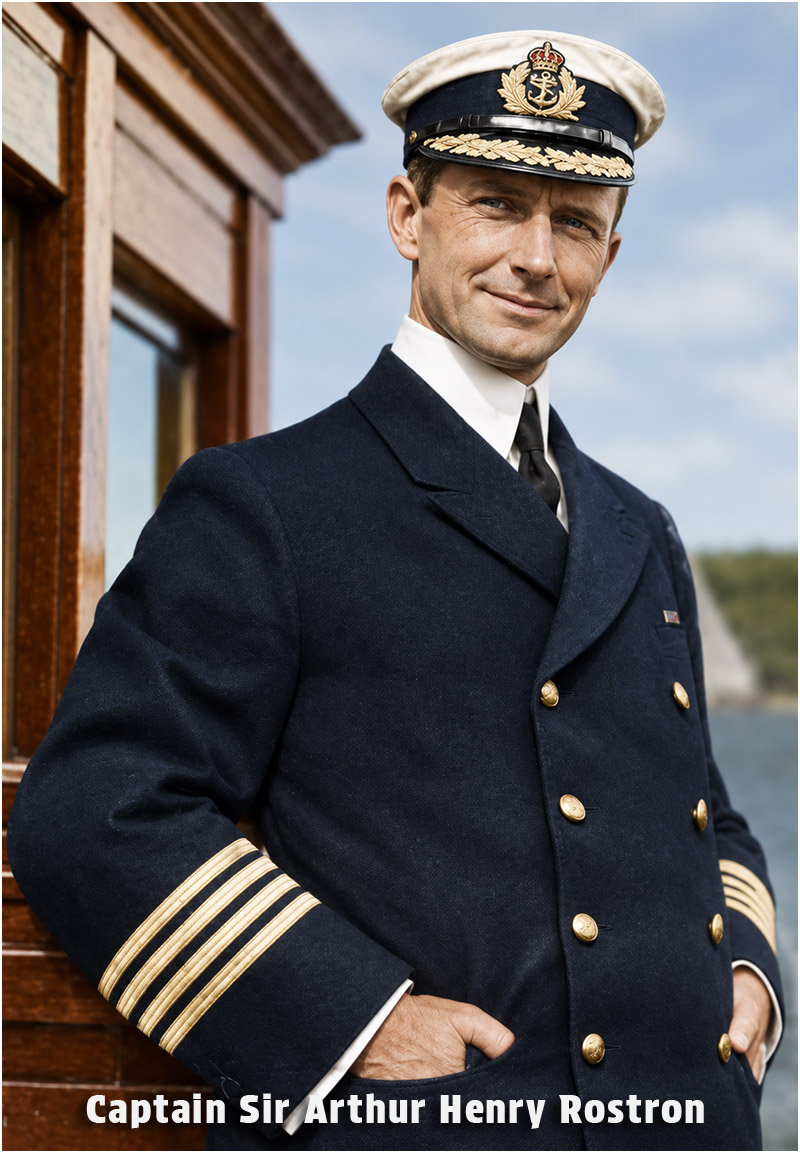
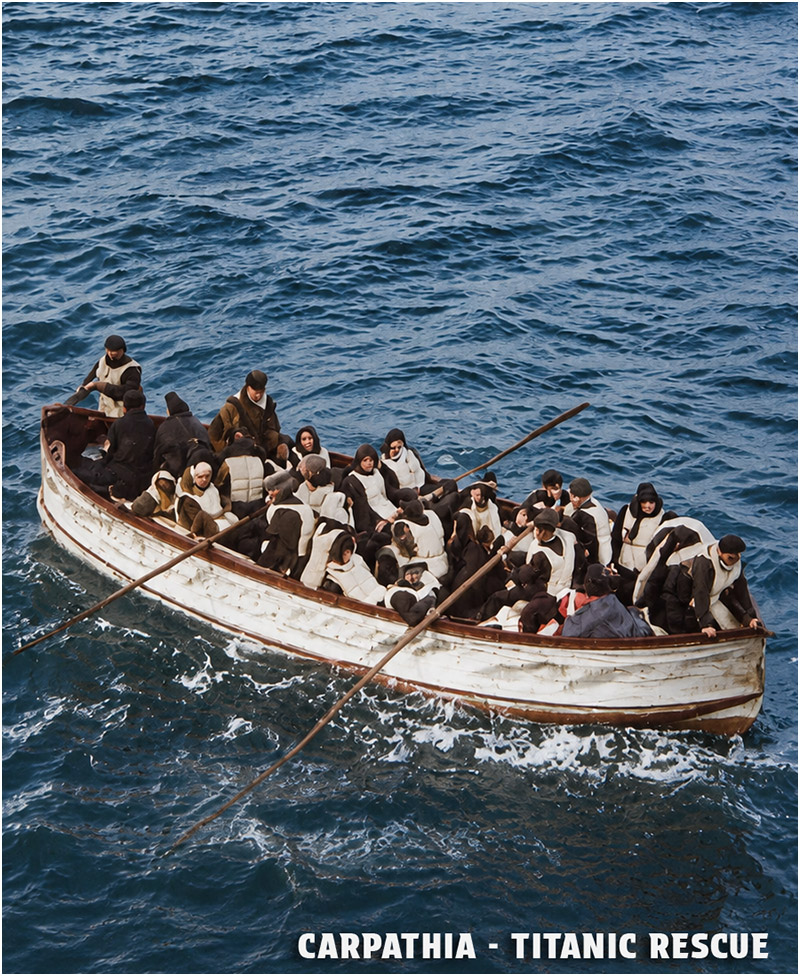
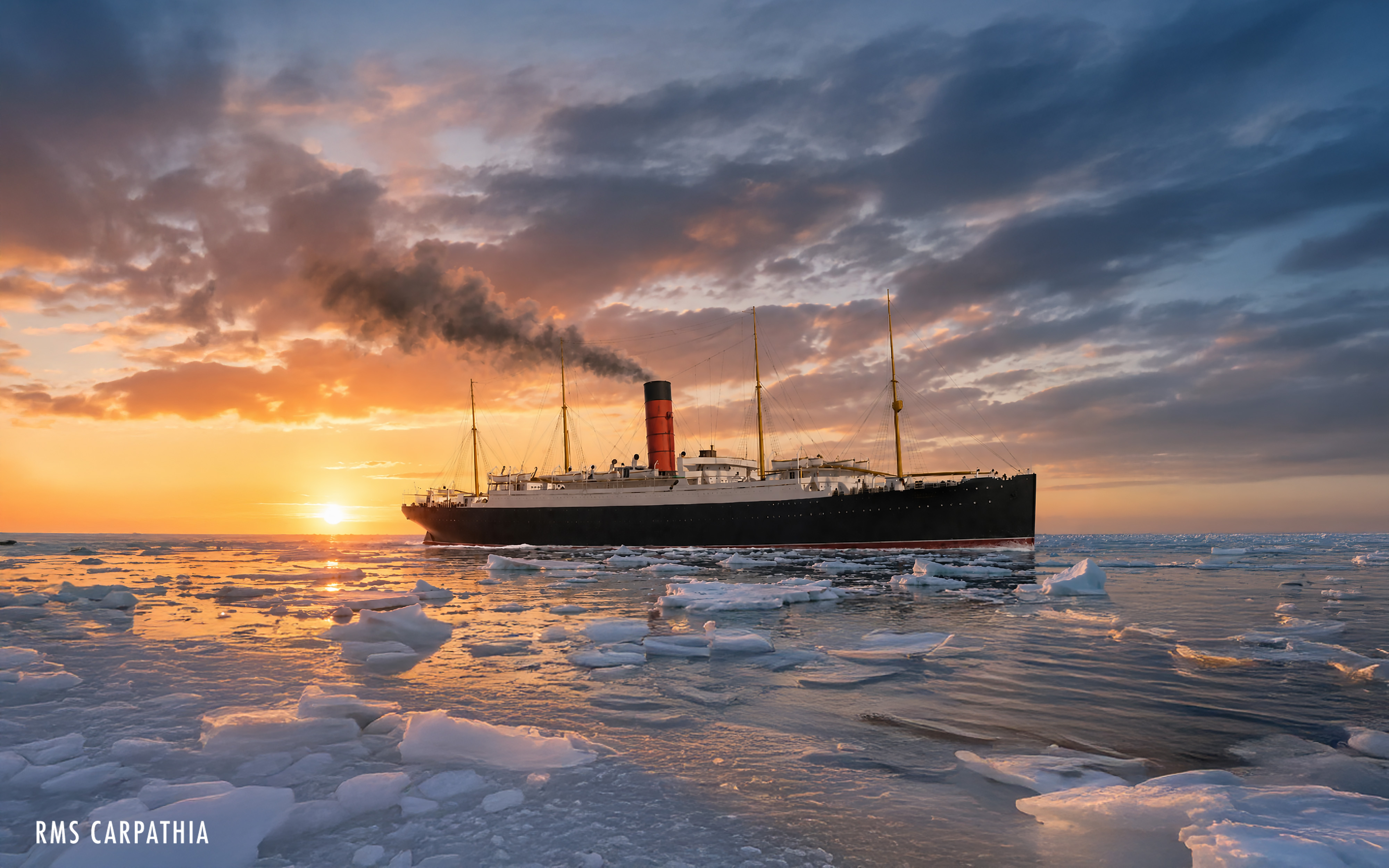
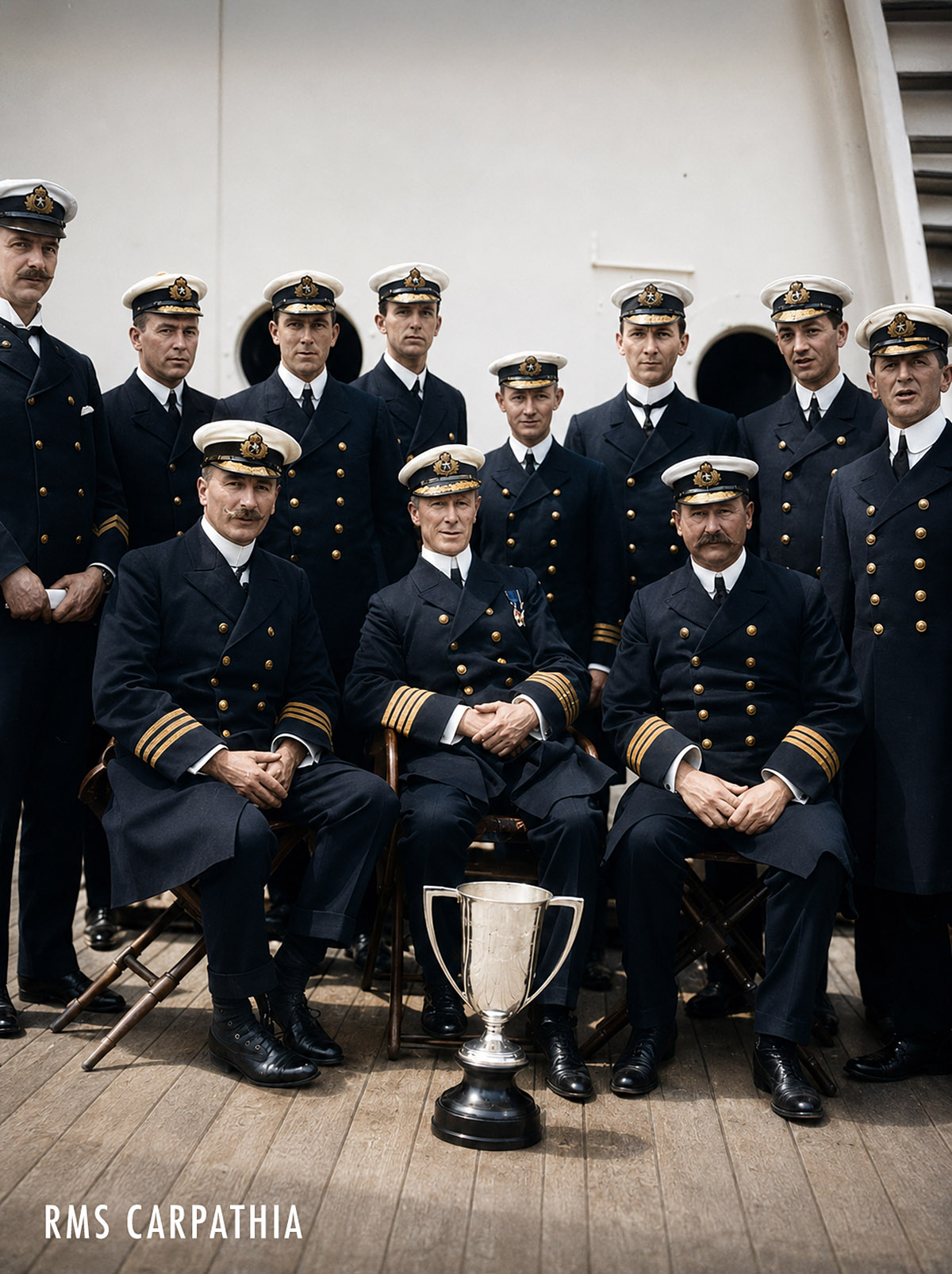
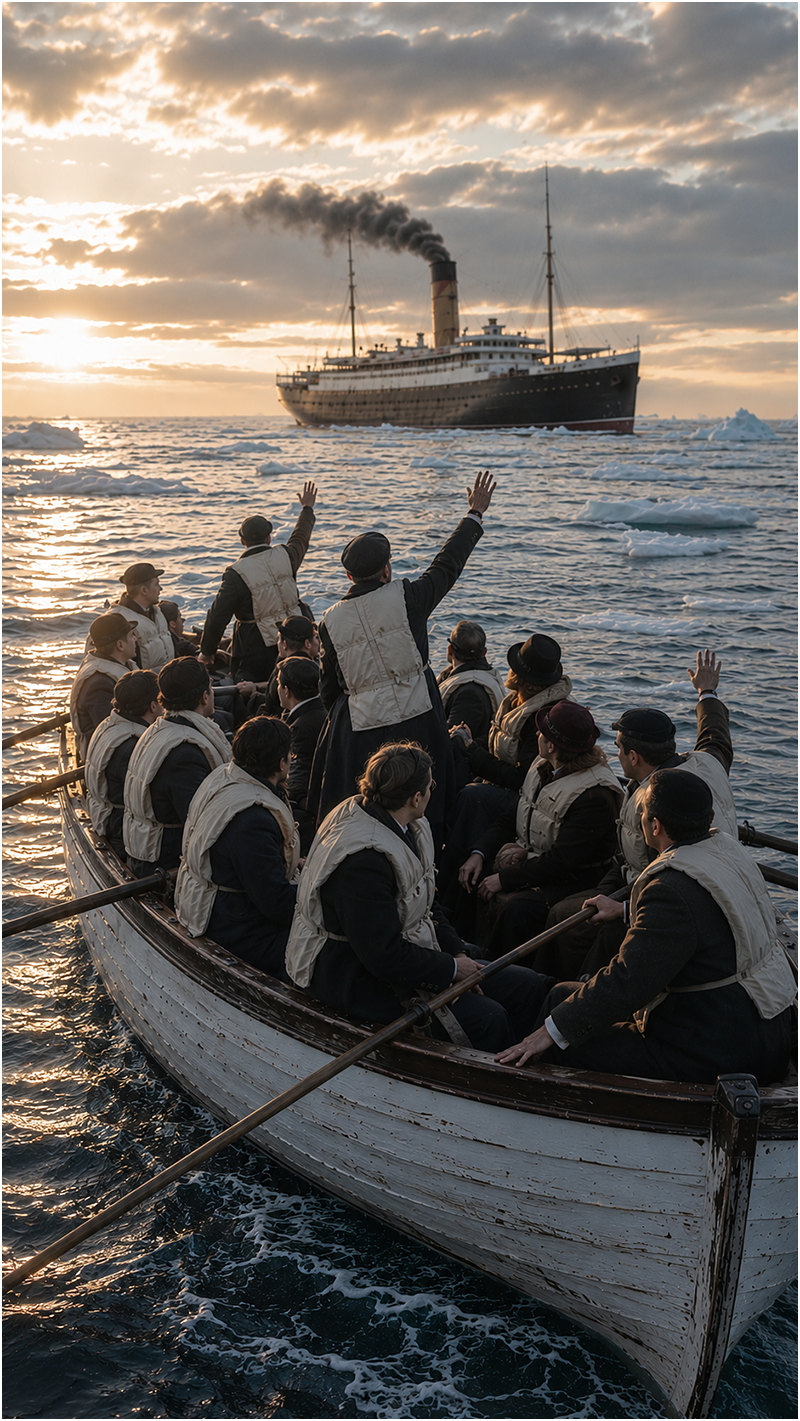
In the early hours of 15 April 1912, the RMS Carpathia performed one of the greatest rescue missions in maritime history. Under the command of Captain Arthur Henry Rostron, the Cunard passenger liner steamed through dangerous ice fields at maximum speed to save the survivors of the sinking RMS Titanic.
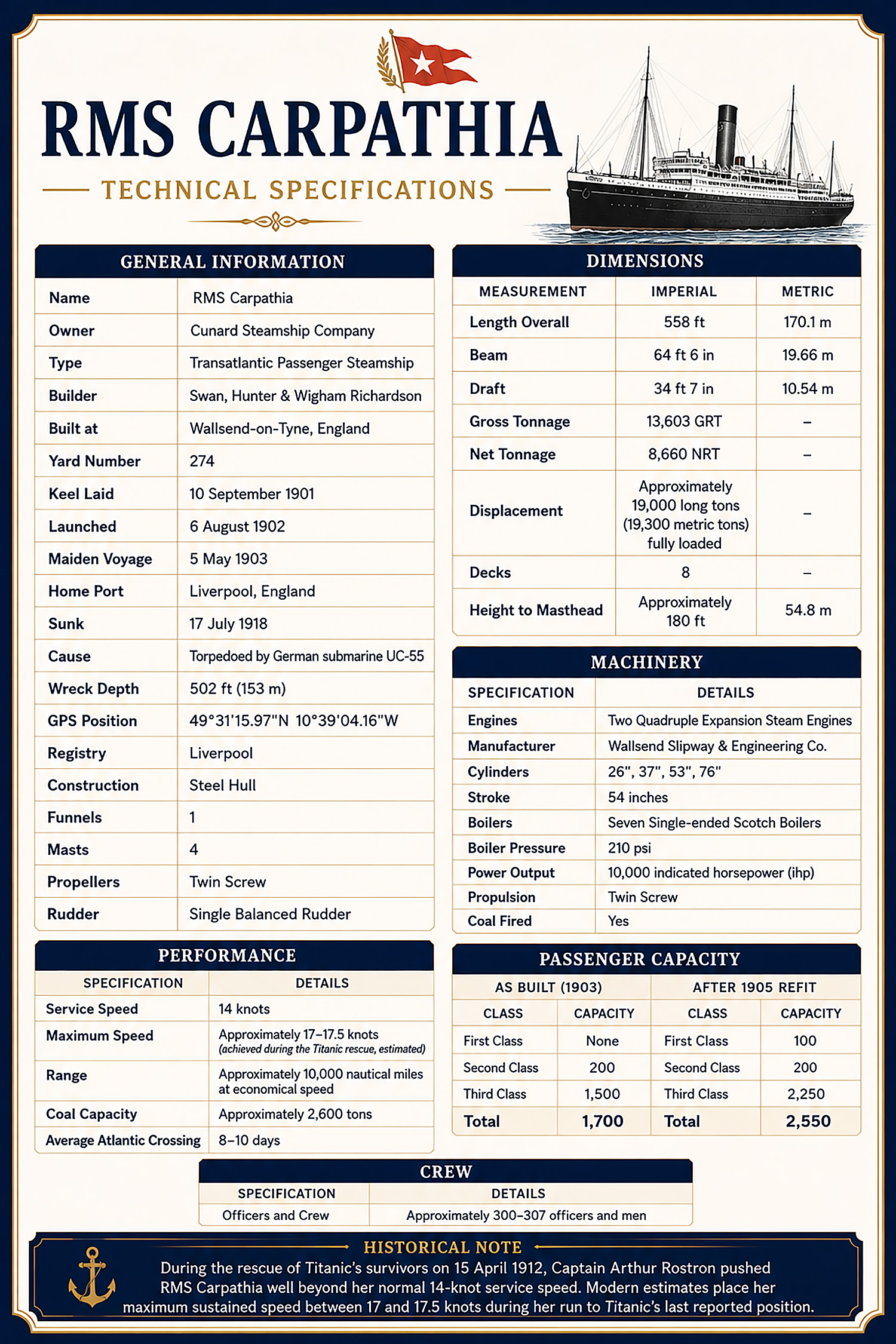
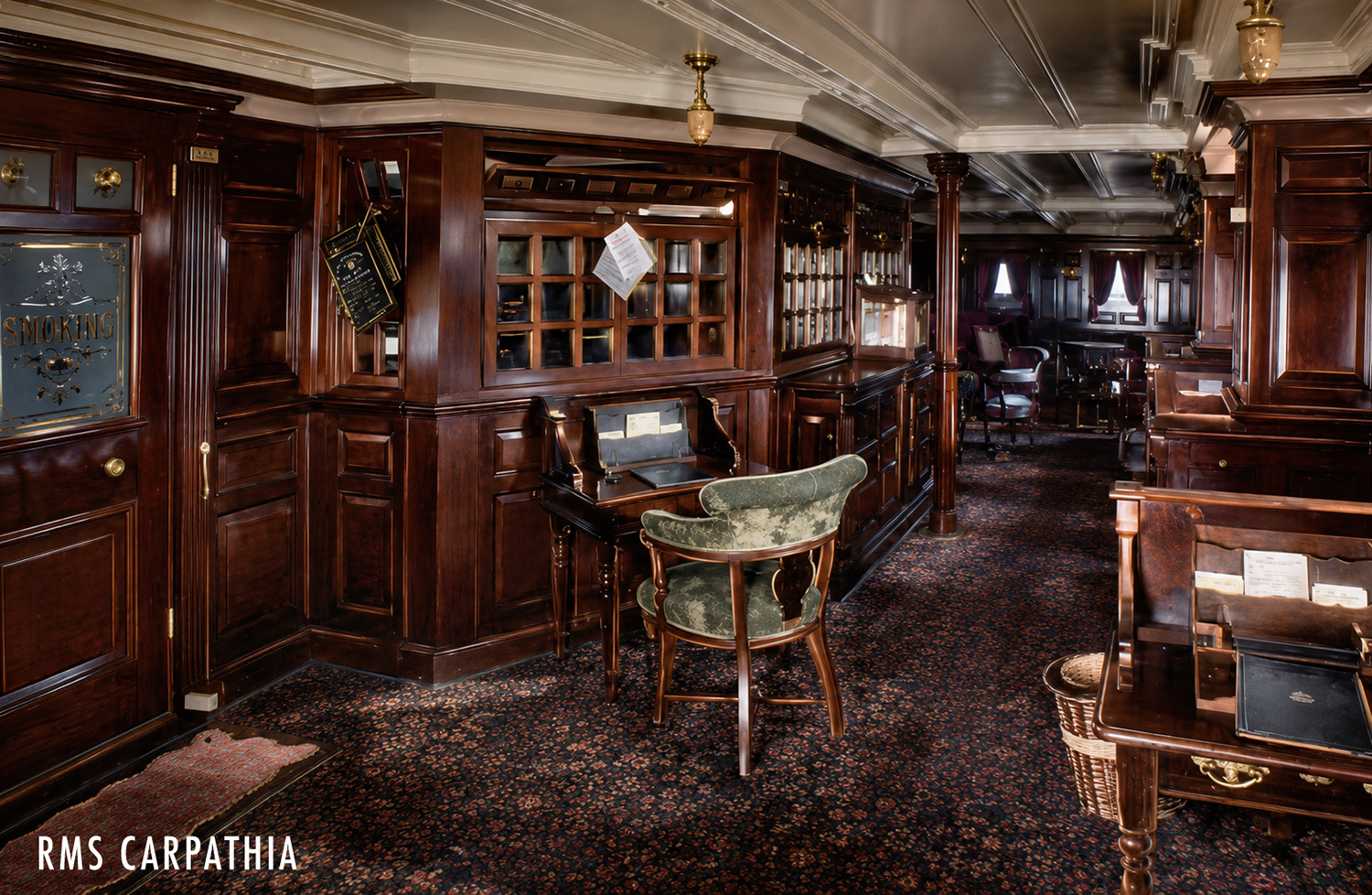
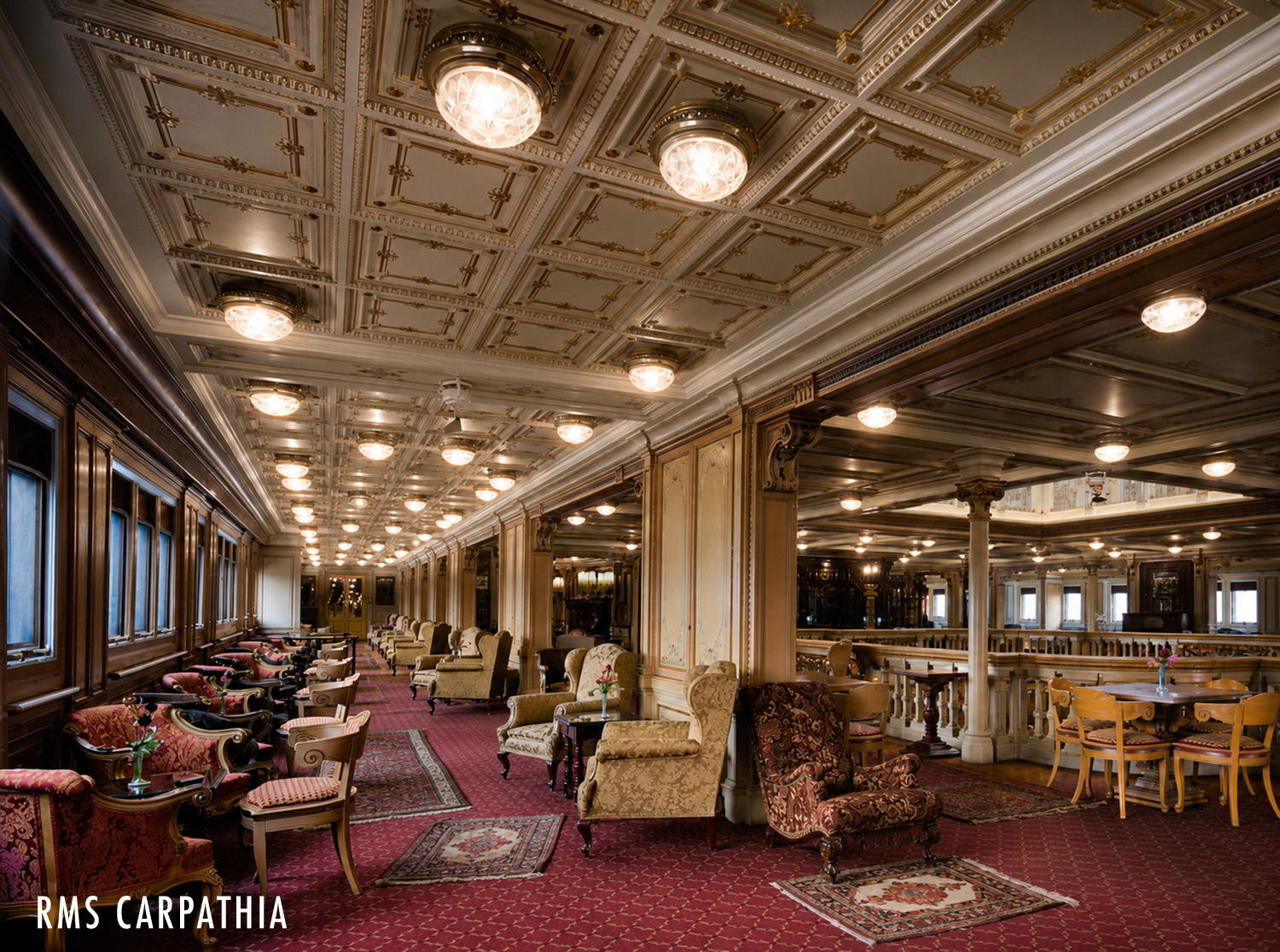
Carpathia was built in 1902 by Swan, Hunter & Wigham Richardson at Wallsend-on-Tyne, England, and entered service in 1903. Designed primarily to carry immigrants across the Atlantic, she was a reliable but relatively modest passenger liner with a normal service speed of about 14 knots. On the night of 14 April 1912, she was sailing from New York to the Mediterranean with approximately 740 passengers and crew aboard when the ship's wireless operator, Harold Cottam, received Titanic's distress call at approximately 12:25 a.m.
Titanic had struck an iceberg less than an hour earlier and was rapidly taking on water. Carpathia was approximately 58 nautical miles (67 miles / 107 km) away. Upon learning of Titanic's plight, Captain Rostron immediately ordered his ship turned toward the reported position. Every effort was made to increase speed. Additional stokers were called to the boiler rooms, steam was diverted from non-essential services, and Carpathia was pushed well beyond her normal operating speed. Estimates suggest she achieved between 17 and 17.5 knots during the rescue run.
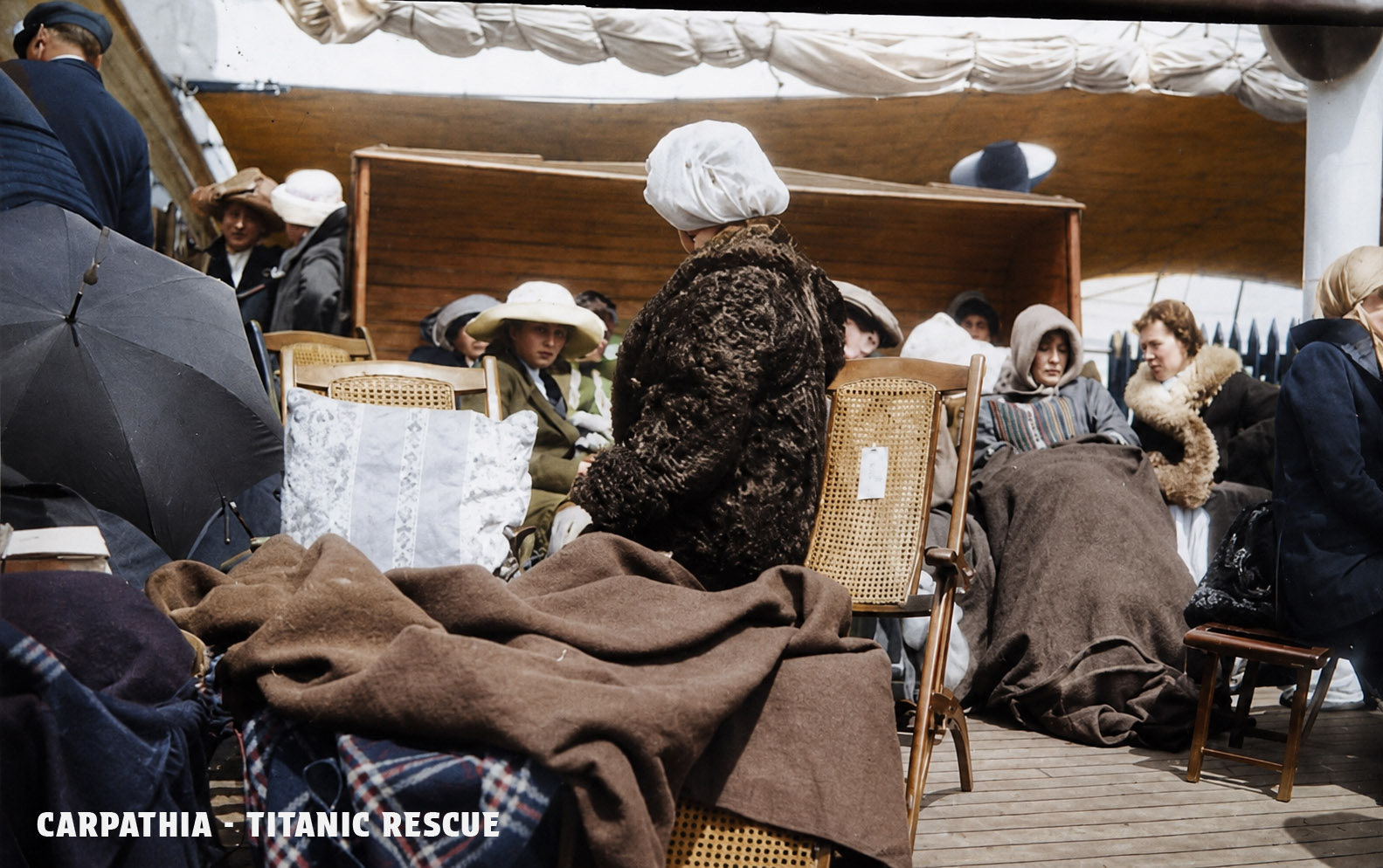
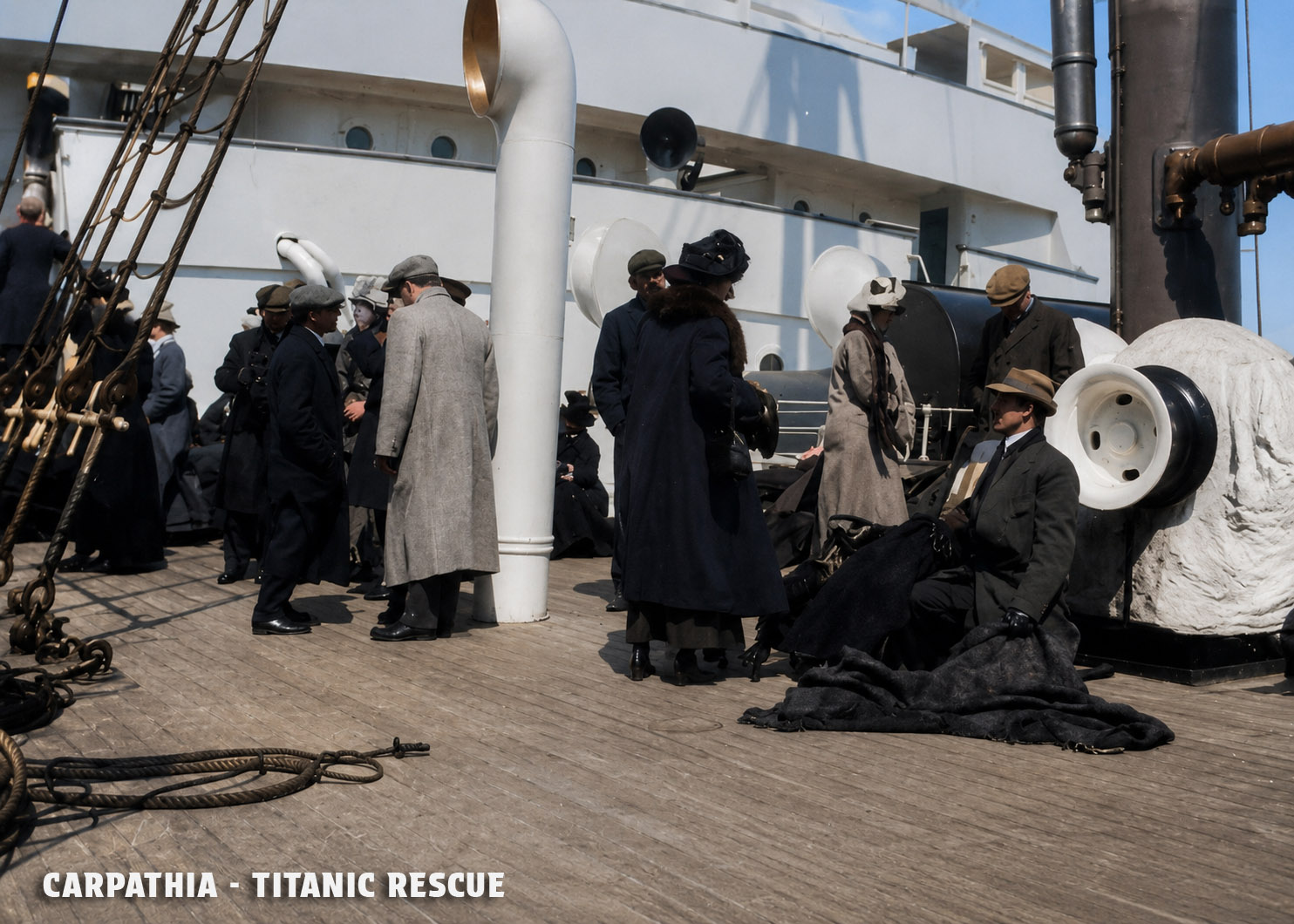
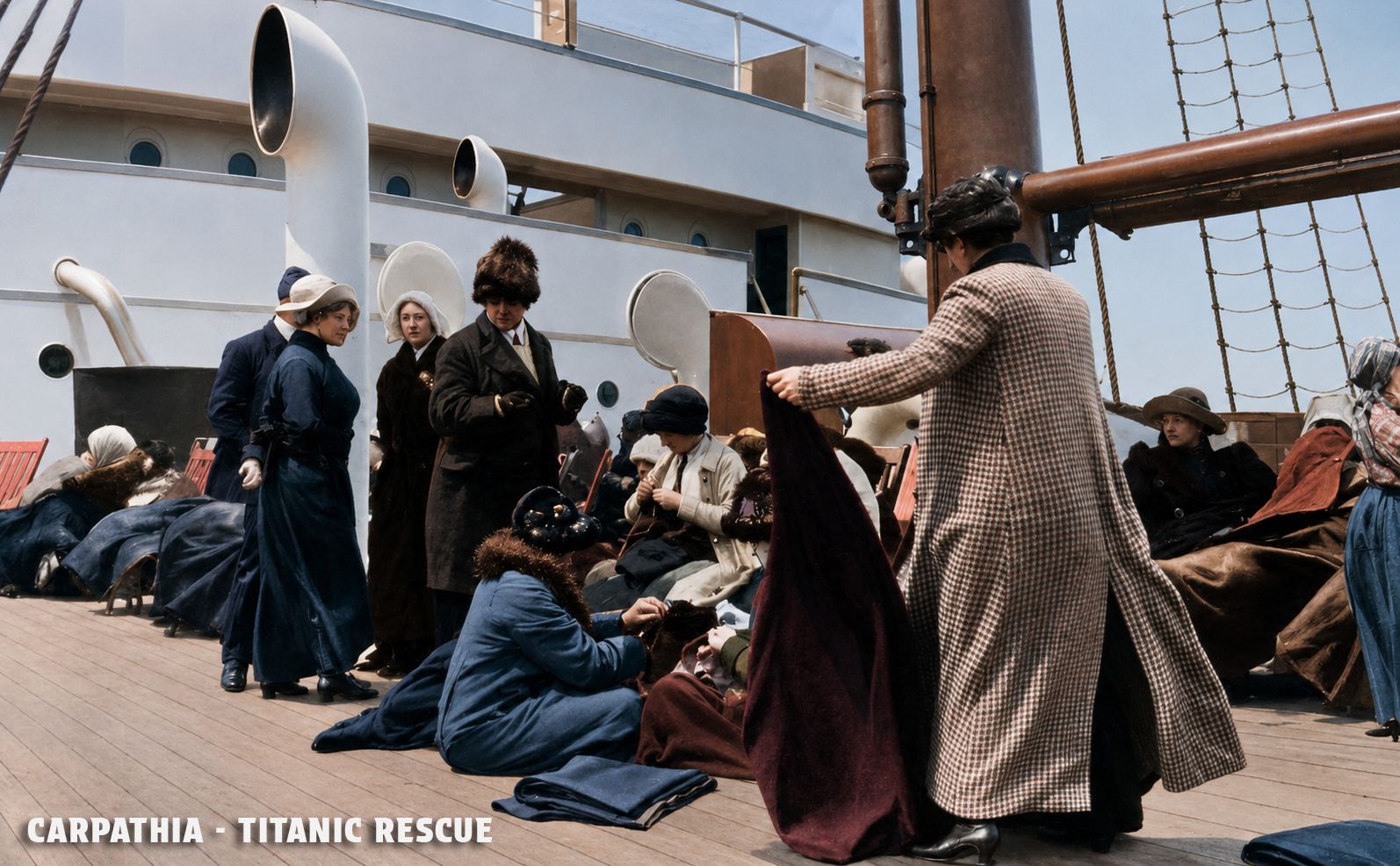
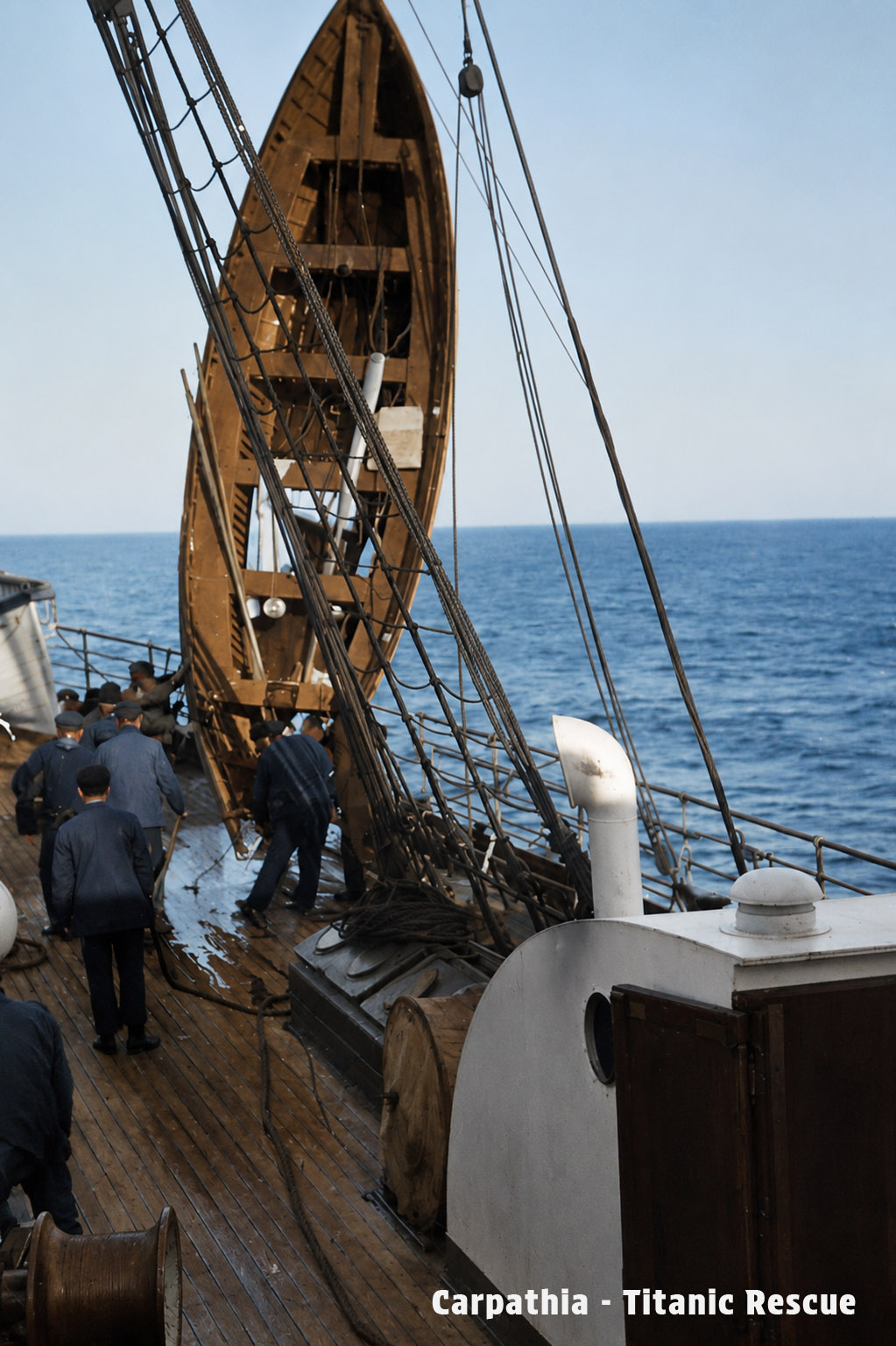
Knowing the dangers that lay ahead, Rostron ordered extra lookouts posted and had the ship's searchlights prepared. Crew members were instructed to prepare hot food, blankets, clothing, and medical facilities for the survivors. Cargo nets, rope ladders, and bosun's chairs were made ready to assist exhausted passengers climbing aboard from the lifeboats.
Carpathia raced through waters known to contain icebergs, a risk that Captain Rostron willingly accepted in the hope of arriving before Titanic was lost. Despite his efforts, Titanic sank at approximately 2:20 a.m., more than an hour before Carpathia could arrive.
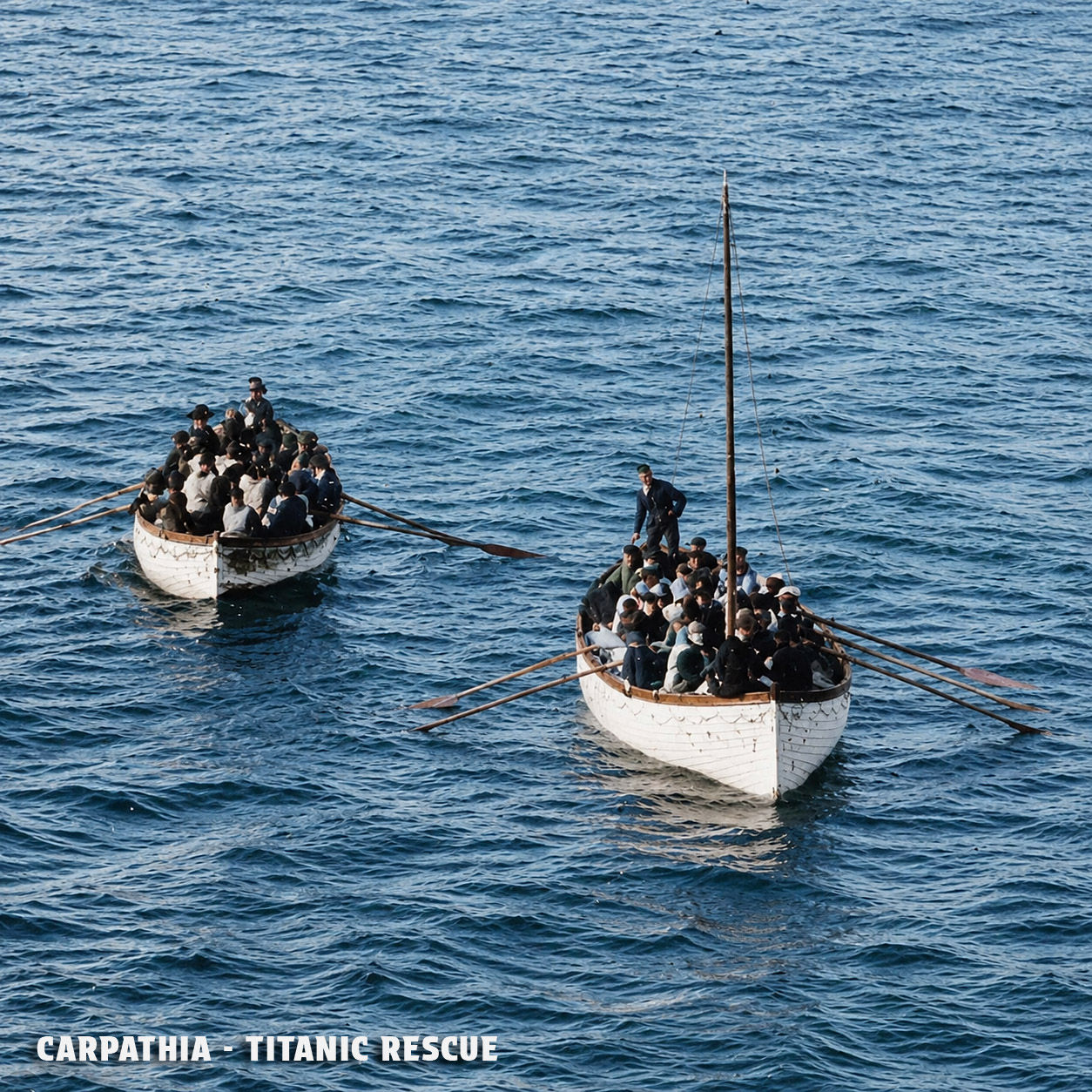
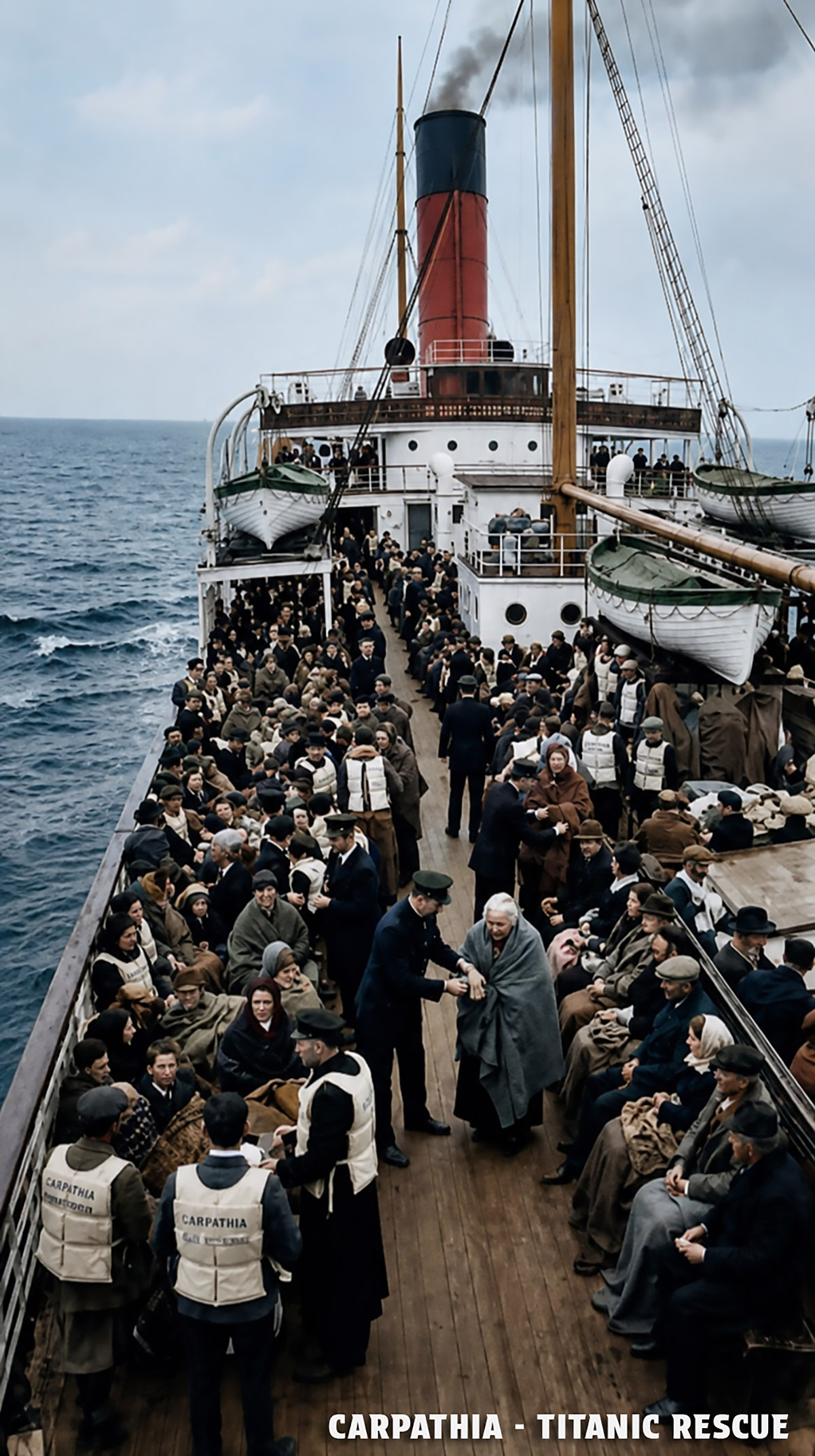
At 4:00 a.m., Carpathia reached Titanic's last reported position. Instead of finding the great liner, she encountered only scattered icebergs and Titanic's lifeboats drifting in the darkness. The first lifeboat reached Carpathia at approximately 4:10 a.m. Throughout the morning, survivors were carefully brought aboard. By 8:30 a.m., the last lifeboat had been recovered.
In total, 705 survivors were rescued. More than 1,500 passengers and crew aboard Titanic perished in the disaster.
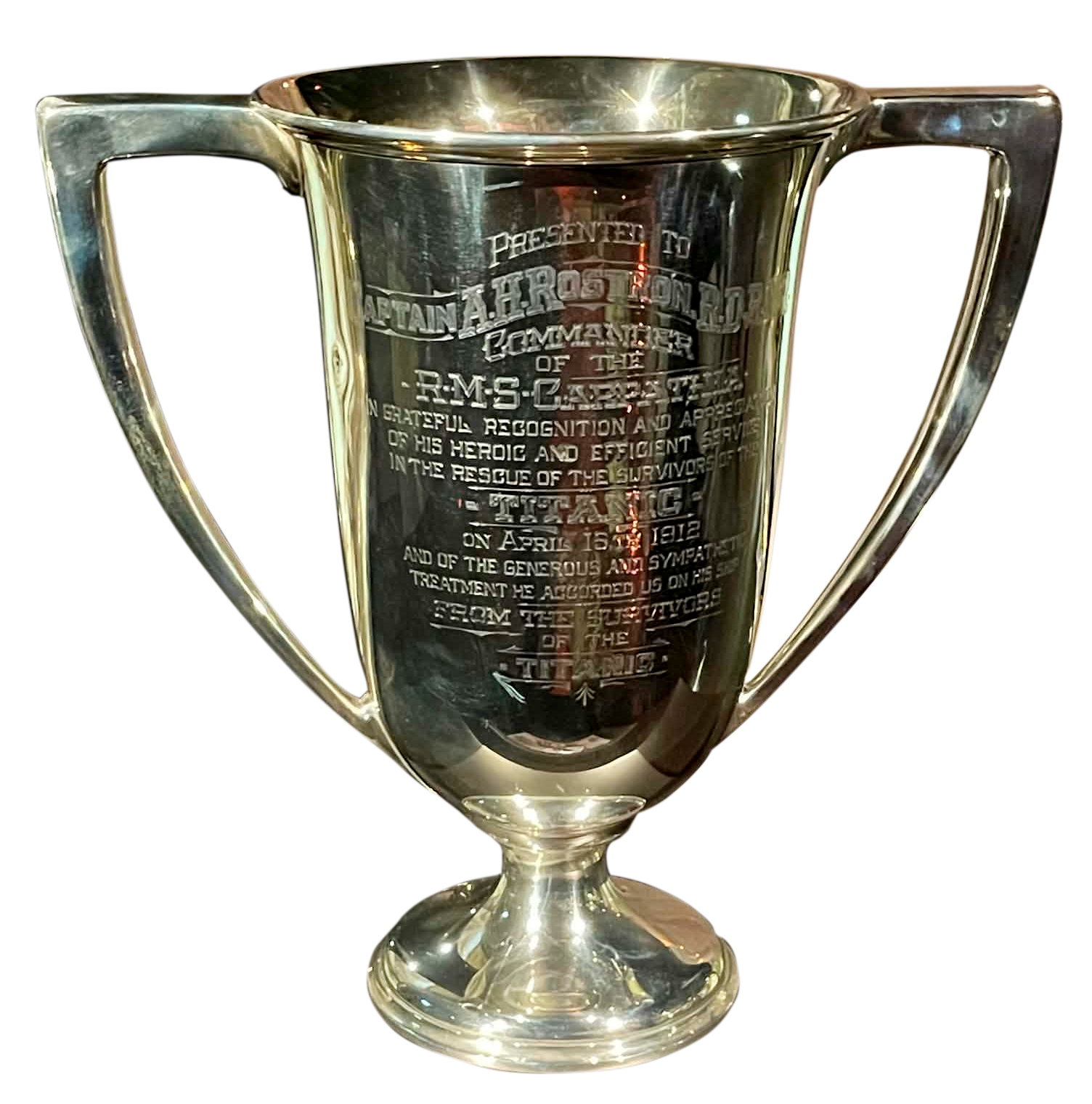
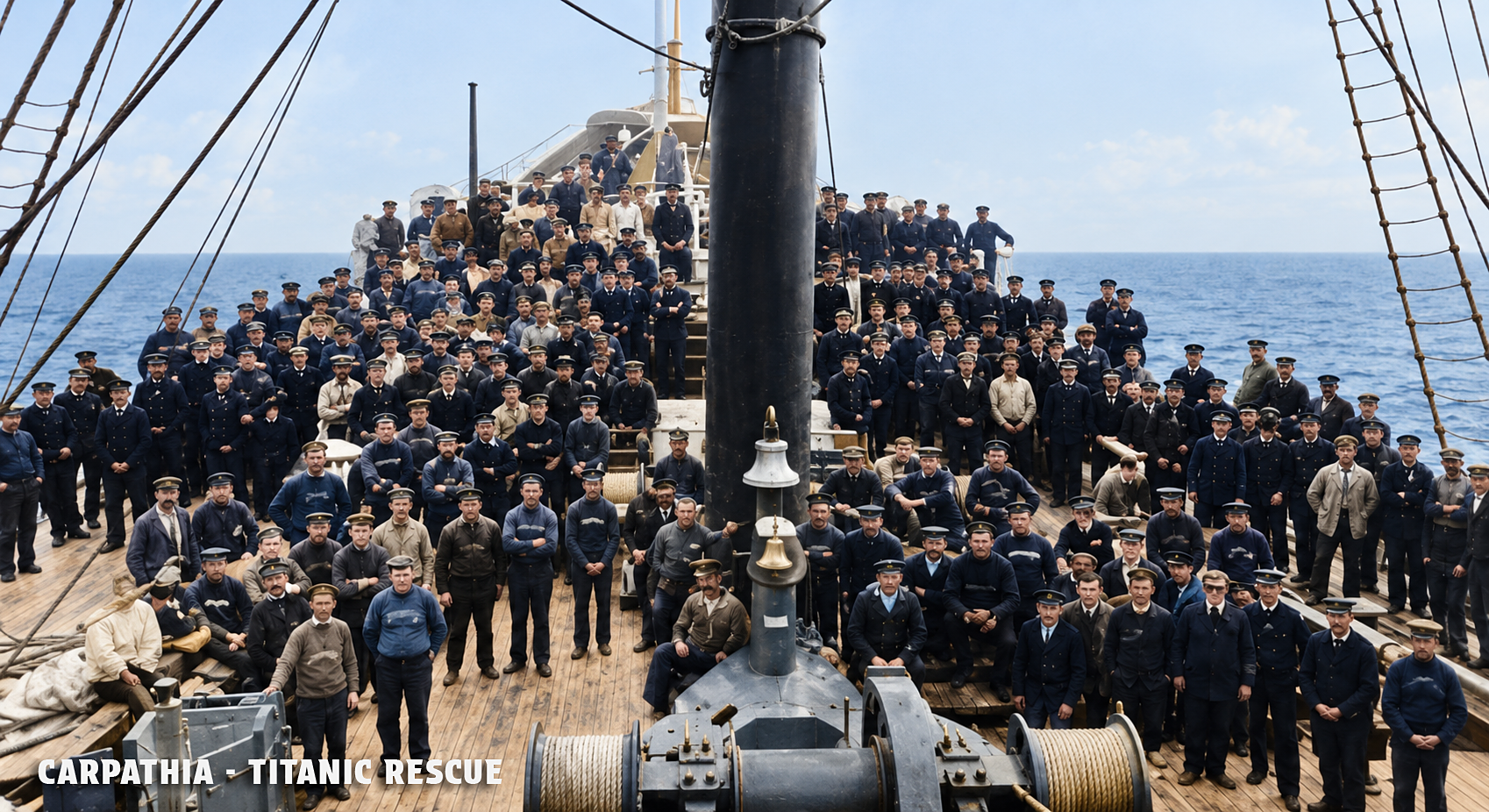
Captain Rostron declined all praise during the rescue, repeatedly crediting his officers and crew for their efforts. Nevertheless, his extraordinary leadership earned international recognition. He was awarded numerous honors, including a gold medal from the survivors of Titanic and was later knighted for his distinguished service.
More than a century later, the rescue carried out by RMS Carpathia remains one of the finest examples of courage, seamanship, and humanitarian service in maritime history—a testament to a captain and crew who answered a desperate call in the darkness of the North Atlantic.
Text on award:
Presented to Captain A.H.Rostron R.D
Commander of the RMS Carpathia
In Grateful Recognition and Appreciation of his Heroic and Efficient Service in the Rescue of the Survivors of the TITANIC on April 15th 1912 and of Generous and Sympathetic Treatment he Accorded us on his ship. From the Survivors of the TITANIC.
Photo by Tim Cashman
(Click Images to Enlarge)
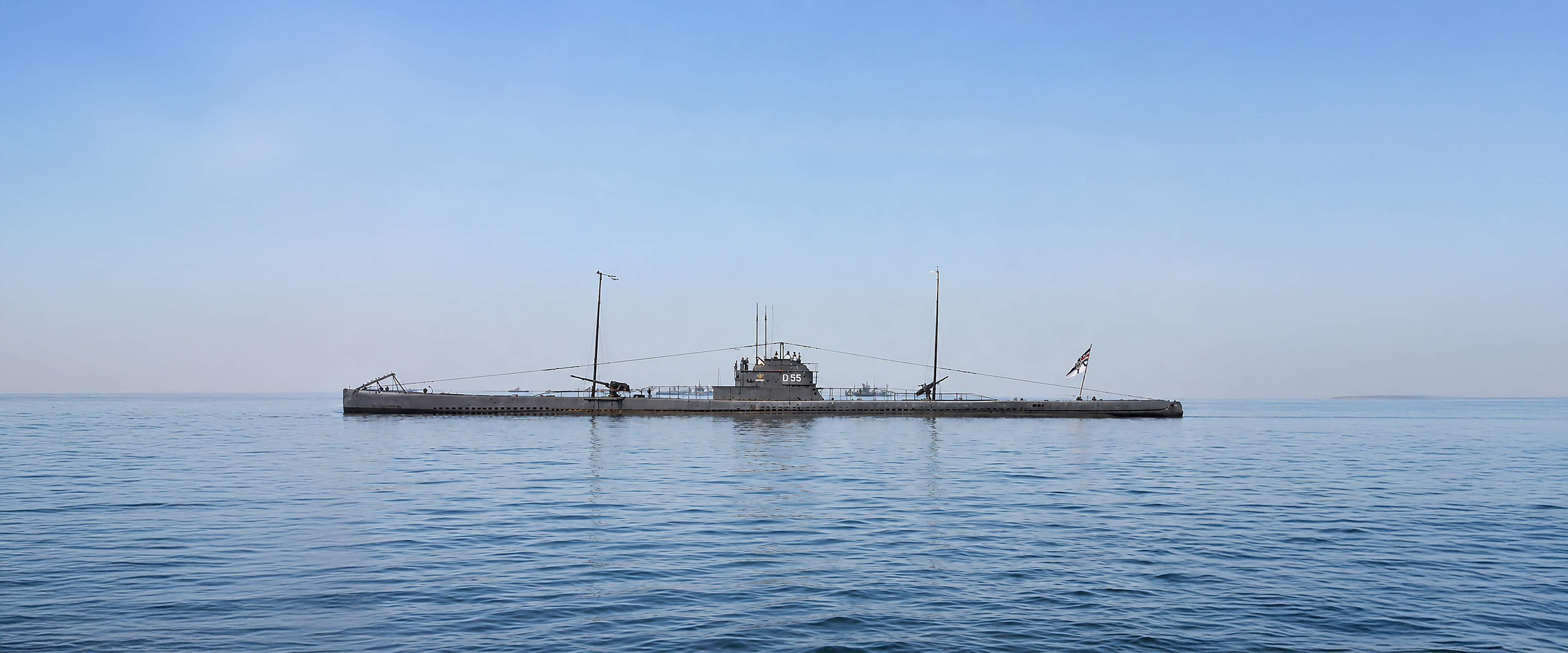
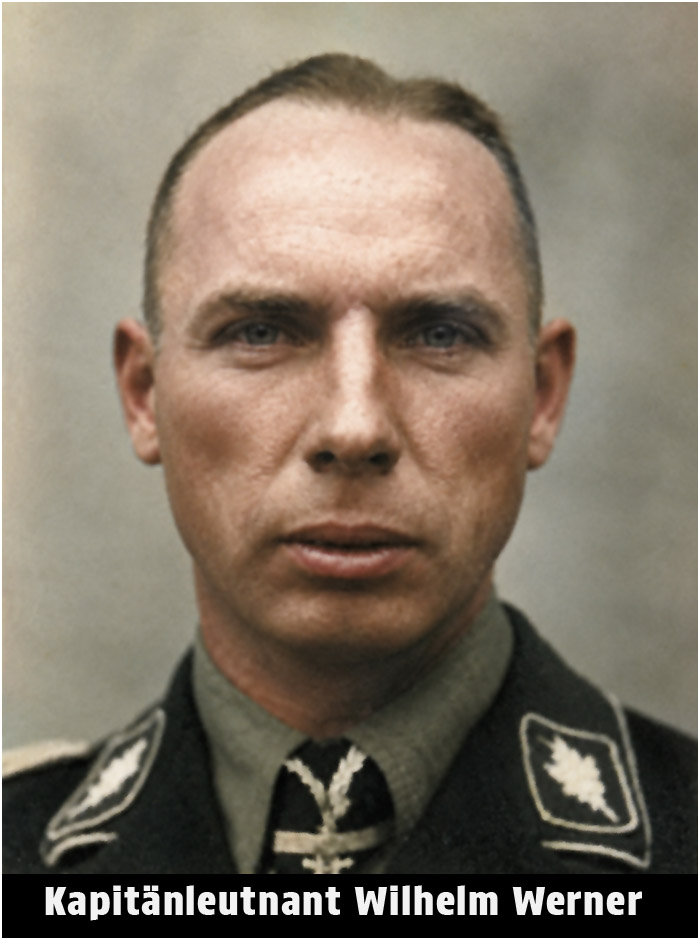
Few figures in World War I naval history remain as controversial as Kapitänleutnant Wilhelm Werner. Celebrated by Imperial Germany as one of its most successful U-boat commanders, Werner was simultaneously condemned by the Allies as a war criminal whose conduct at sea violated the most basic traditions of naval warfare. Ironically, his most famous victim was RMS Carpathia—the ship forever remembered for rescuing the survivors of RMS Titanic six years earlier.
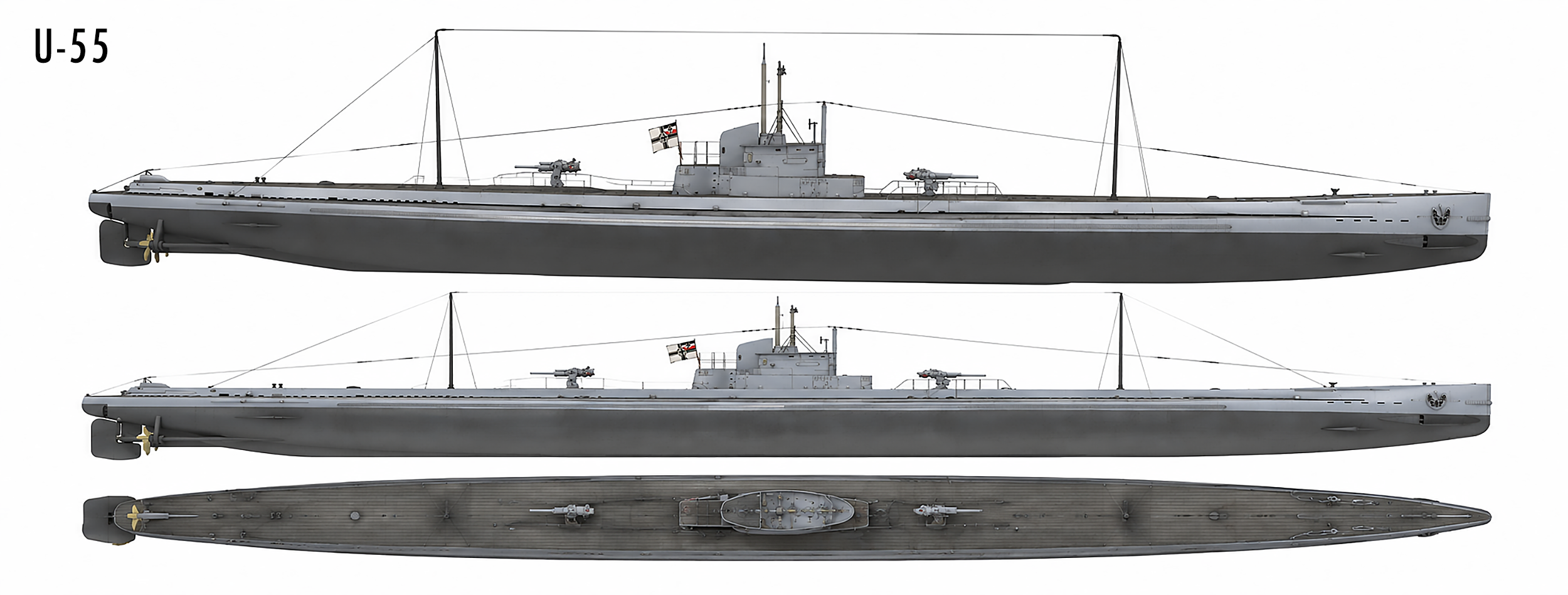
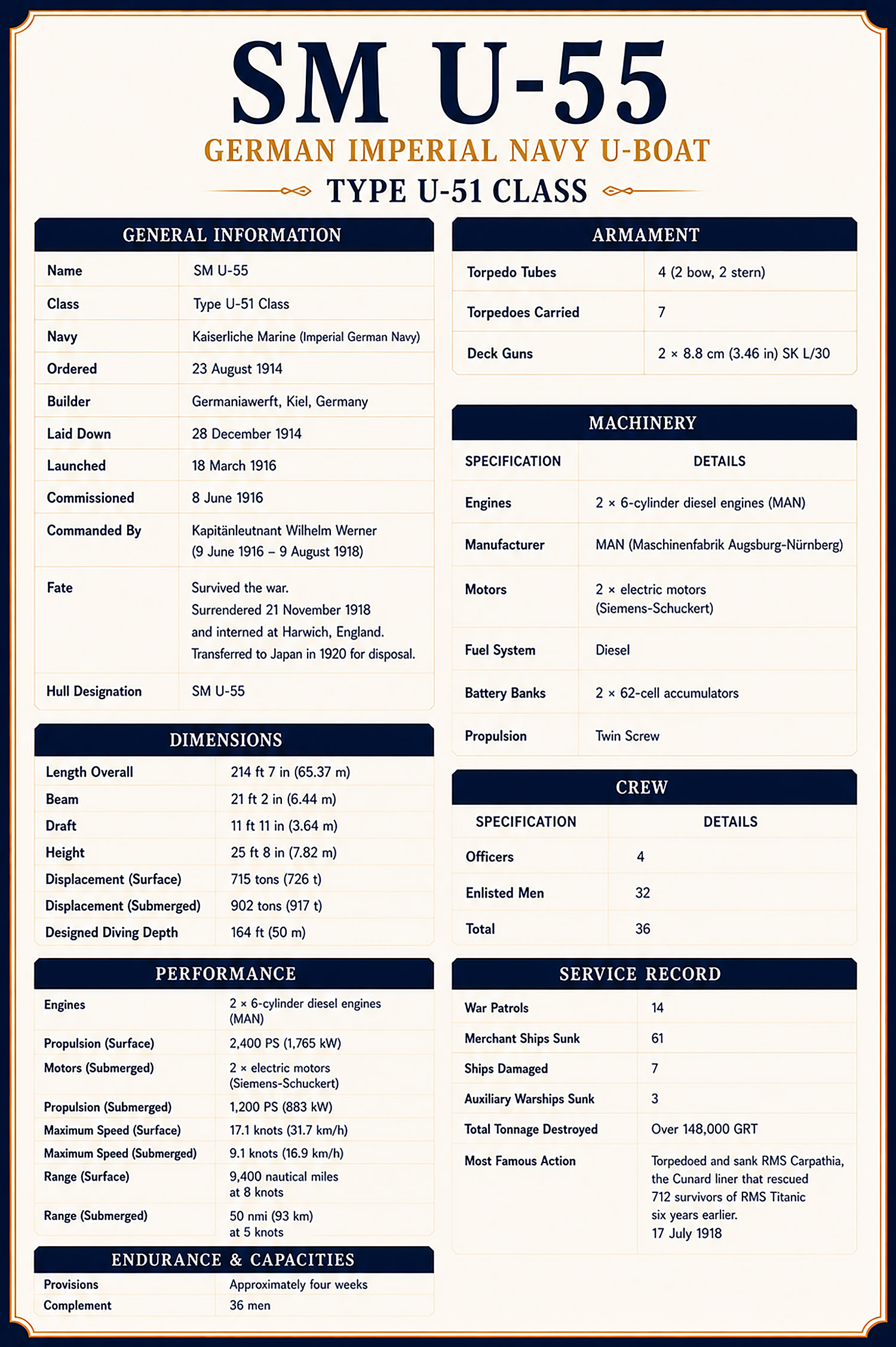
Born on 6 June 1888, Werner entered the Imperial German Navy in 1905 and quickly distinguished himself in Germany's growing submarine service. Following commands aboard the coastal submarines UB-7 and UB-9, he was given command of SM U-55 in June 1916. Under Werner's leadership, U-55 became one of Germany's most successful submarines of the First World War, completing fourteen war patrols and sinking sixty-one Allied vessels totaling more than 126,000 gross register tons.
His military success earned him Imperial Germany's highest military decoration, the Pour le Mérite, commonly known as the "Blue Max."
Yet Werner's reputation extends far beyond his impressive combat record.
During the war he became the subject of numerous Allied allegations of war crimes. Survivors of several sinkings accused Werner of abandoning shipwrecked sailors without adequate means of survival and, in some cases, deliberately placing them in mortal danger. The most notorious incident involved the British merchant vessel SS Belgian Prince in July 1917. Allied investigations alleged that Werner forced members of the crew from their lifeboats before leaving them stranded at sea after U-55 submerged. Only three men survived. Britain later included Werner among those sought for prosecution following the war.
Perhaps most troubling was Werner's willingness to attack vessels traditionally afforded special protections under international law. On 4 January 1918, U-55 torpedoed the British hospital ship Rewa despite her being illuminated and clearly marked as a hospital ship. Although nearly everyone aboard survived, the attack further solidified Werner's controversial reputation.
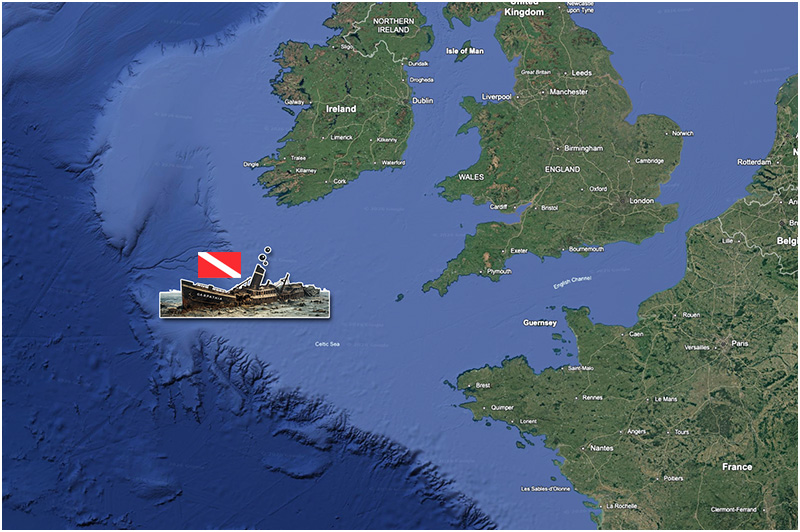
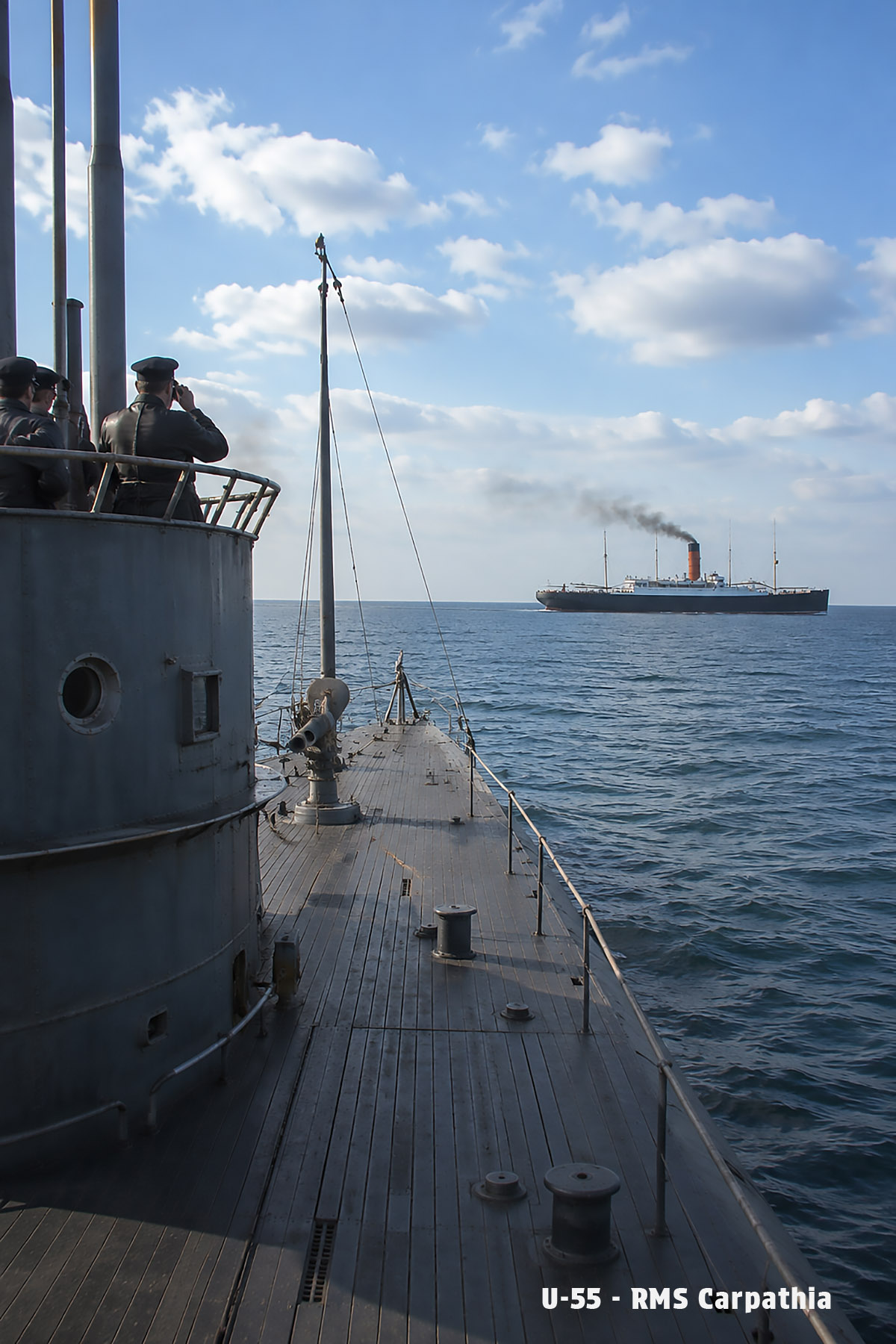
On 17 July 1918, Wilhelm Werner entered maritime history once again when U-55 intercepted RMS Carpathia approximately 120 miles west of Fastnet Rock, Ireland. Traveling from Liverpool to Boston carrying passengers, crew, and military cargo, Carpathia had become world famous after rescuing 712 survivors of Titanic on 15 April 1912.
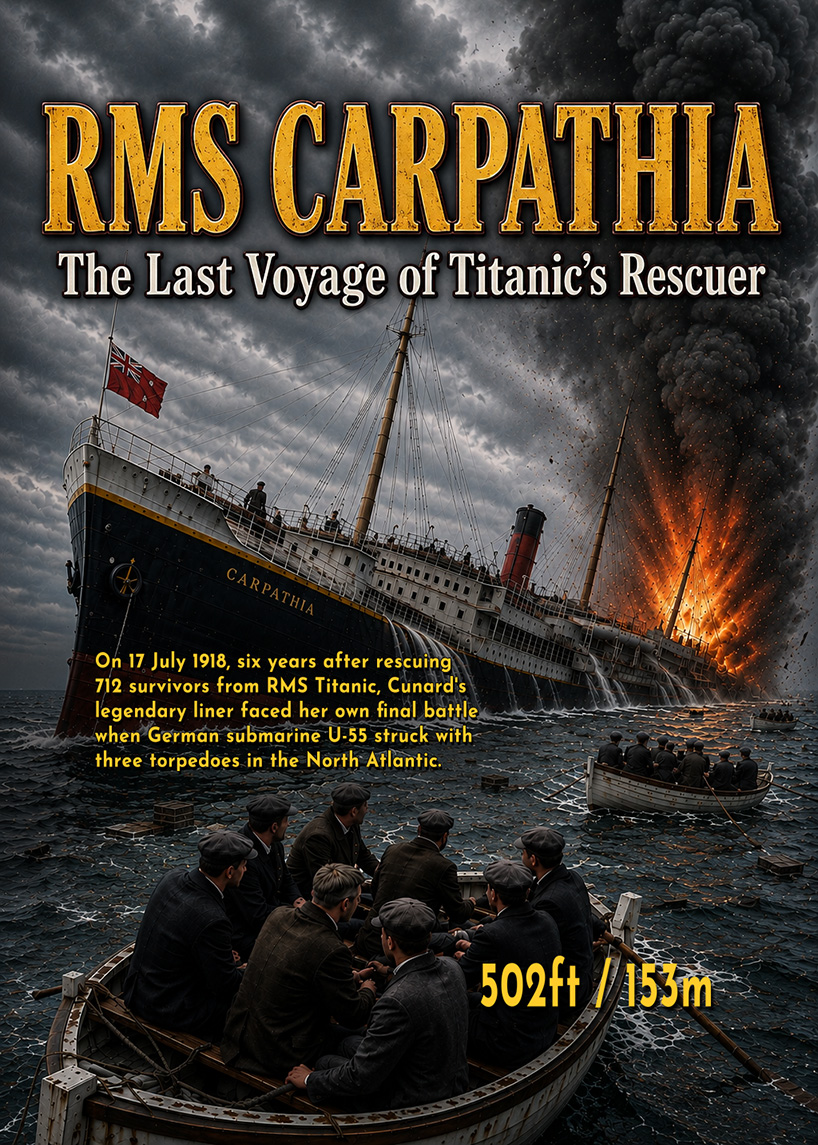
Werner fired two torpedoes into Carpathia's port side before delivering a third strike during the evacuation. Despite the damage, Captain William Prothero managed an orderly abandonment of the vessel. Five crew members lost their lives, while 218 of the 223 people aboard survived and were rescued by HMS Snowdrop.
After World War I, Werner fled Germany before war crimes proceedings could begin, spending several years in Brazil before returning home. The charges against him were ultimately dismissed in 1926. He later joined the Nazi Party and rose to the rank of SS-Brigadeführer while serving under Heinrich Himmler during the Third Reich.
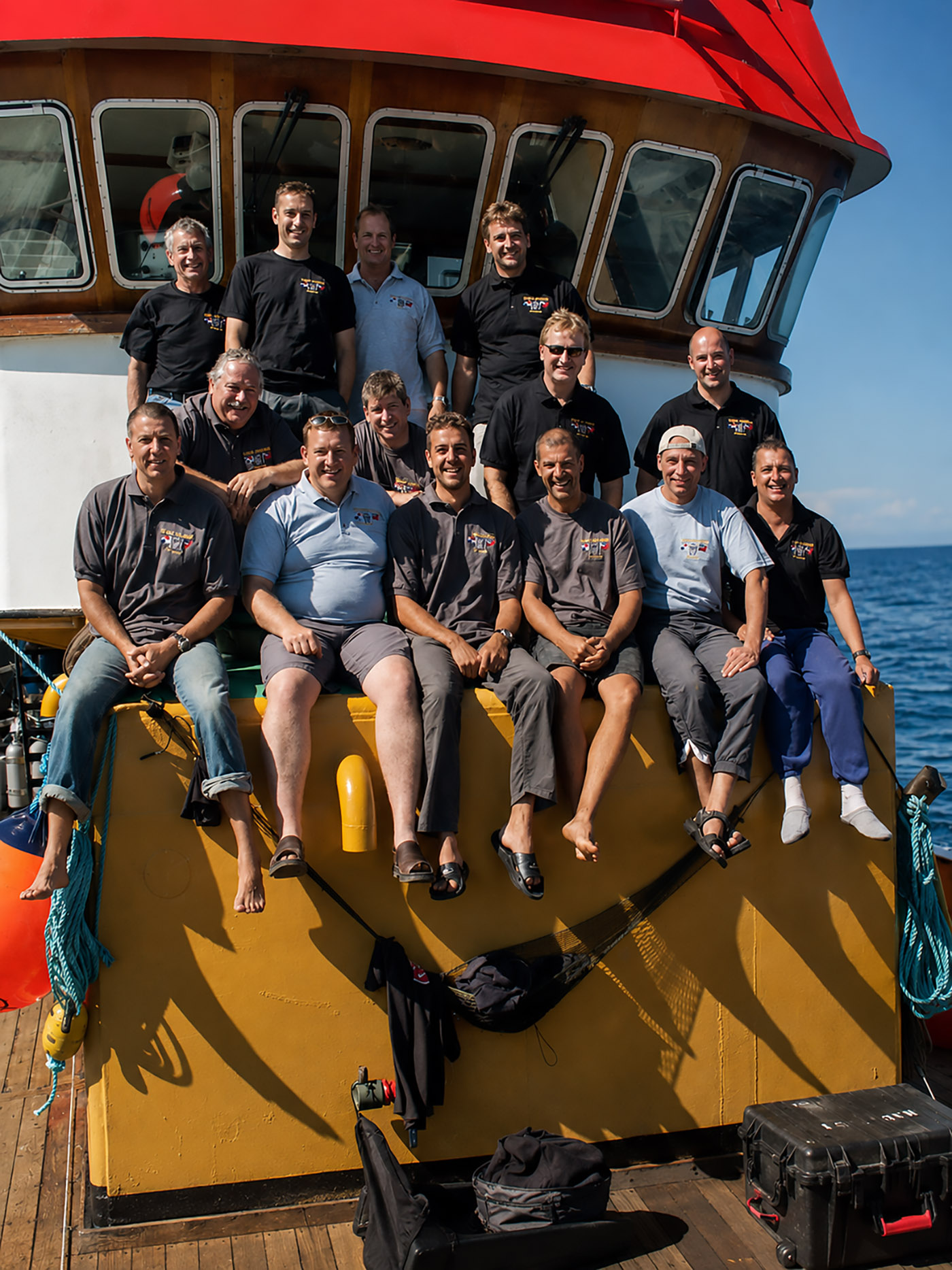
Left to Right Back Row: Ocean Dancer crew 1&2, Tim Cashman, Carl Spencer.
Second Row: John Mayo (skipper), Jeff Cornish, Mark Elliot, Ocean Dancer crew
Front Row: Ric Waring, Duncan Keats, Andrea Bozini, Edwardo Pavia, Helmuth Biechl, Ocean Dancer crew, Richie Stevenson not shown










 he world that RMS Carpathia had known in 1912 no longer existed.
 For four long years, war had transformed the Atlantic Ocean from one of the world's great highways of commerce into a battlefield stretching from the British Isles to the eastern shores of North America. Merchant vessels sailed under wartime regulations. Passenger liners steamed darkened across dangerous waters. German submarines prowled the shipping lanes in search of Allied shipping while captains and crews maintained an unending vigilance against dangers that often remained hidden until it was too late.




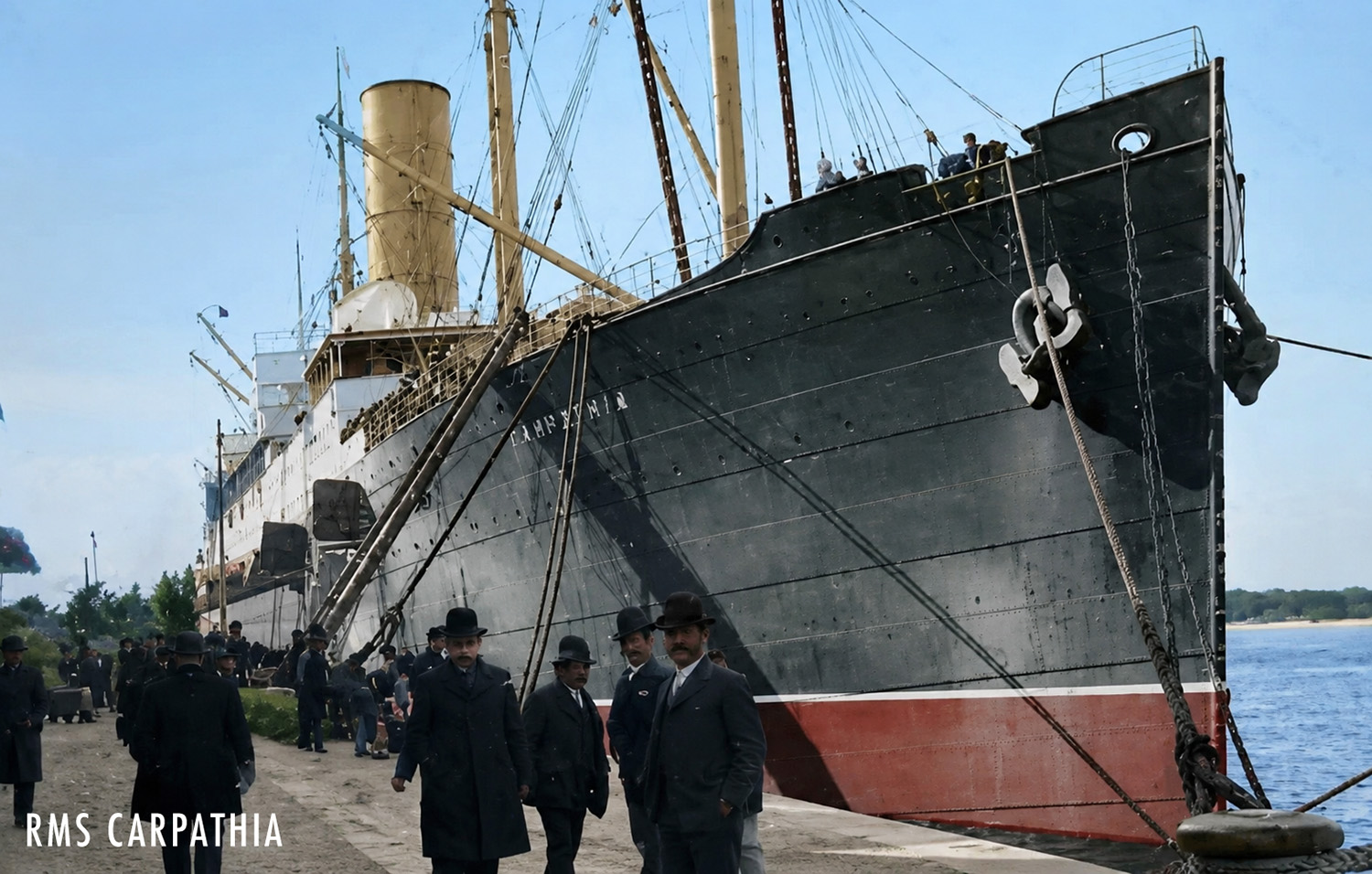
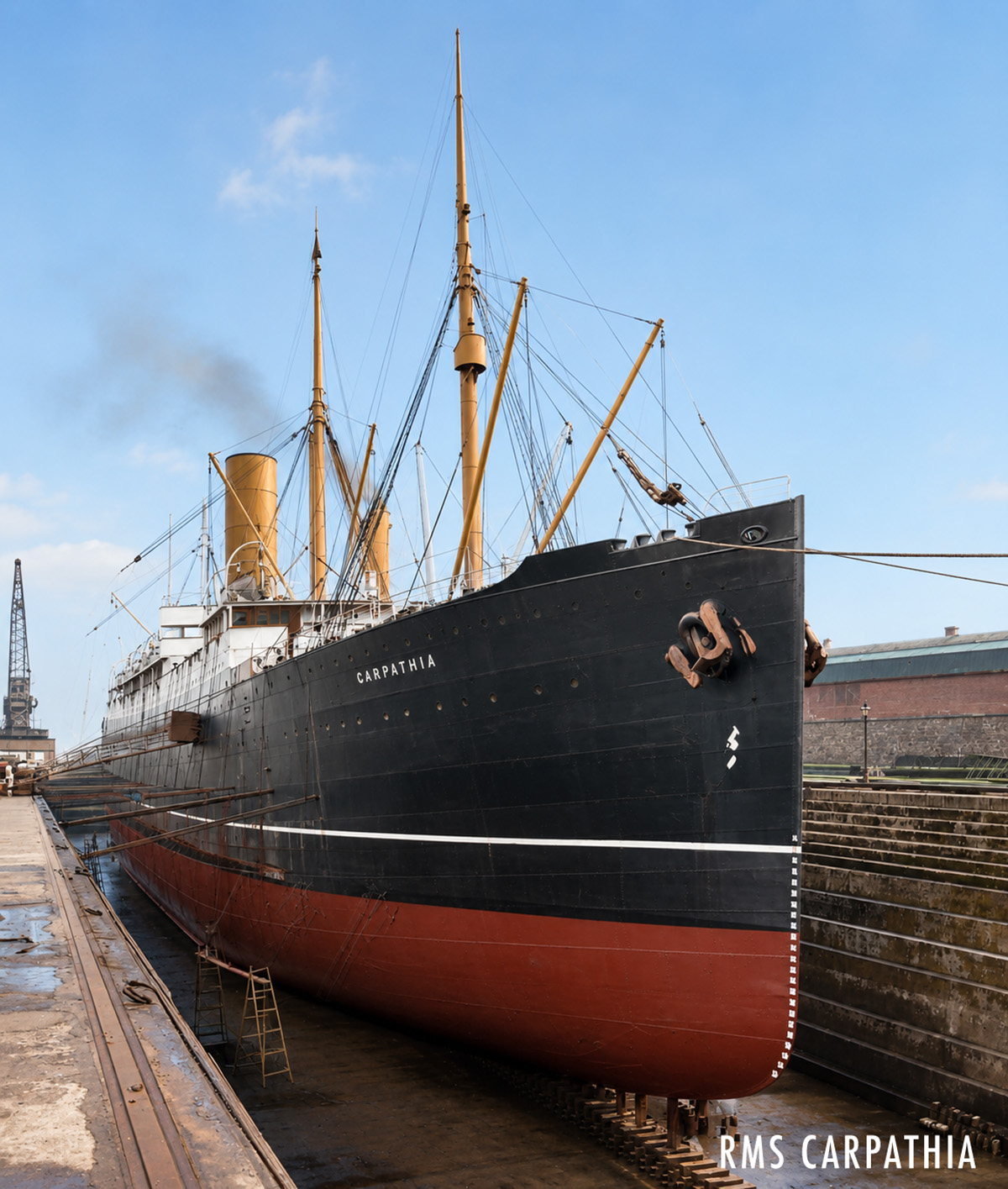
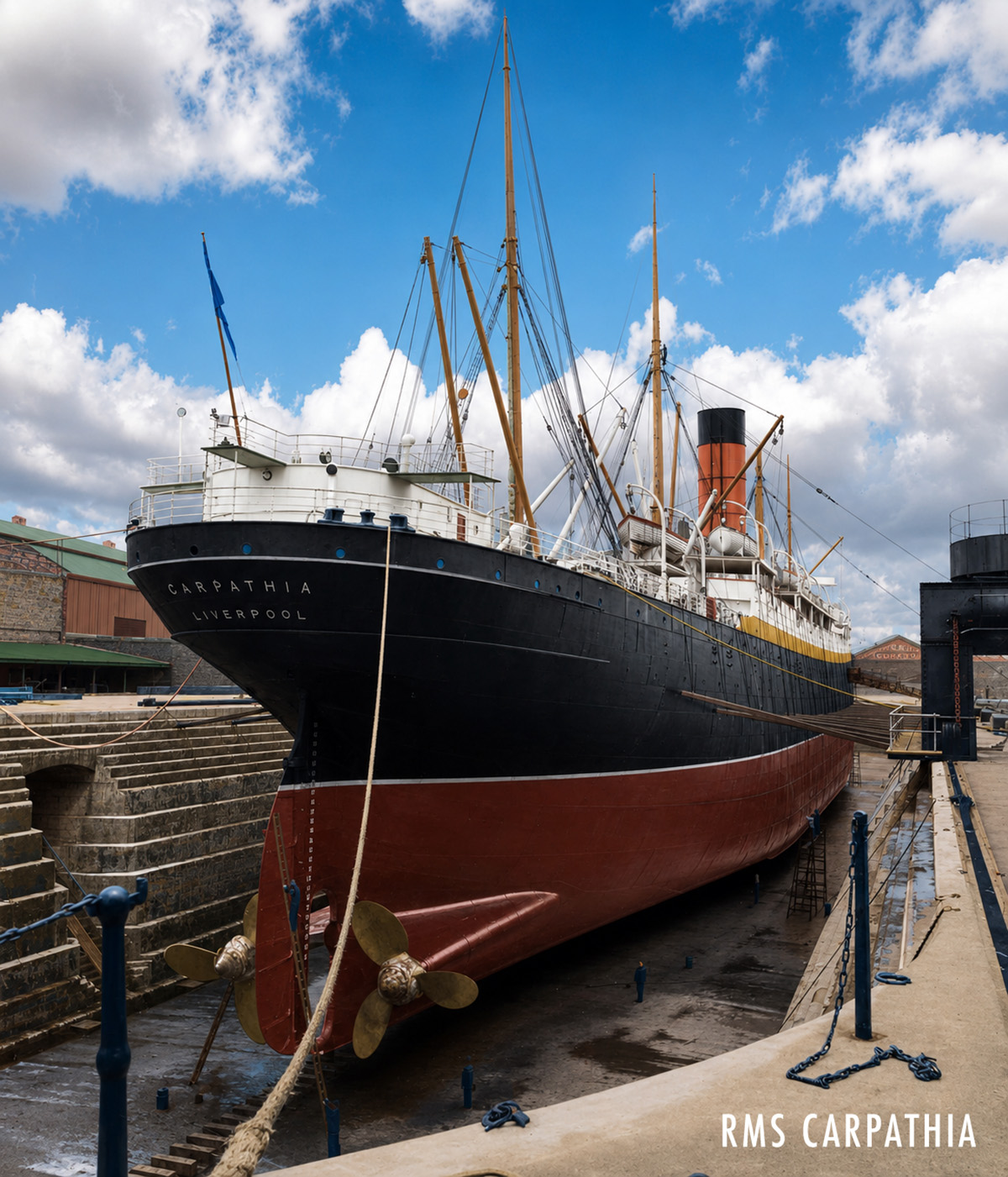
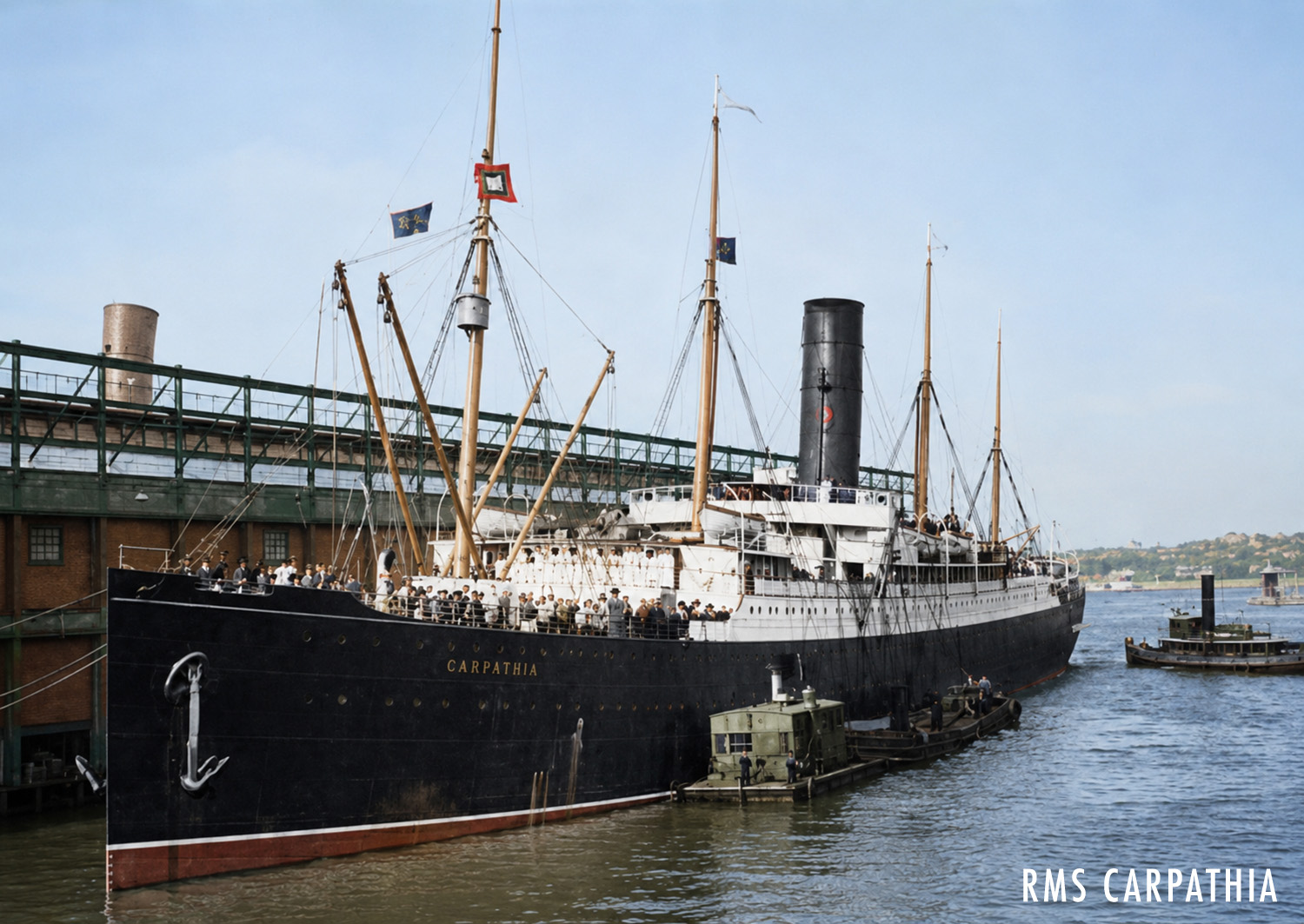
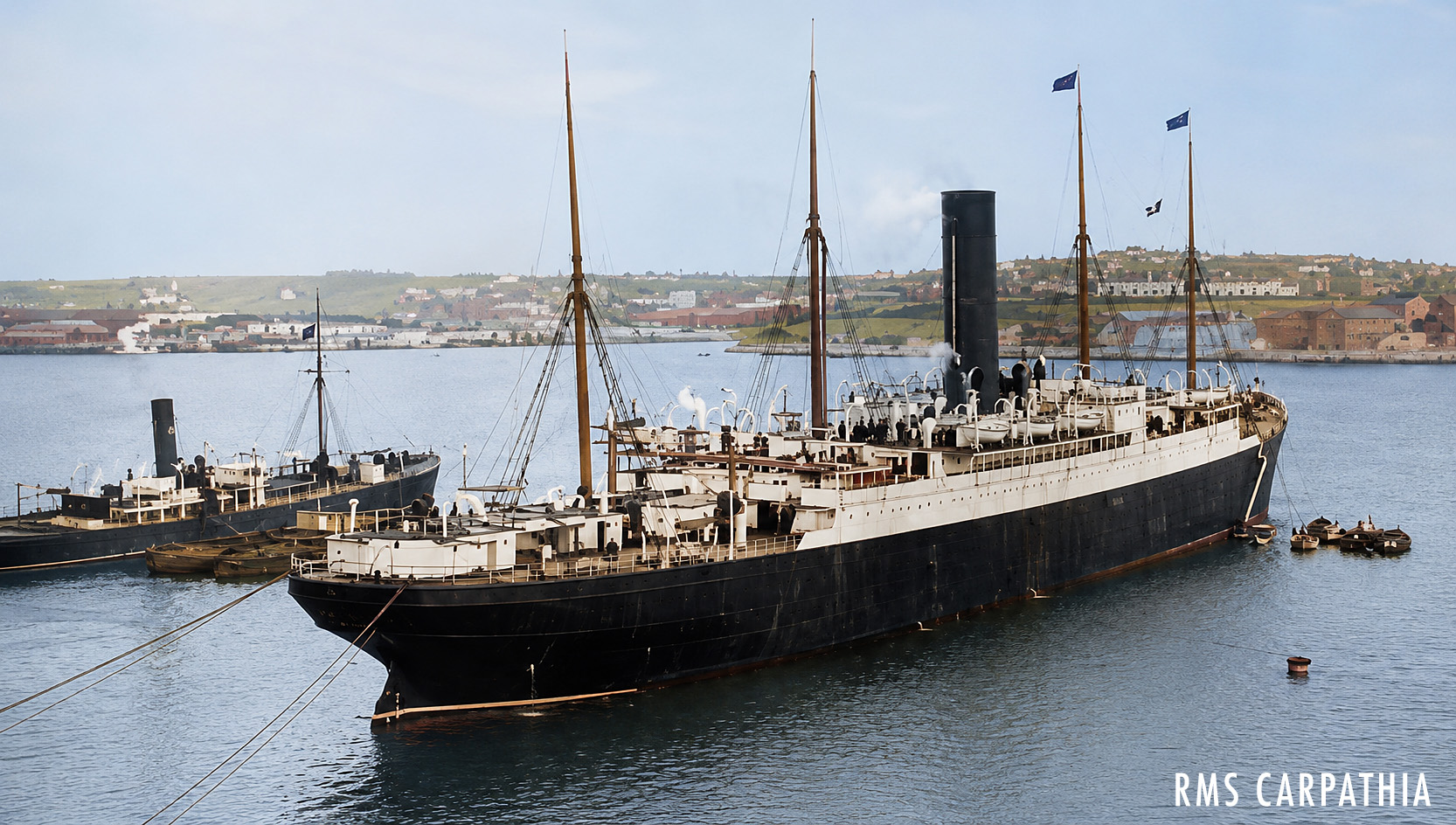
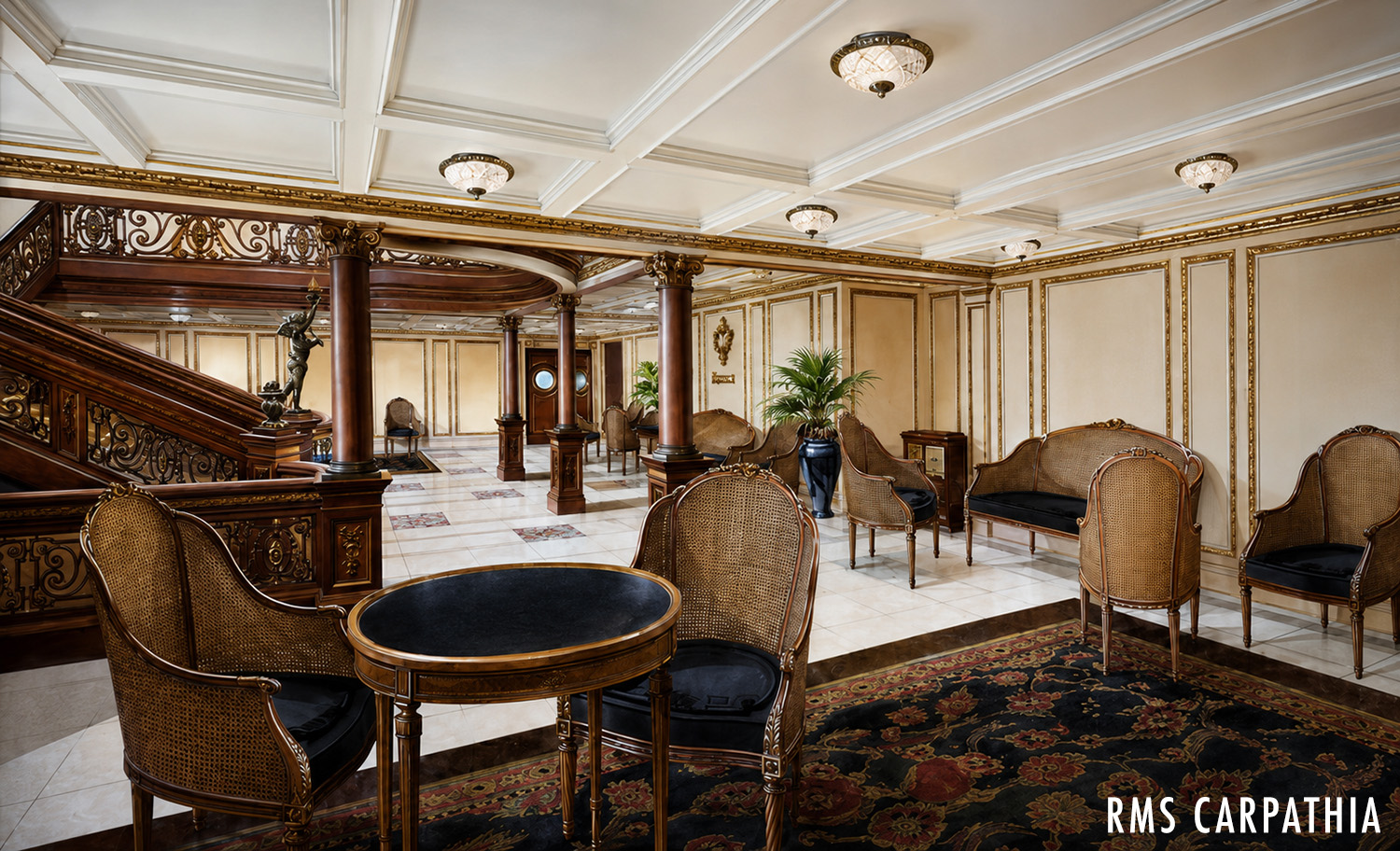
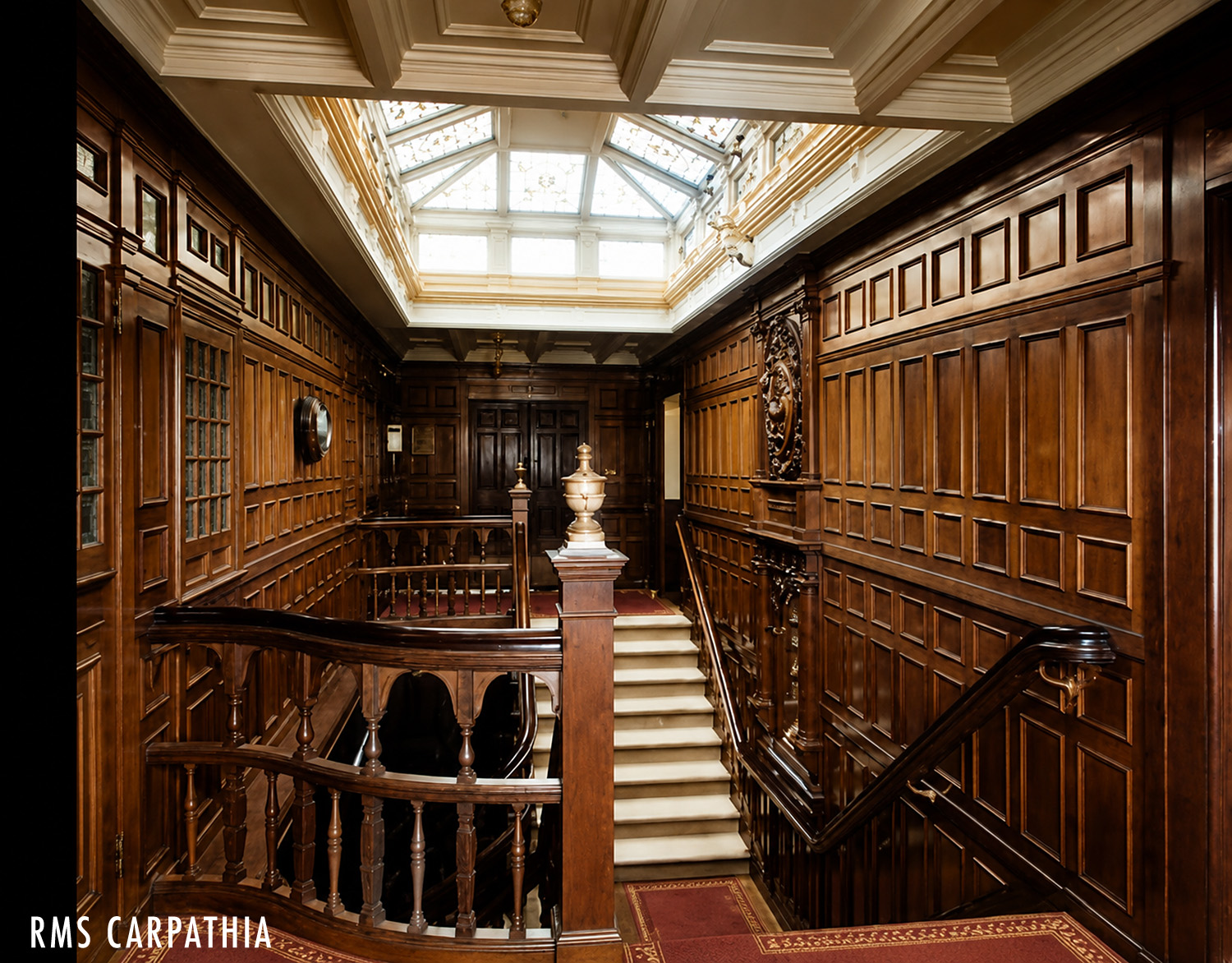

 Carpathia was built in 1902 by Swan, Hunter & Wigham Richardson at Wallsend-on-Tyne, England, and entered service in 1903. Designed primarily to carry immigrants across the Atlantic, she was a reliable but relatively modest passenger liner with a normal service speed of about 14 knots. On the night of 14 April 1912, she was sailing from New York to the Mediterranean with approximately 740 passengers and crew aboard when the ship's wireless operator, Harold Cottam, received Titanic's distress call at approximately 12:25 a.m.