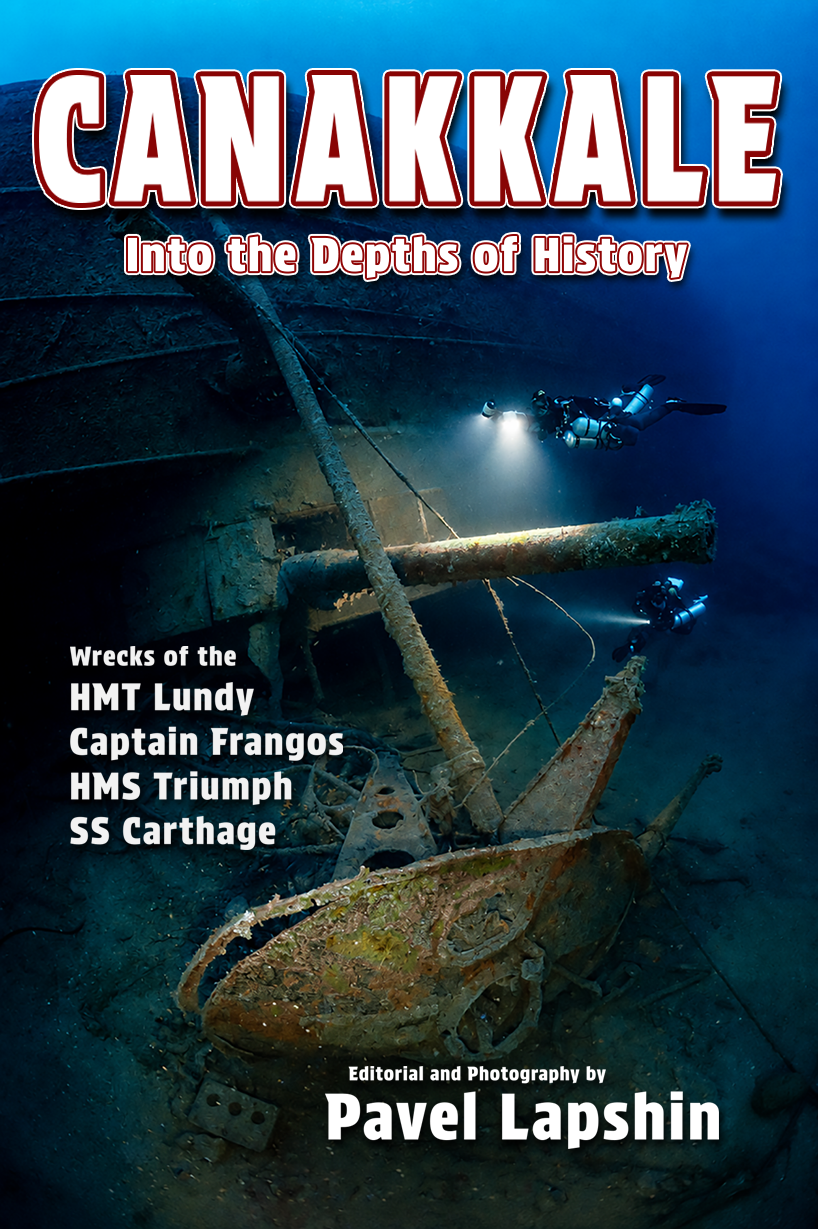
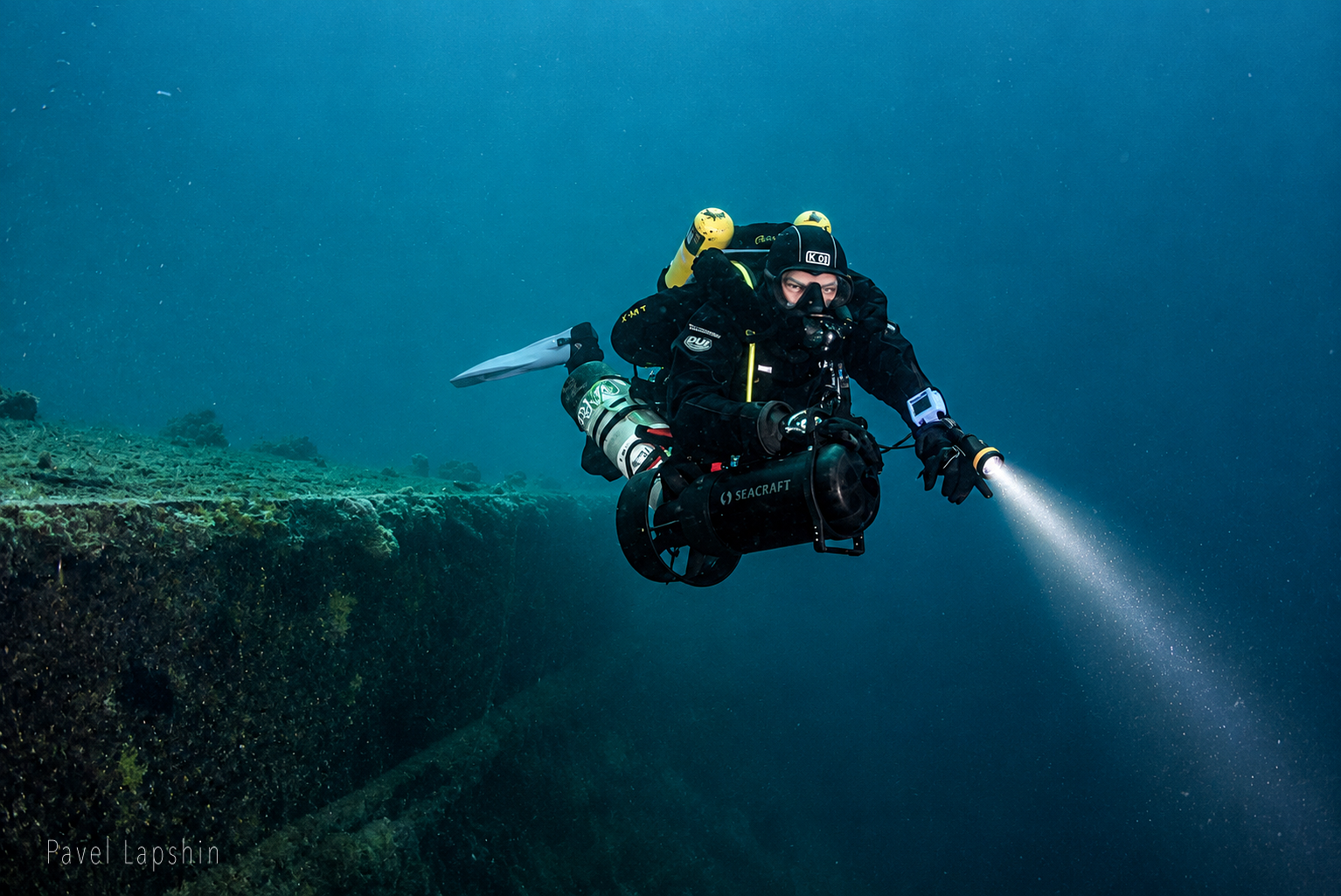
The Dardanelles Strait is one of the few places on Earth where history lies not only in archives and museums, but also on the seabed itself. It was here, in 1915, that one of the largest and most dramatic campaigns of the First World War unfolded—the Gallipoli Campaign. Hundreds of vessels belonging to the Allied and Ottoman forces took part in the struggle for control of the strait, and many of them remain beneath the water to this day.
For technical divers, Çanakkale has long been a special destination. The opportunity to touch authentic history and explore warships and merchant vessels preserved for more than a century turns every dive into a true journey through time.
A Year in Preparation
Our expedition began to take shape nearly a year before departure. The main objective was a series of deep dives on some of the most significant wrecks of the Gallipoli region.
Projects like these require extensive preparation: obtaining local permissions, selecting the best season, arranging logistics, gas support, and assembling an experienced team.
A great deal of assistance was provided by our colleague and friend from Kaş, Turkey, İmran Akkurt of Adalya Dive. Thanks to his support, we were able to schedule our dives for early June, when weather conditions in the Dardanelles are usually at their most stable.
The Team
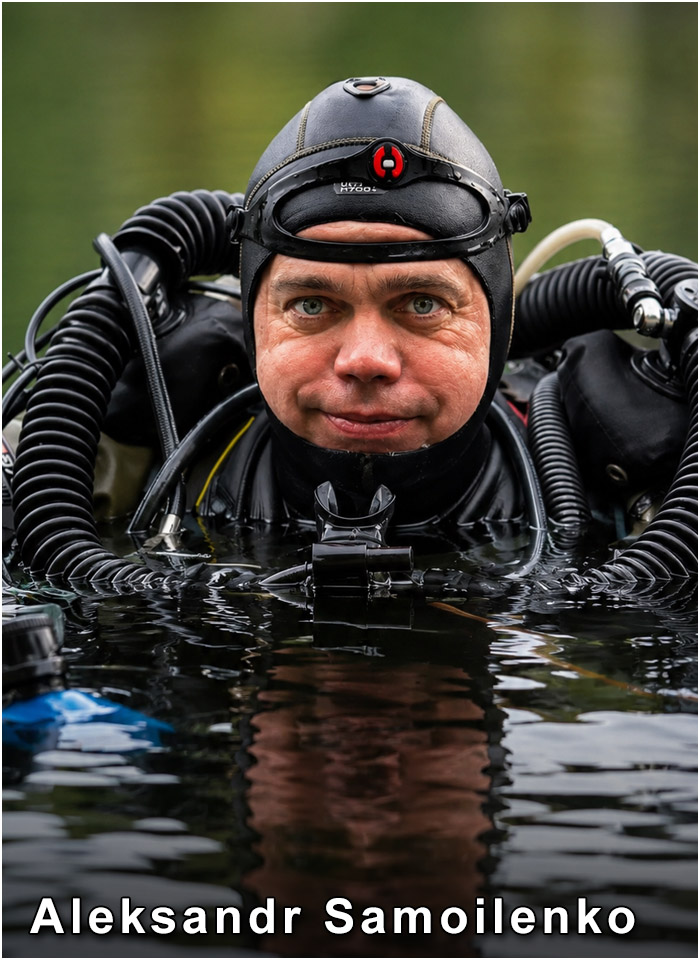
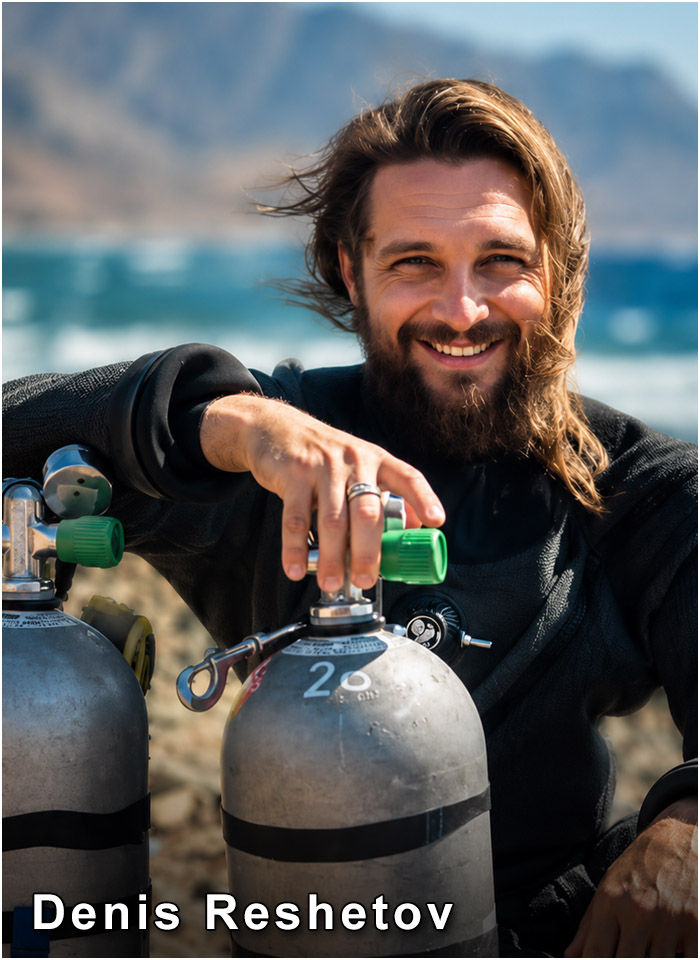
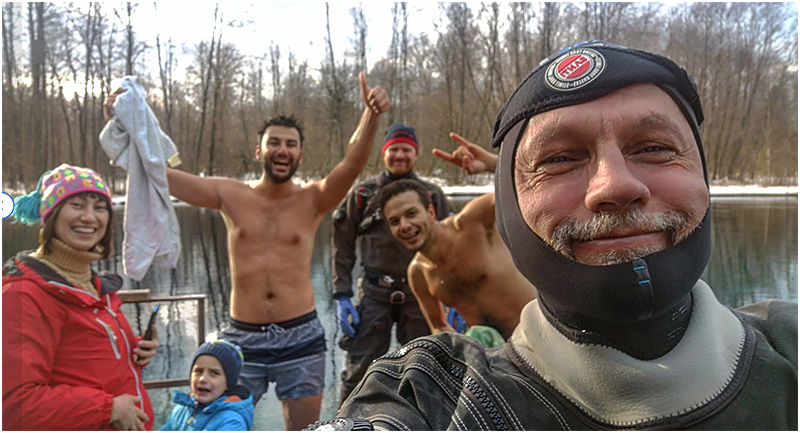
The expedition consisted of four technical divers.
Each team member followed a different route to Turkey. Some flew to Istanbul and continued by car, while one diver drove all the way from Yoshkar-Ola in Russia through Georgia and along the entire Turkish coastline before reaching Çanakkale.
Our meeting point was the small town of Eceabat, situated on the European side of the strait. From here, dive boats depart daily toward the legendary wrecks of Gallipoli.
Additional equipment and gases had been arranged in advance, although several plans had to be adjusted on site according to actual conditions.
Ahead of us lay four very different wrecks, each deserving a story of its own.
Lundy — The First Encounter with the Dardanelles
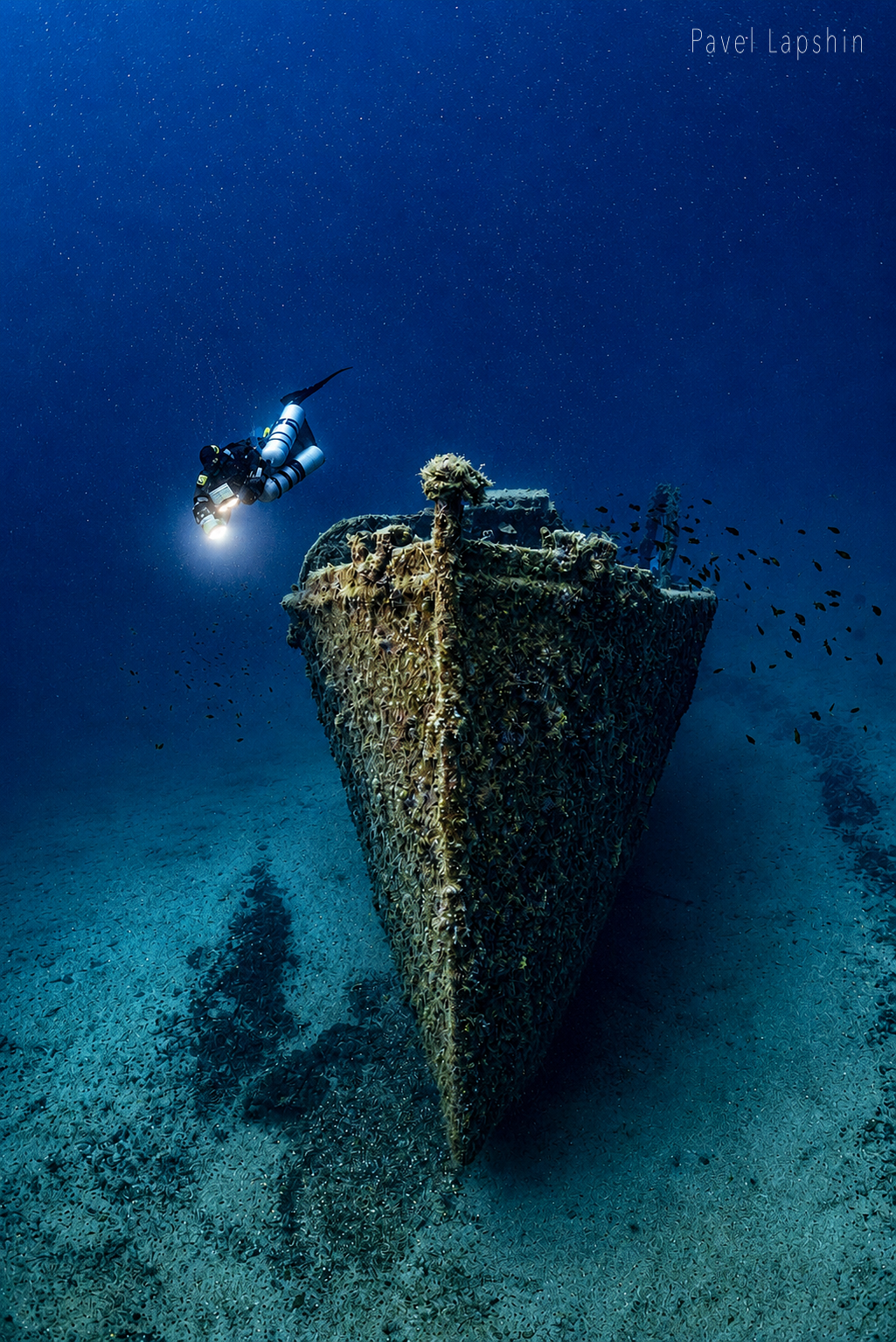
Our first dive took place on the wreck of Lundy, resting at approximately 28 meters / 98 feet.
This dive allowed the team to check equipment after the long journey, adapt to local conditions, and experience the powerful currents for which the Dardanelles are famous.
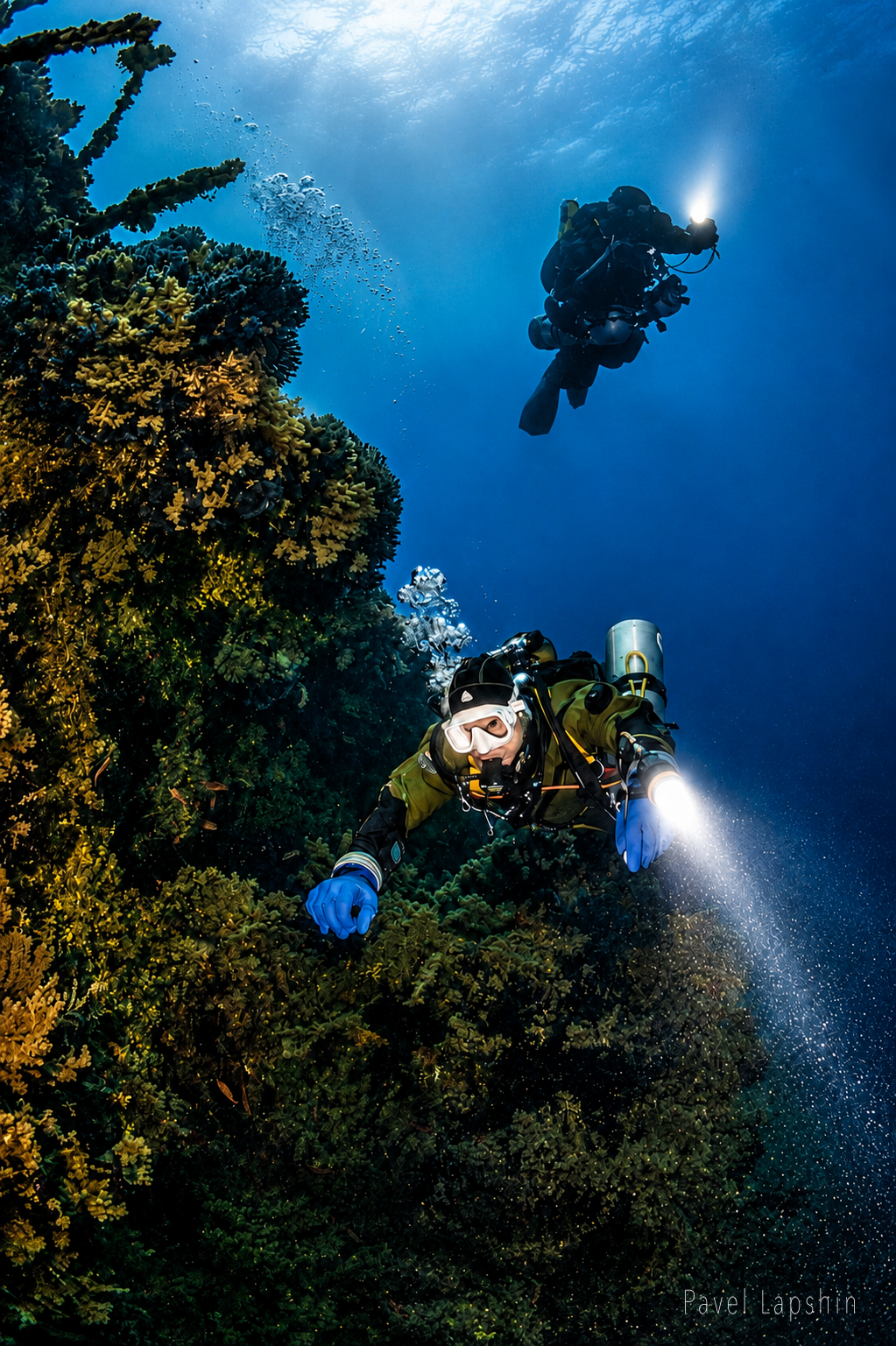
Even at this relatively modest depth, the atmosphere of history is unmistakable. Over more than a century, the wreck has transformed into an artificial reef, providing habitat for a variety of marine life.
Lundy proved to be an ideal introduction to the expedition and an important warm-up before the more demanding dives ahead.
Captain Frangos — The Transition to Technical Diving
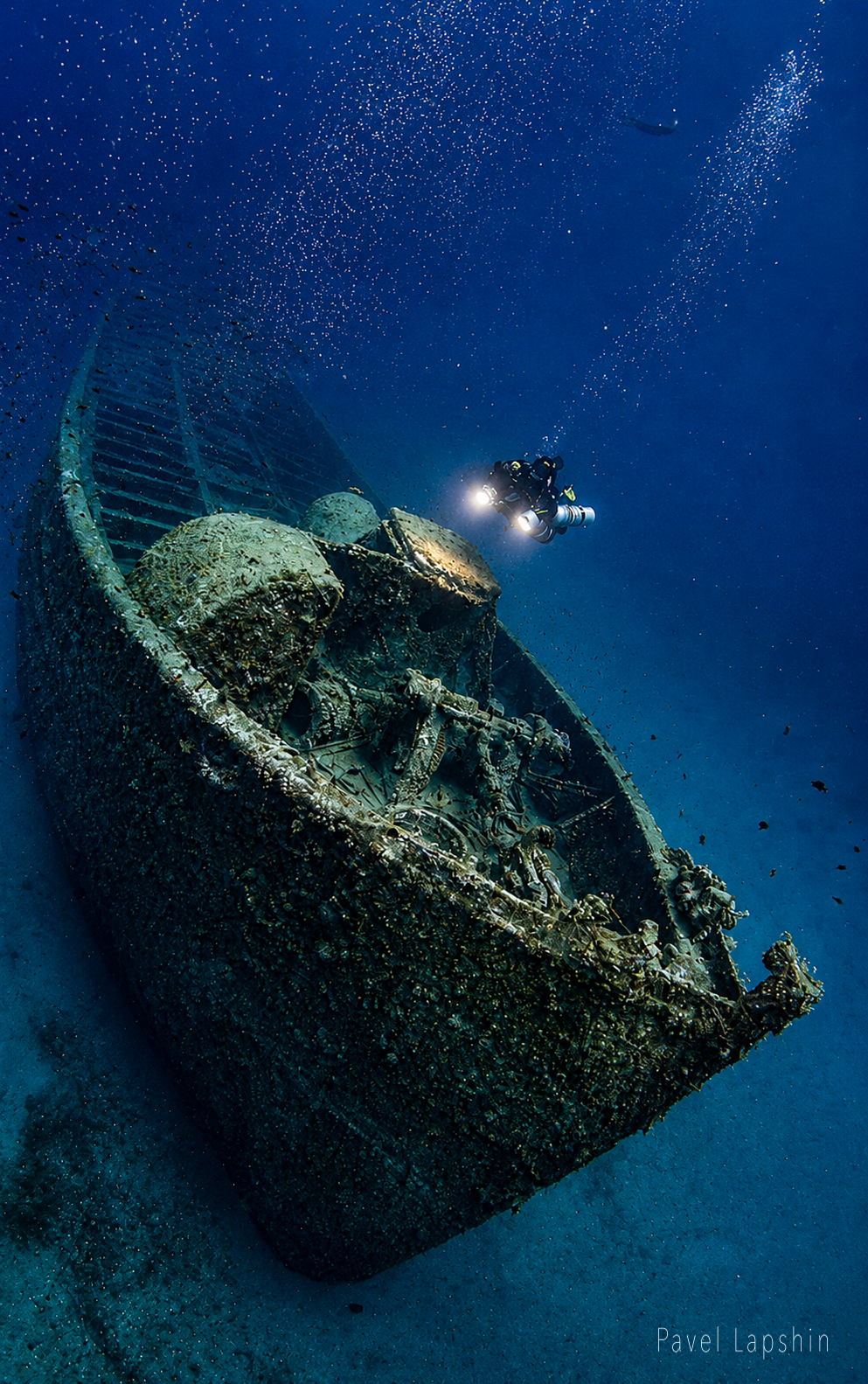
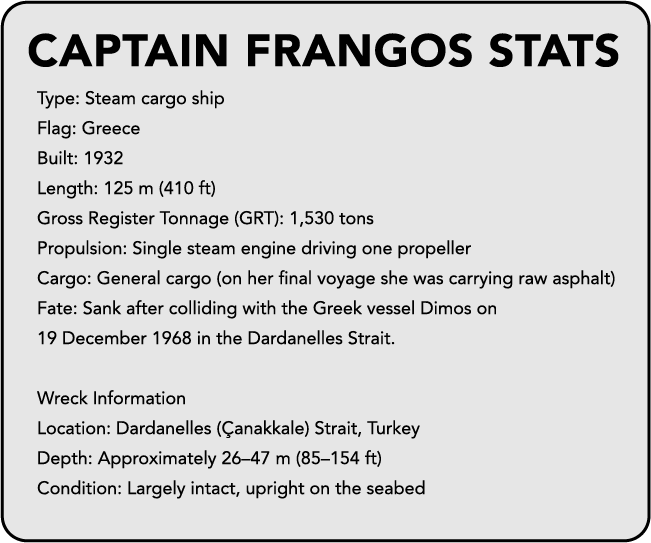
Our next objective was the cargo vessel Captain Frangos, lying at approximately 48 meters / 157 feet.
At these depths, emotions begin to give way to discipline. Dive planning, bottom time, gas management, and decompression procedures become the primary focus.
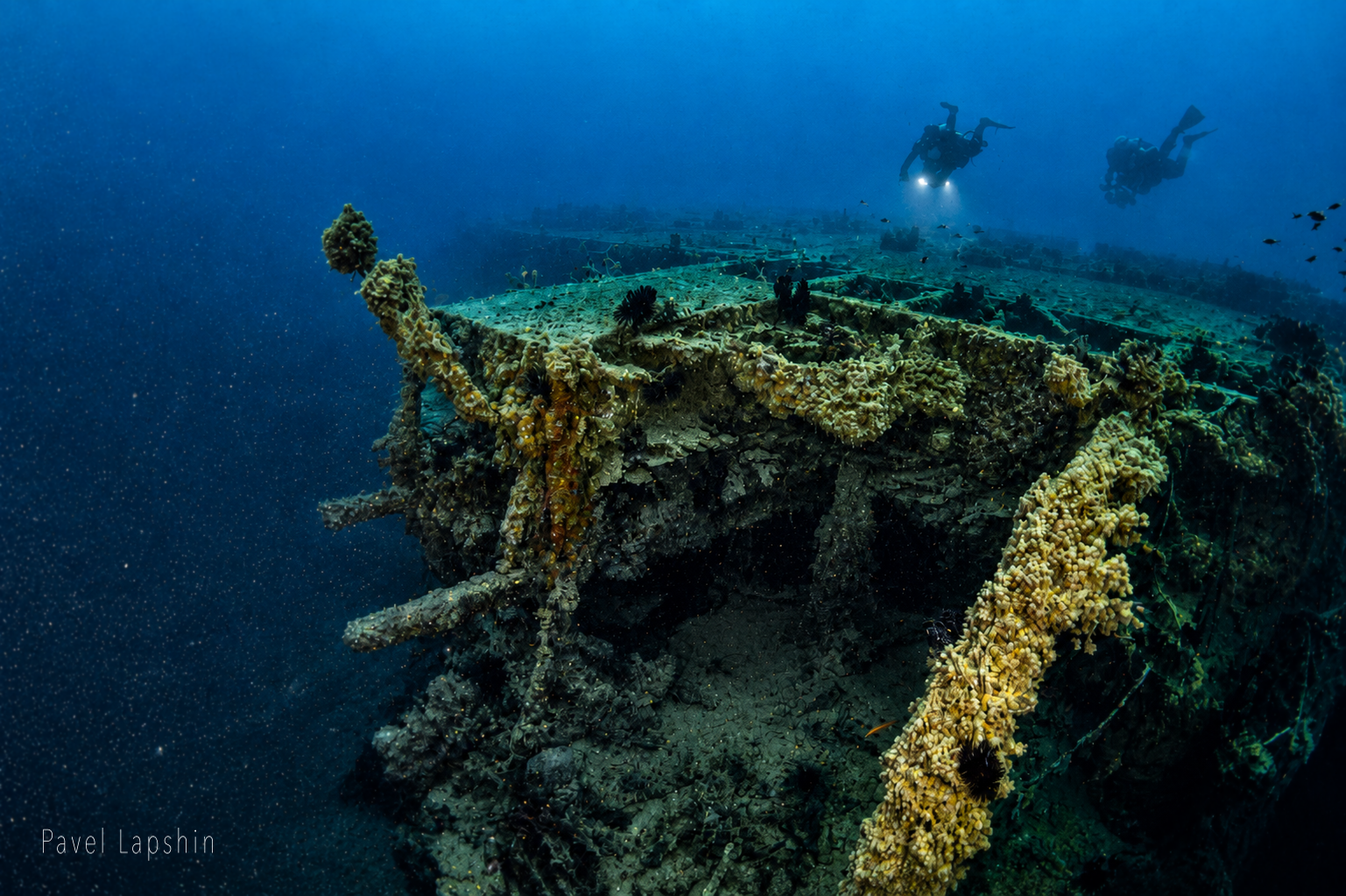
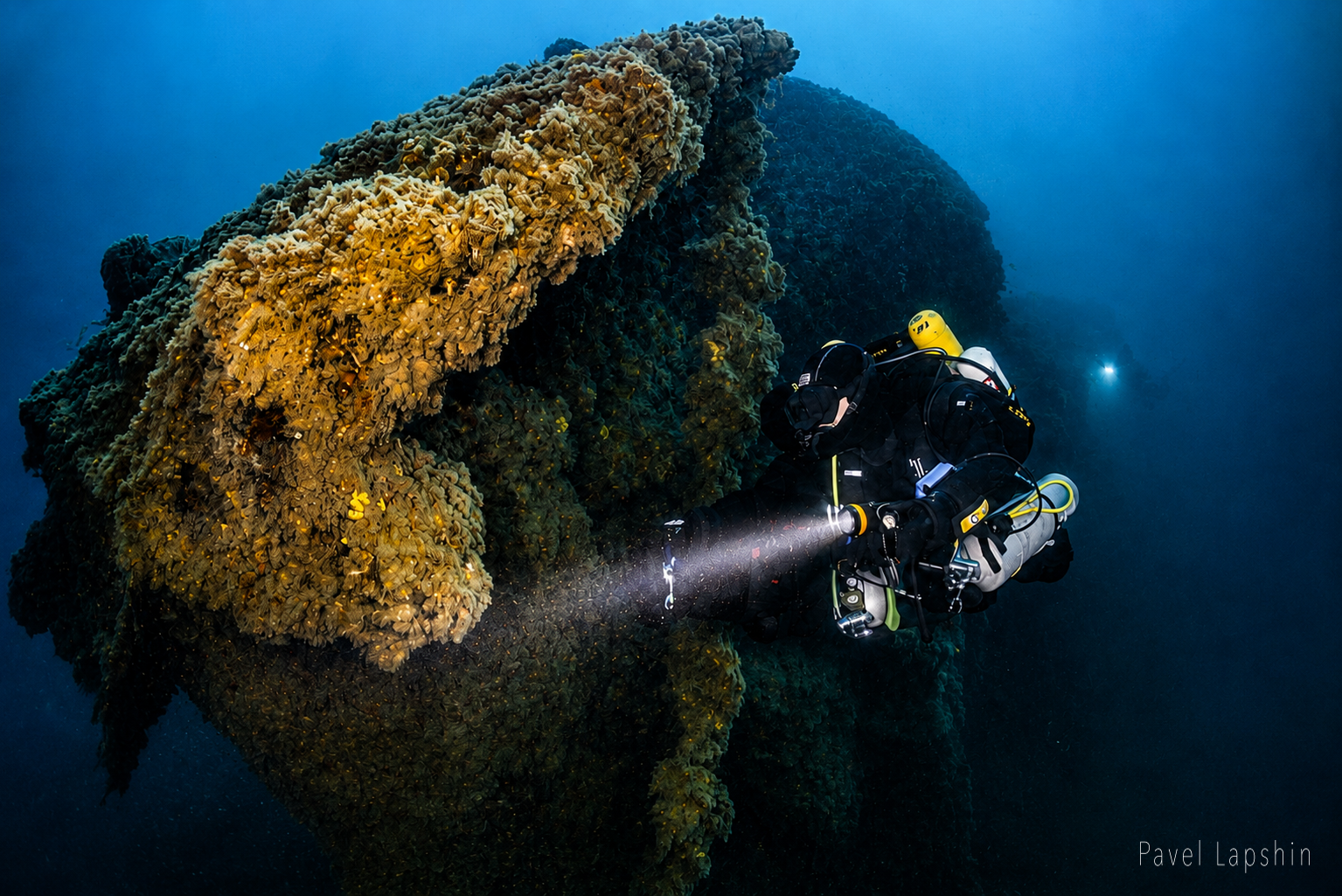
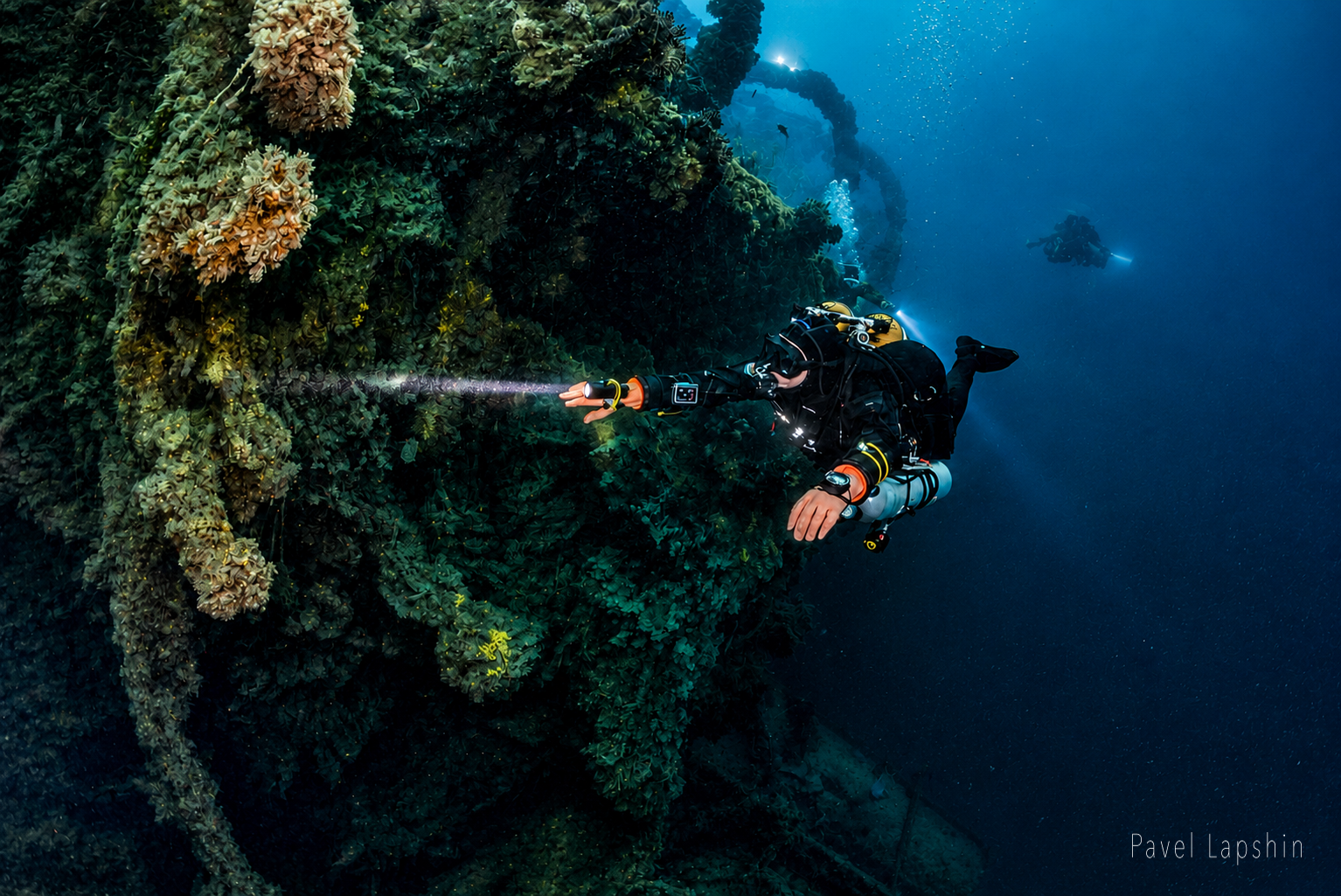
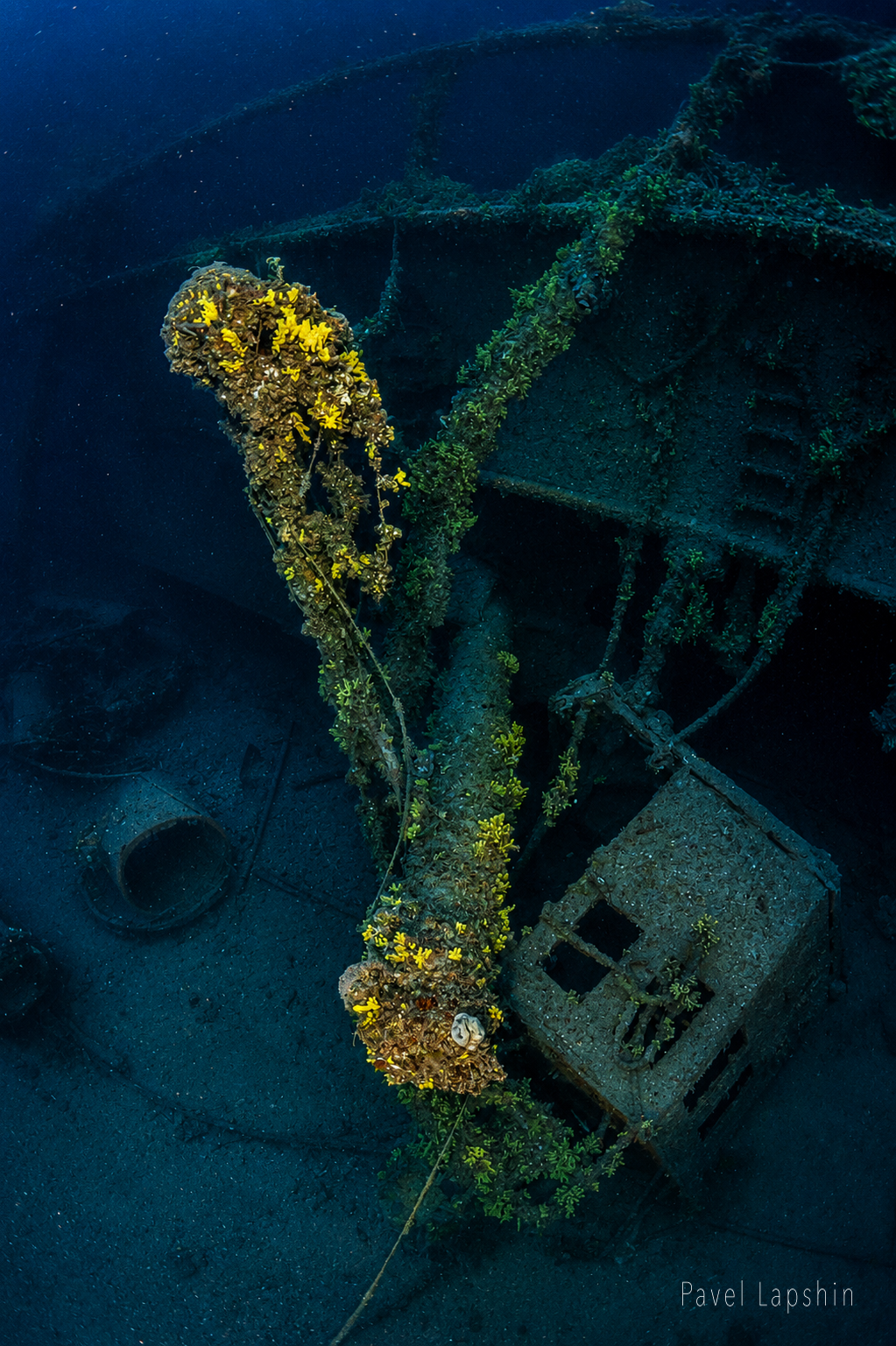
The vessel remains remarkably well-preserved. Cargo holds, structural elements, and parts of the superstructure are still clearly visible. Sunlight barely penetrates to these depths, creating an atmosphere of mystery that emphasizes the age and history of the wreck.
For the team, this dive served as an important step before moving on to the truly deep sites of the expedition.
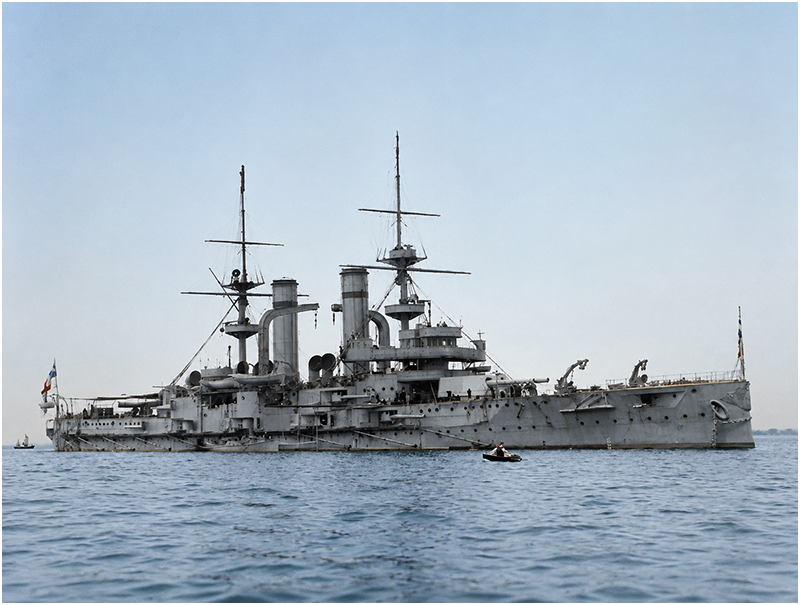
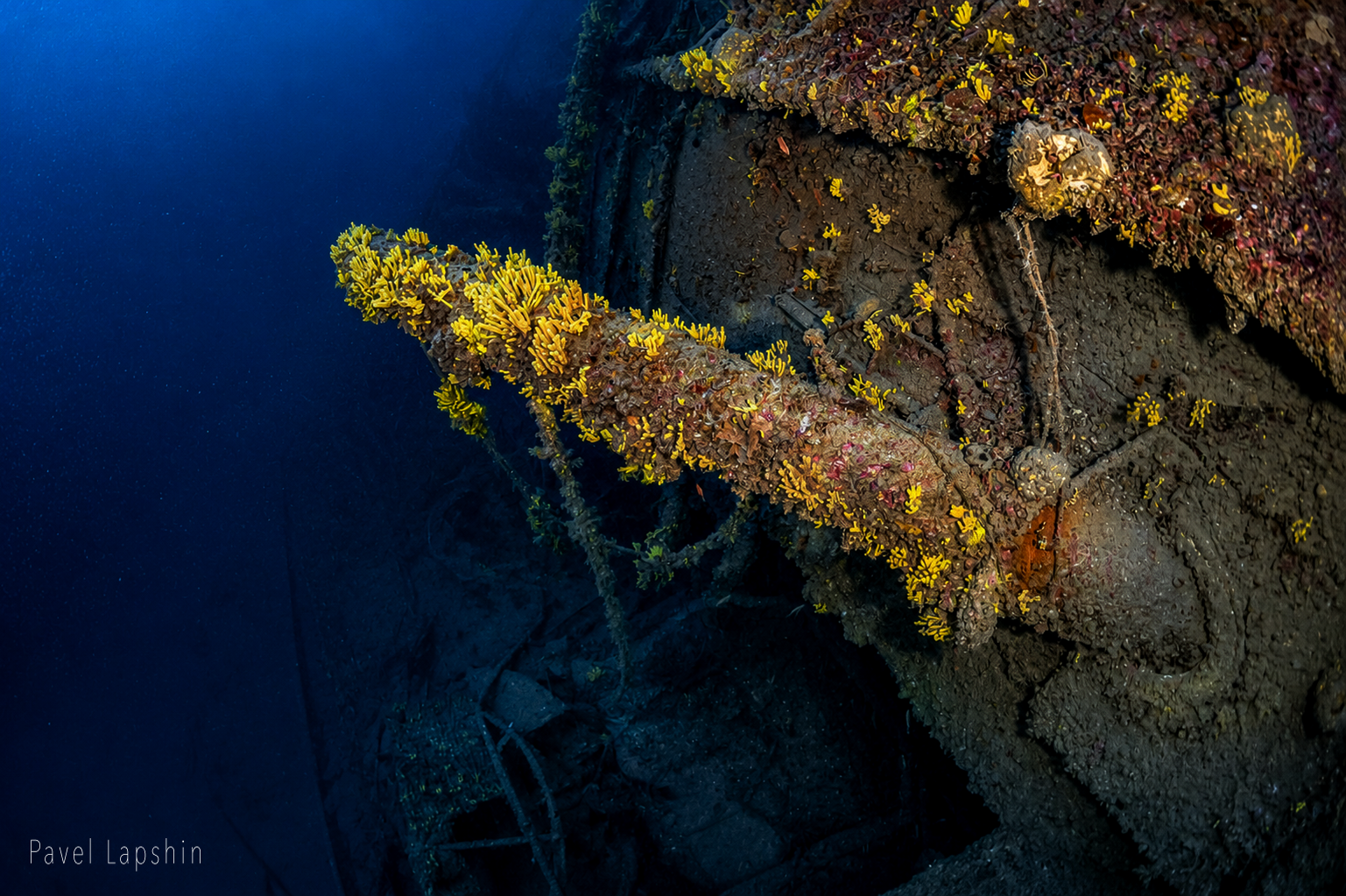
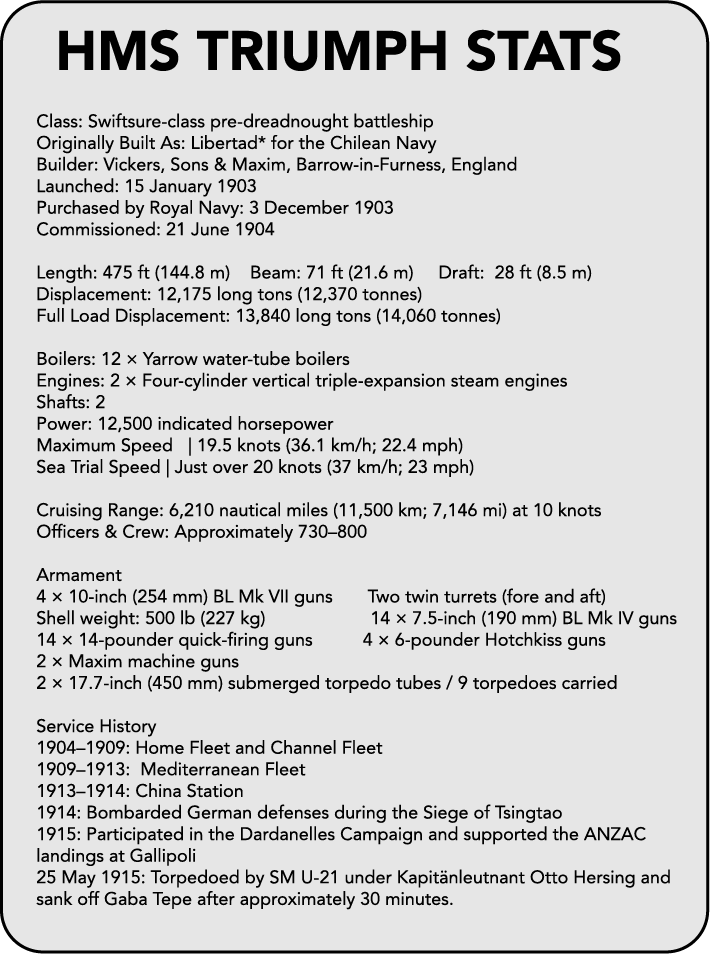
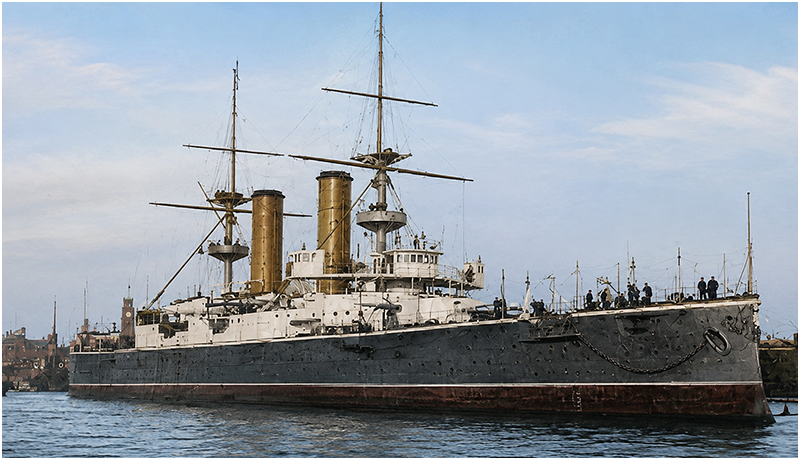
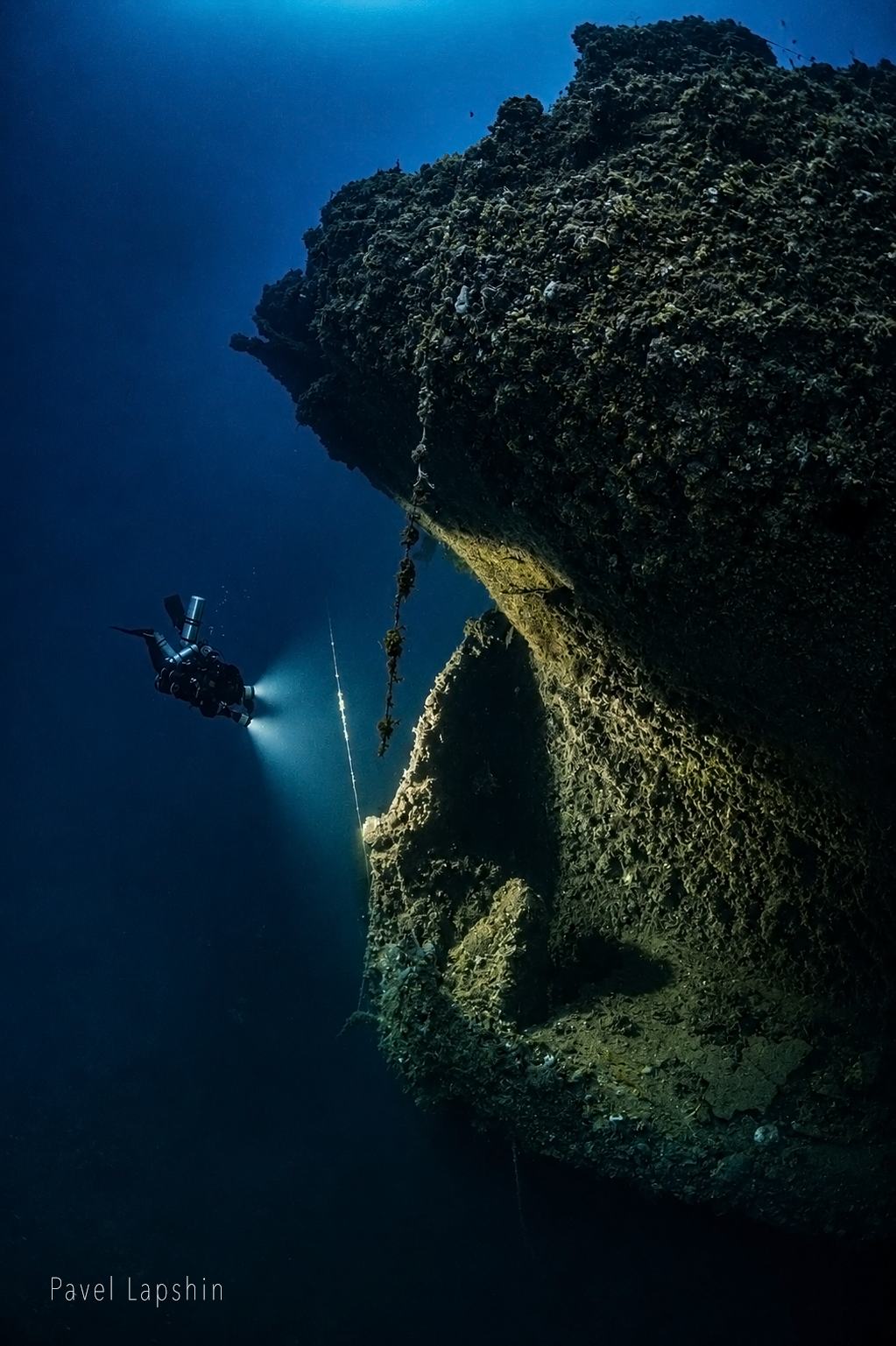
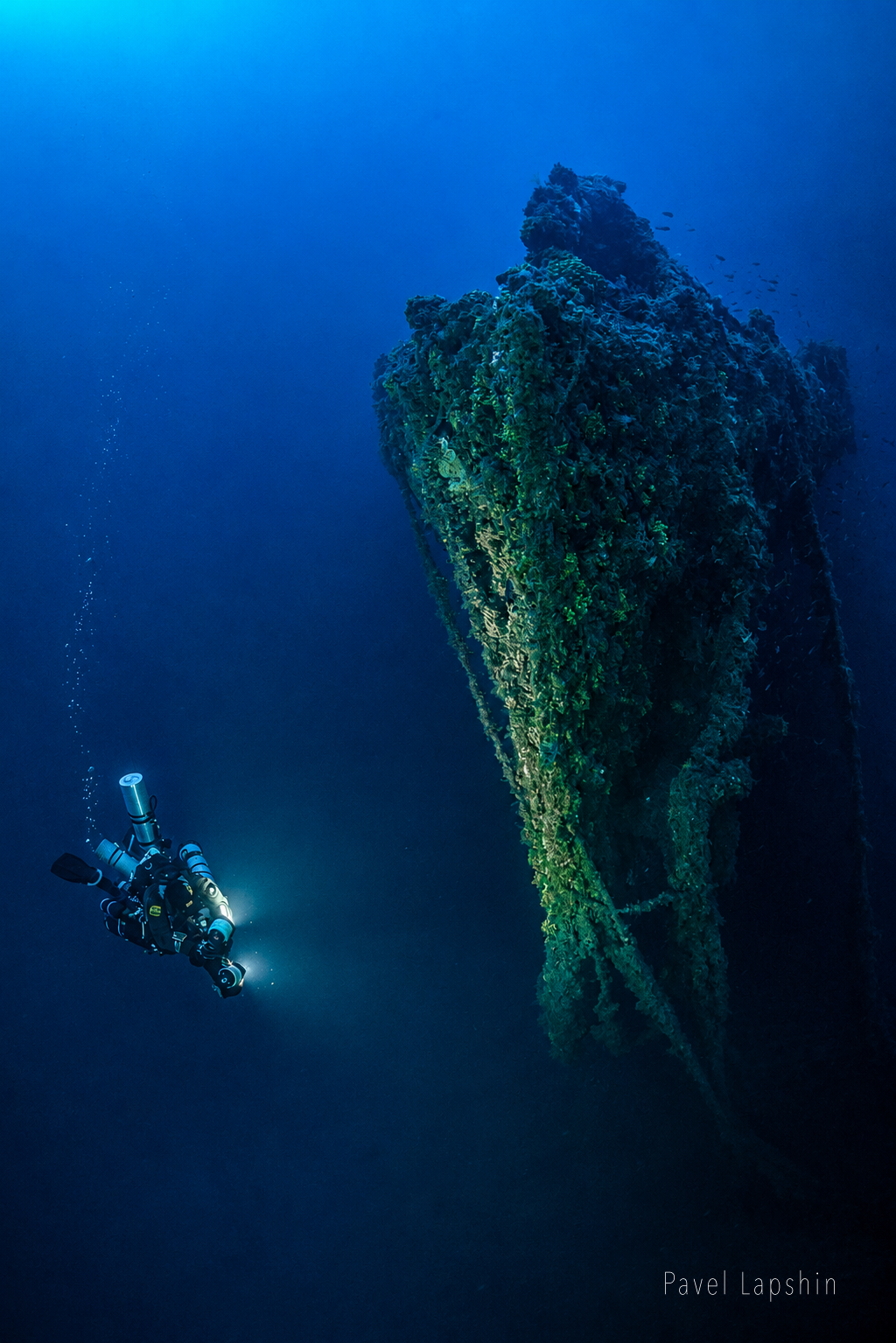
One of the highlights of the expedition was the dive on the British battleship HMS Triumph.
The wreck lies at approximately 72 meters / 236 feet and is one of the most famous military wrecks in the Dardanelles.
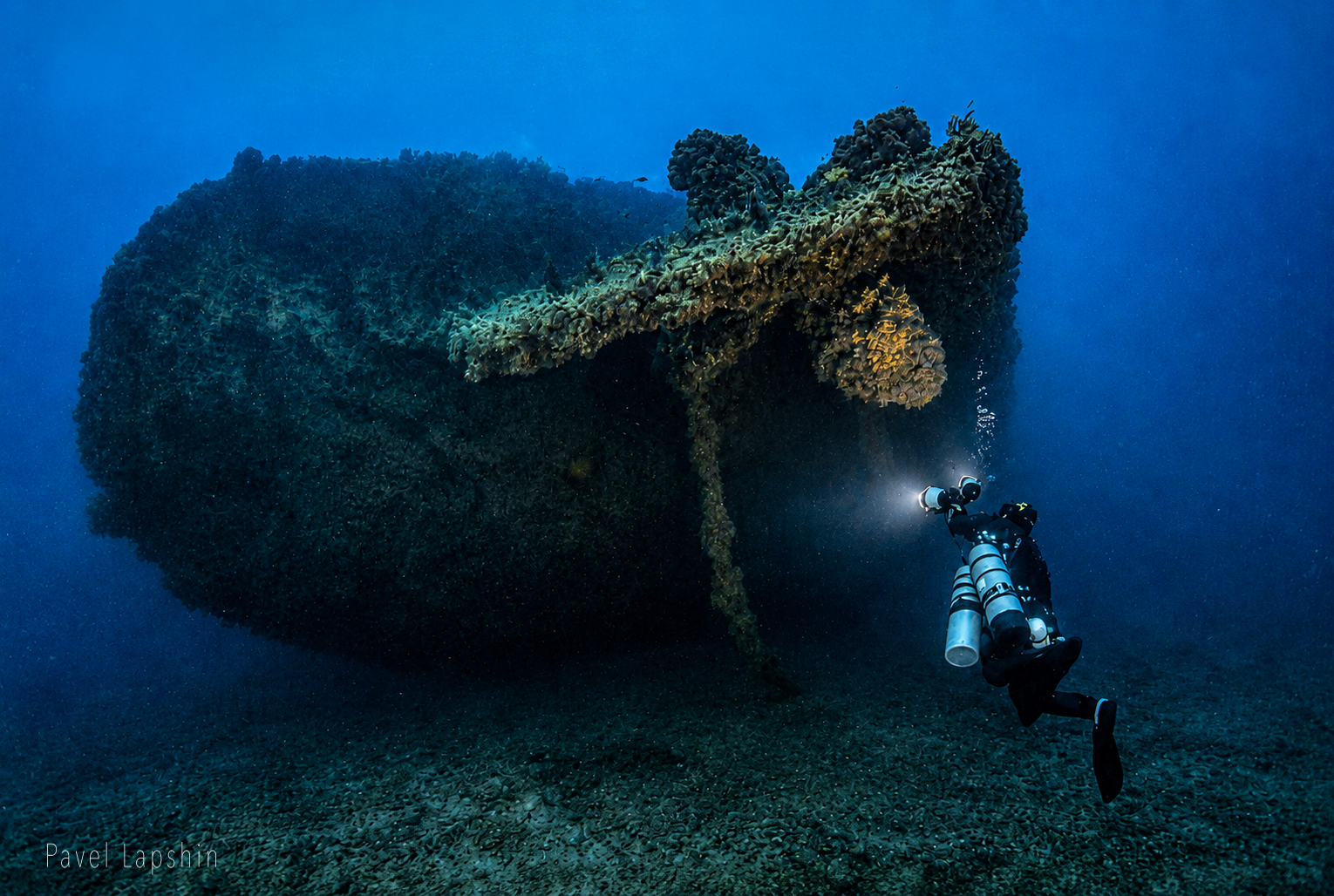
On 31 May 1915, the ship was torpedoed by the German submarine U-21 and sank with the loss of part of her crew. Today, she rests upside down on the seabed, preserving her impressive dimensions and unmistakable silhouette.
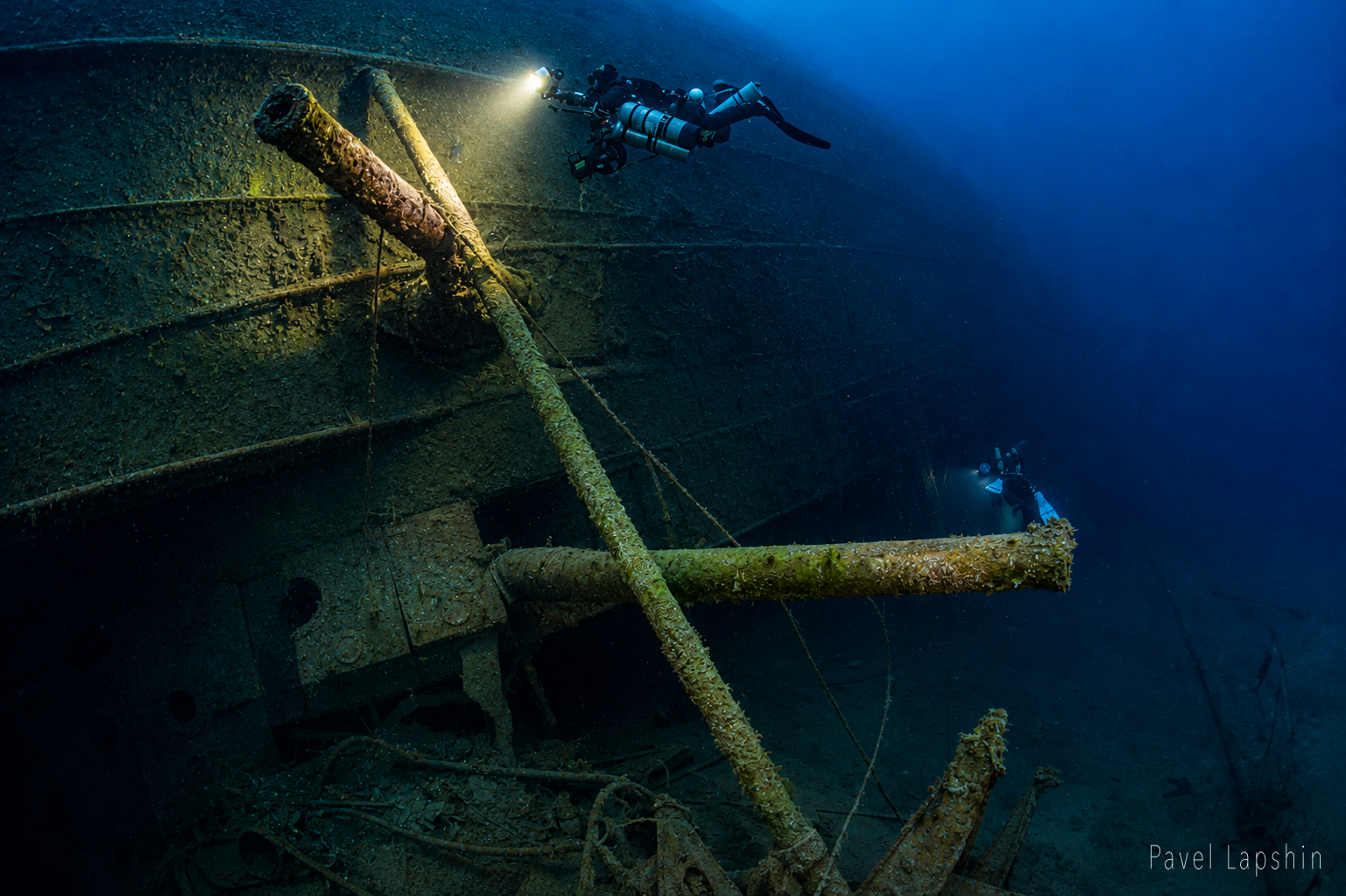
Descending toward the wreck is an unforgettable experience. The enormous hull gradually emerges from the darkness, making it difficult to believe that what lies before you is not a museum reconstruction, but an actual participant in events that took place more than a century ago.
At these depths, a few minutes of exploration is followed by a long decompression, providing ample opportunity to reflect on what has been seen.
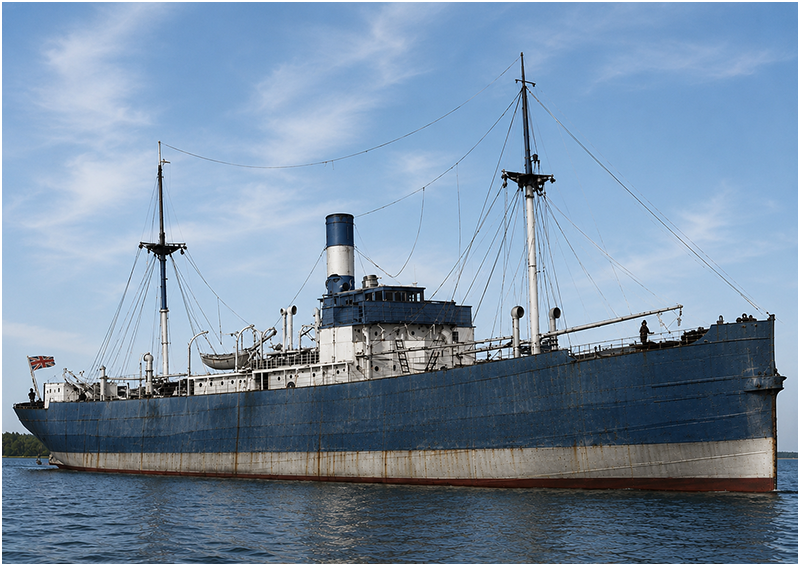
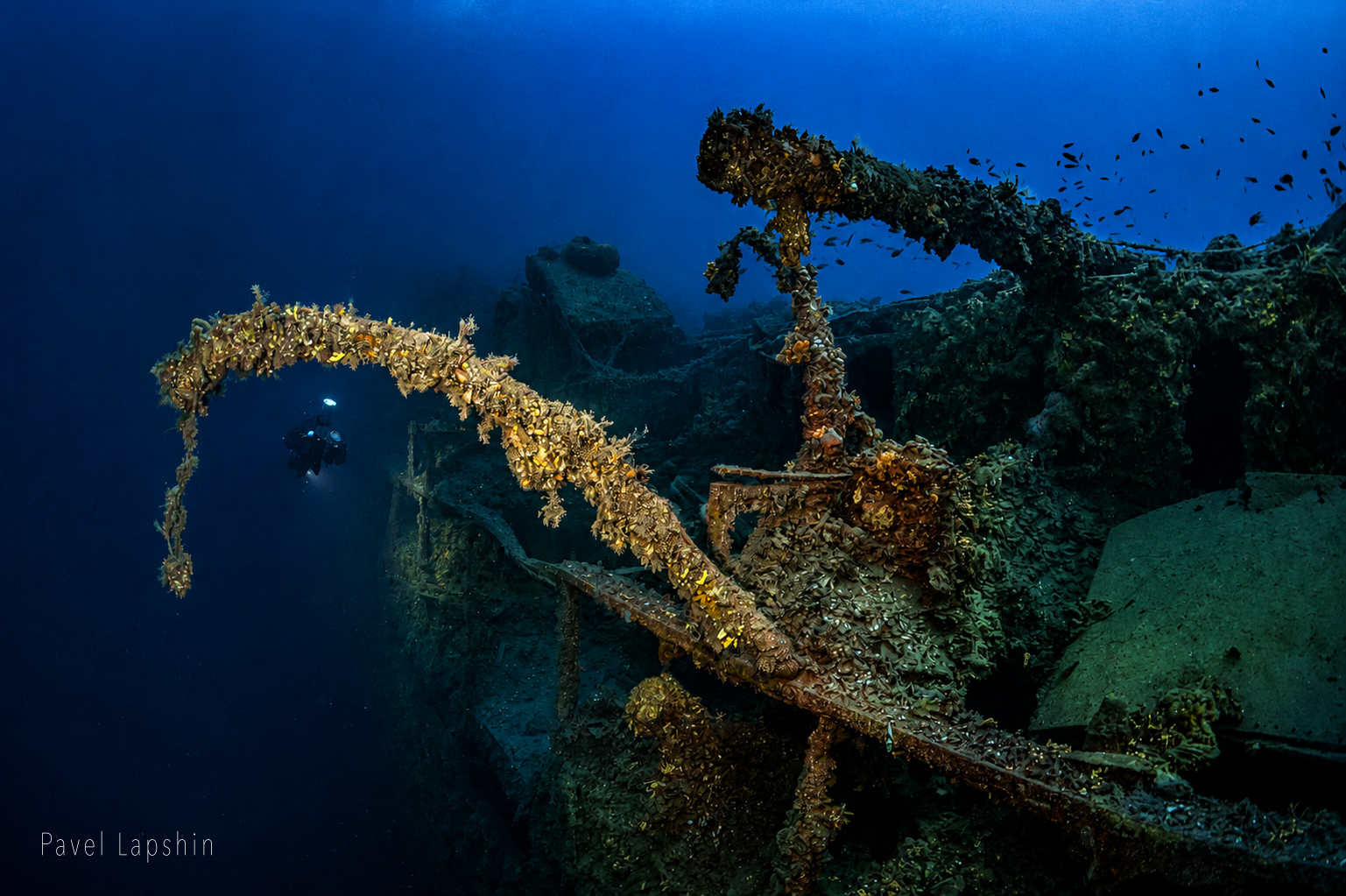
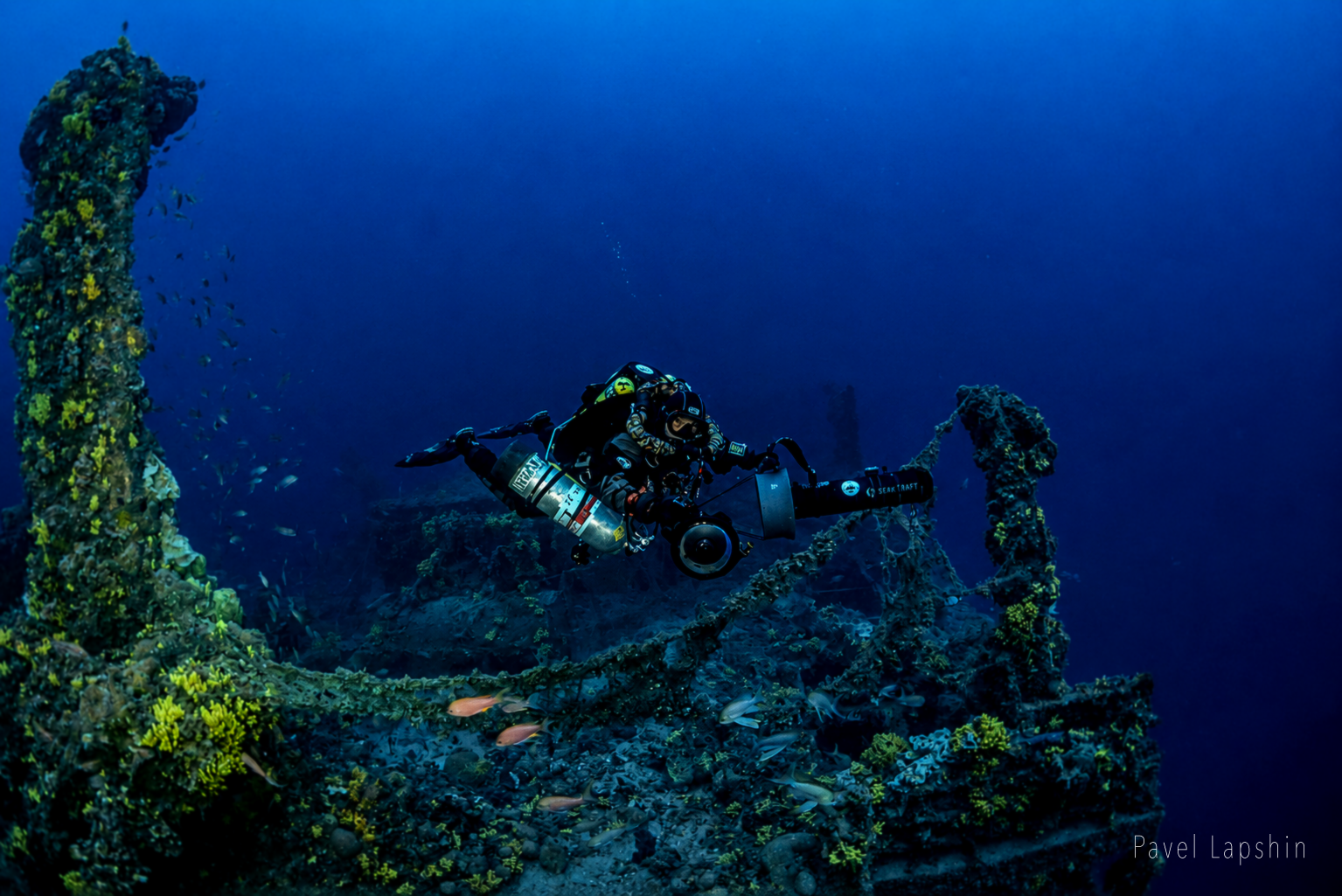
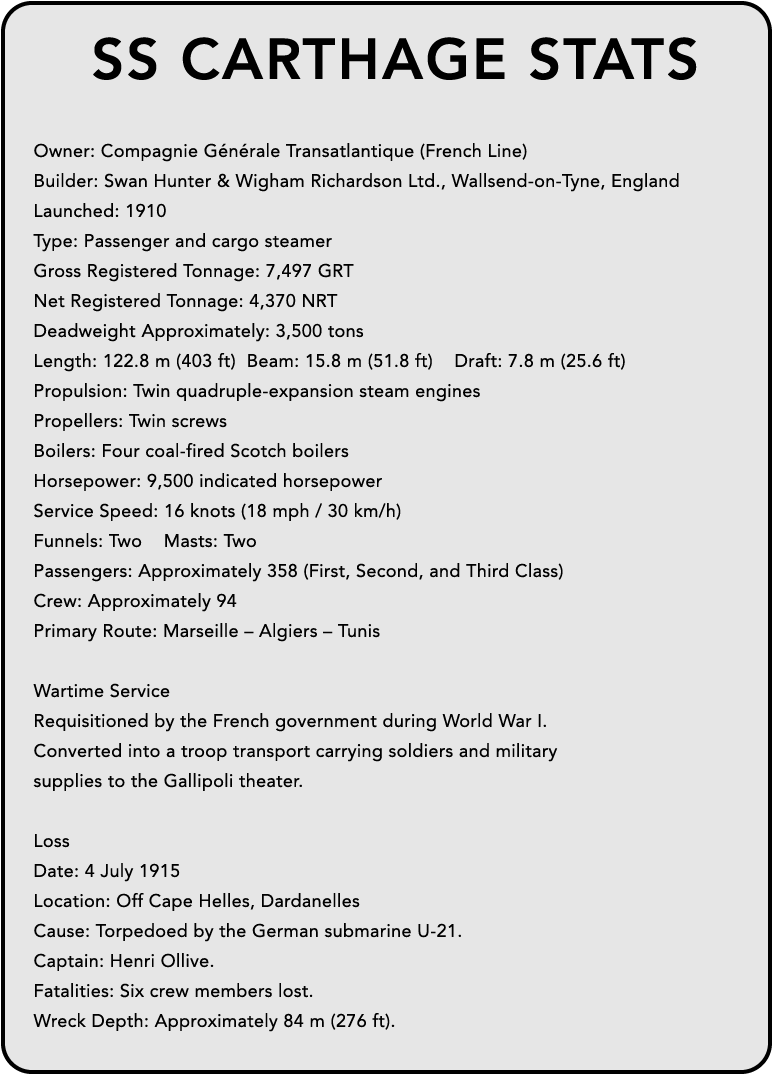
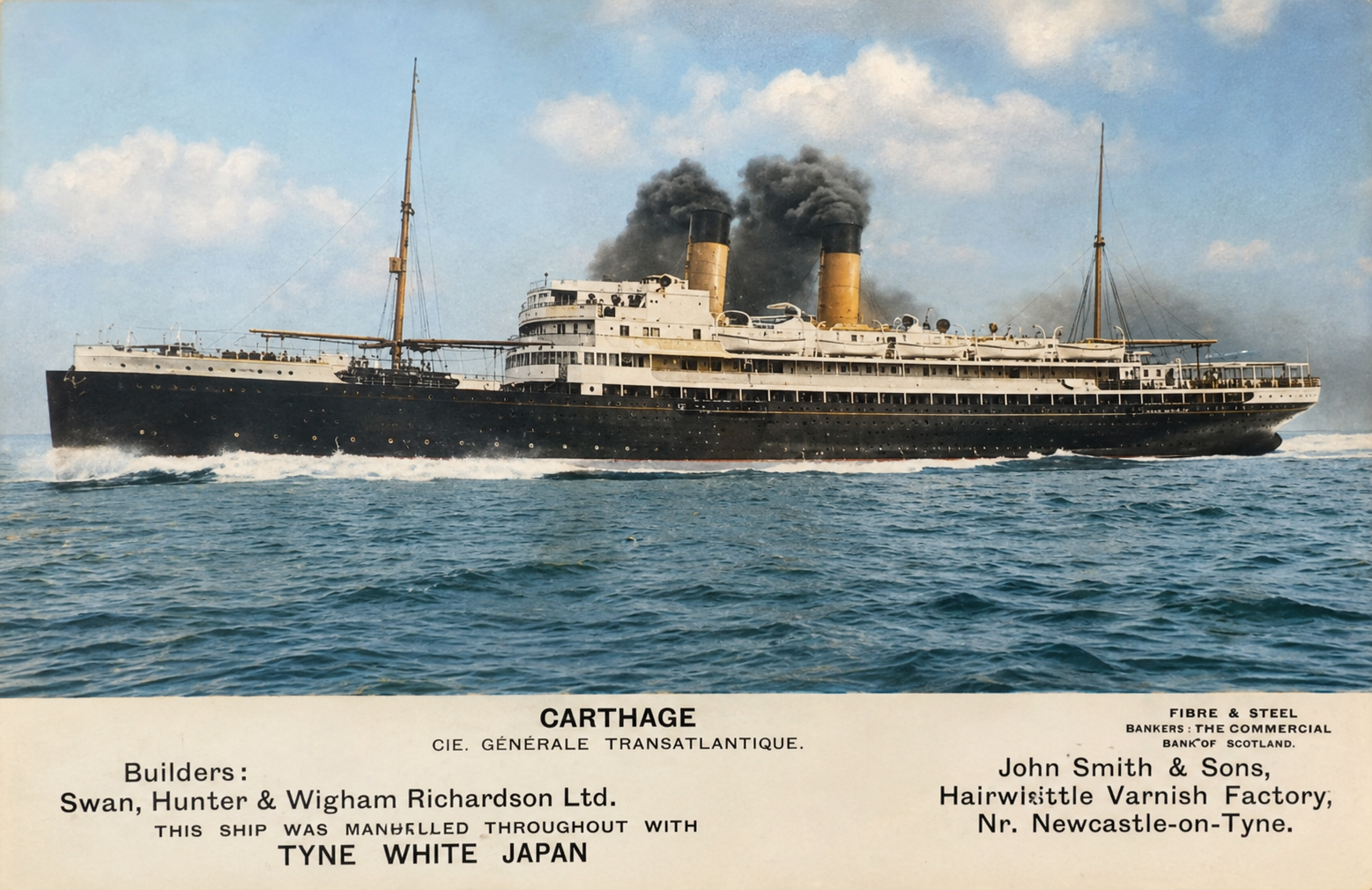
The climax of the expedition was the dive on the passenger and cargo vessel SS Carthage.
The wreck lies at approximately 84 meters / 276 feet and belongs to the category of serious technical dives that require meticulous planning and complete trust among team members.
At such depths, there is no room for chance. Every aspect of the dive—from diluent selection and bailout gases to decompression planning—must be carefully considered beforehand.
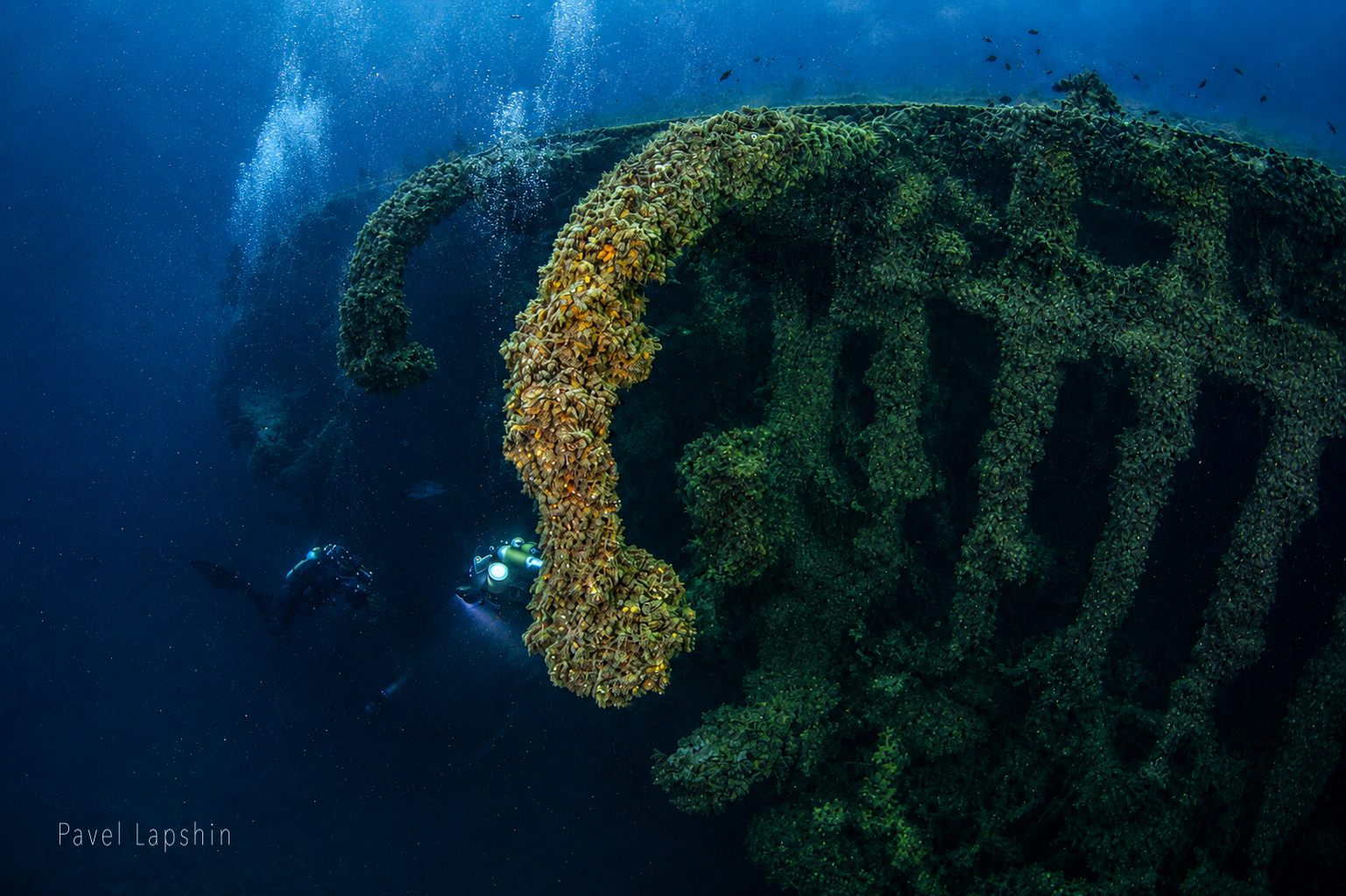
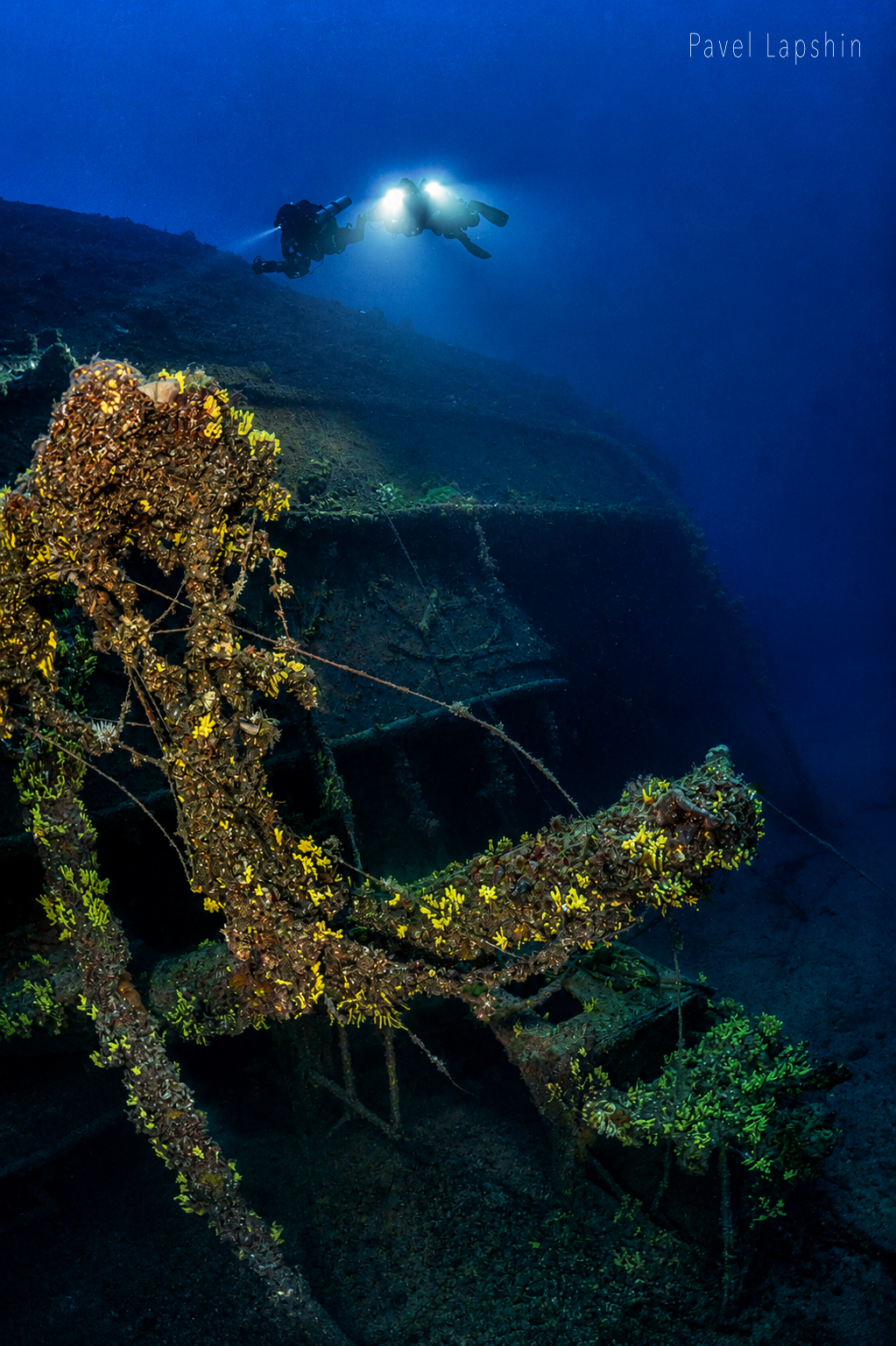
Carthage greeted us in remarkable condition. Despite the passing decades, many structural features remain clearly recognizable. The immense scale of the ship 122.8 meeters long / 403 feet becomes especially evident when compared with the silhouettes of divers illuminated by their lights.
Here, perhaps more than anywhere else, the scale of history becomes tangible. Before you lies not simply a wreck, but an entire era of maritime travel and war.
Çanakkale cannot be viewed as just another diving destination. Every dive here is a direct encounter with world history.
The Gallipoli Campaign changed the fate of nations, and its remains still rest beneath the waters of the Dardanelles. For technical divers, visiting these wrecks becomes not only a sporting achievement but also an opportunity to witness history firsthand.
Our expedition concluded successfully. Four wrecks, countless hours of preparation, complex logistics, and unforgettable dives were now behind us.
Yet what remains strongest is the feeling that beneath the waters of the Dardanelles, history continues to sleep—and that these wrecks will call us back again.
Çanakkale is a place where history begins at the surface and continues in the depths.